
-

Using a Crate as a “Reset Space” During Training Sessions
Training a dog can be a rewarding experience, but it also comes with challenges. Sometimes, your dog might become overstimulated, frustrated, or simply too distracted to focus. In these moments, pushing through the session can do more harm than good, leading to stress and confusion for both you and your…
-
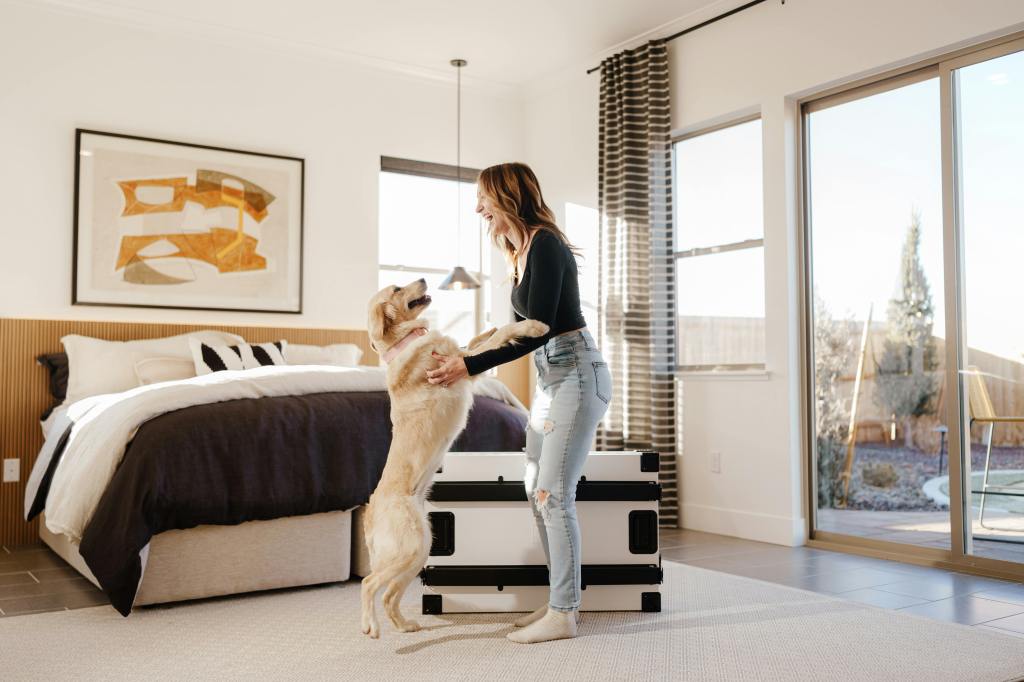
Why Crate Training is Ideal for First-Time Dog Owners
Getting a dog for the first time is an exciting journey filled with love, fun, and a bit of chaos. As a new dog owner, it’s essential to establish good habits and structure right from the start. One of the most effective and practical methods to achieve this is through…
-

How Crate Training Helps with Calm Greetings and Manners
One of the most common challenges dog owners face is managing excitable greetings and poor manners when guests arrive or when returning home. Whether it’s jumping, barking, or excessive licking, an overenthusiastic dog can make visits stressful and even intimidating for some people. The good news is that crate training…
-

The Ideal Crate Setup for Training Success
Crate training is one of the most effective methods for teaching dogs discipline, boundaries, and security. However, to truly achieve training success, it’s essential to set up the crate correctly. An improperly arranged crate can lead to stress, anxiety, and resistance, making the training process more challenging. A well-thought-out crate…
-
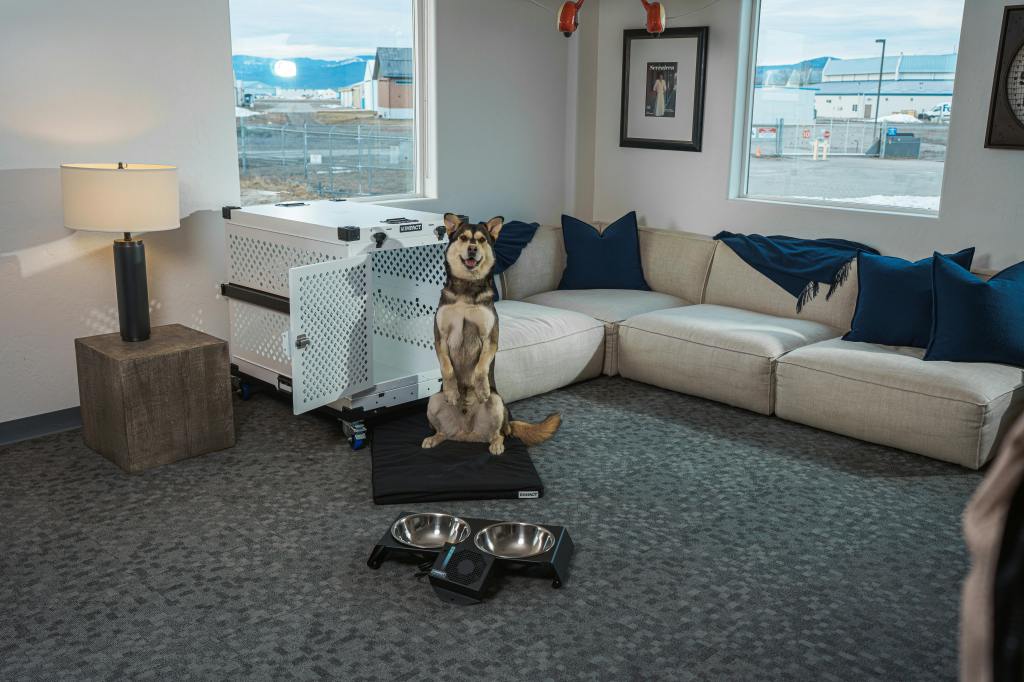
How to Crate Train Without Creating Fear or Resistance
Crate training is one of the most effective methods for teaching dogs good behavior, housebreaking, and emotional stability. However, many dog owners worry that crating might feel like punishment, leading to fear and resistance. The key to successful crate training is to approach it in a way that makes the…
-

Crate Time for Hyper Dogs: When and How to Use It
Dealing with a hyperactive dog can be overwhelming, especially when their boundless energy disrupts the household. Hyper dogs are often labeled as “high-energy” or “overstimulated”, and while their enthusiasm is admirable, it can quickly become problematic without proper management. One of the most effective strategies for calming hyper dogs is…
-

Using a Crate as a Preventative Training Tool
Crate training is often associated with housebreaking or managing separation anxiety, but its value extends far beyond these basic applications. When used correctly, a crate can be a powerful preventative training tool, helping to address and avoid a wide range of behavioral issues before they even arise. Rather than waiting…
-

The Best Crates for Daily Training and Long-Term Use
Finding the right crate is crucial for both daily training and long-term use. Whether you’re crate training a puppy, managing a hyperactive dog, or creating a safe retreat for anxious pets, the ideal crate should be durable, comfortable, and versatile. Choosing the wrong crate can lead to frustration, damage, and…
-

How Crating Supports Positive Potty Habits
Housebreaking a dog can be a challenging and sometimes frustrating process, but it’s also one of the most important aspects of responsible pet ownership. Whether you’re dealing with a new puppy or an adult dog that hasn’t mastered potty training, crate training is one of the most effective methods to…
-
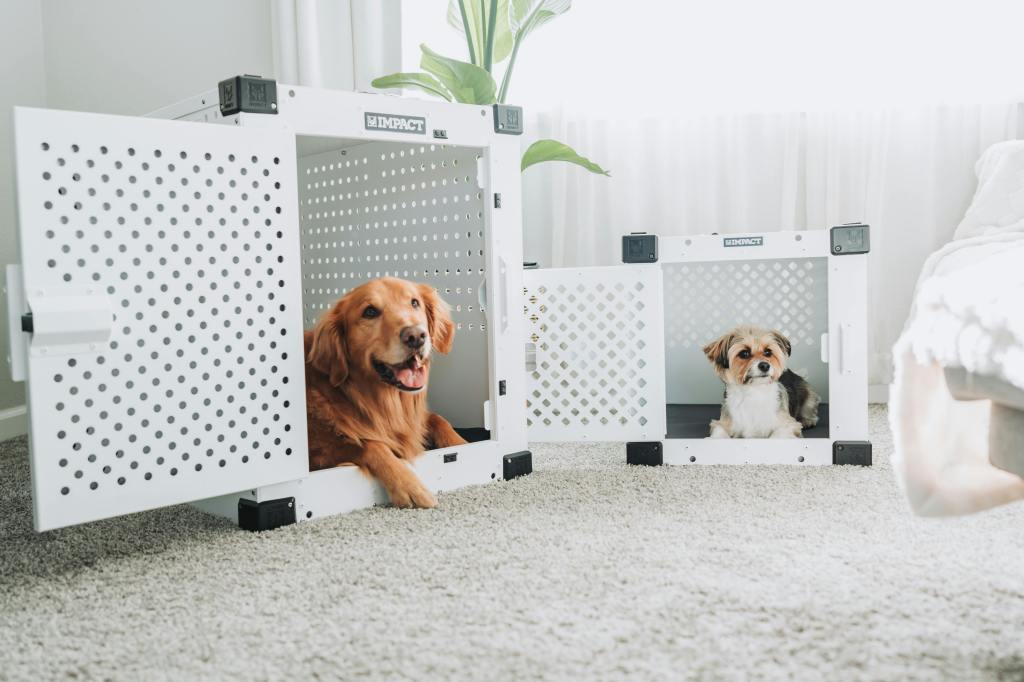
Crating to Prevent Jumping, Barking, and Overexcitement
Dealing with a dog that exhibits jumping, barking, and overexcitement can be exhausting, especially when it becomes a consistent issue. Whether it’s greeting guests, reacting to sounds, or simply being overly enthusiastic, these behaviors can disrupt your household and make social situations stressful. Fortunately, crate training is an effective tool…
Train Your Dog with Confidence
At Top Dog Training Tips, we make training simple, effective, and fun. Whether you’re teaching basic commands, solving behavioral issues, or strengthening your bond, our expert-backed guidance gives you the tools to succeed. Start training smarter today!
1. Basic Obedience & Commands
Master essential cues like sit, stay, come, and leash manners to improve communication and build a strong foundation for your dog’s training.
2. Behavioral Solutions & Anxiety
Address common issues such as barking, jumping, leash pulling, and anxiety with expert-backed strategies for a well-behaved and confident pup.
3.Advanced Training & Enrichment
Take training to the next level with fun challenges, agility exercises, and mental stimulation activities to keep your dog engaged and happy.
 Top Dog Training Tips