
-
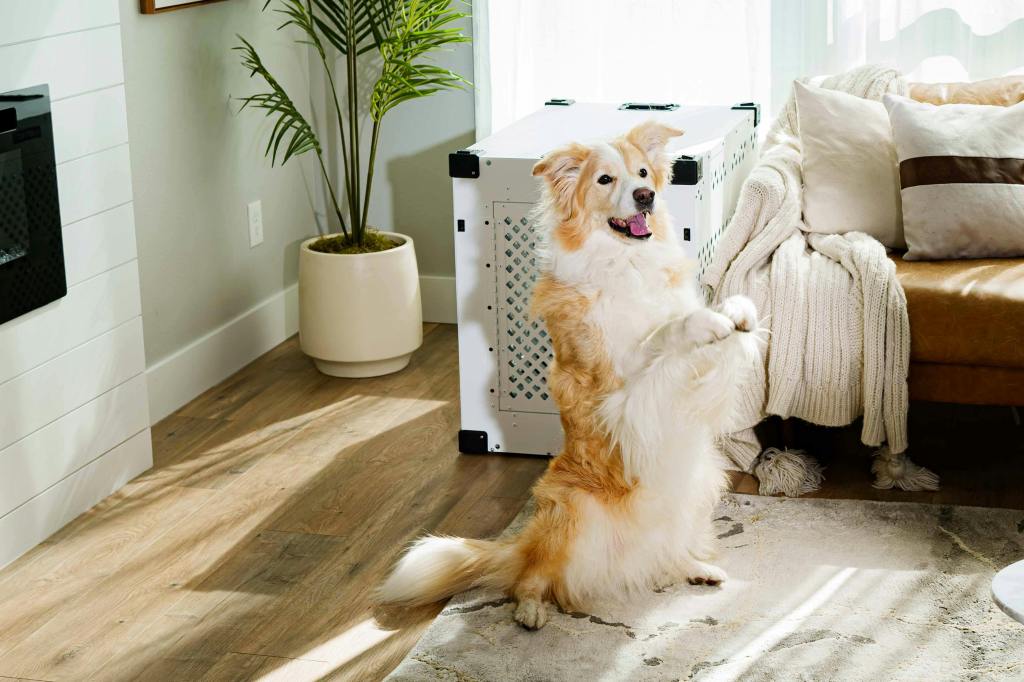
How Crate Training Builds Structure and Predictability
Crate training is more than just a convenient way to housebreak a dog—it’s a foundational tool that helps establish structure and predictability in your dog’s life. Dogs thrive on routine and consistency, and crate training is one of the most effective ways to provide that sense of security and stability.…
-
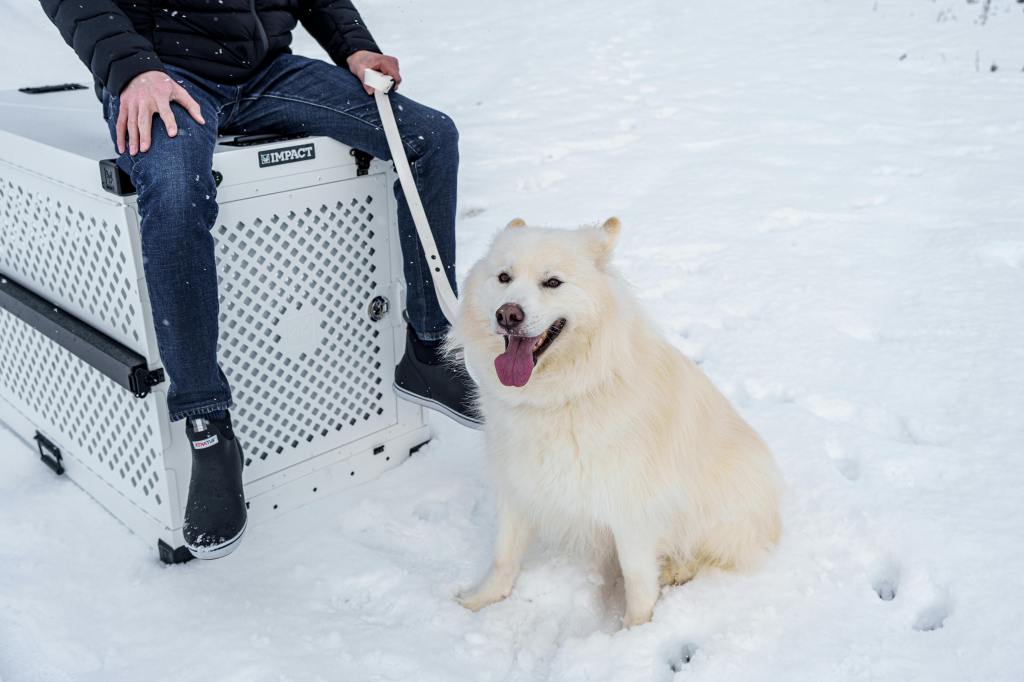
Building Your Dog’s Confidence Through Crate Training
Building confidence in your dog is essential for their emotional well-being and behavioral stability. Dogs that lack confidence often display signs of anxiety, fearfulness, and uncertainty, which can lead to behavioral challenges such as barking, whining, and avoidance. One of the most effective methods to boost your dog’s confidence is…
-
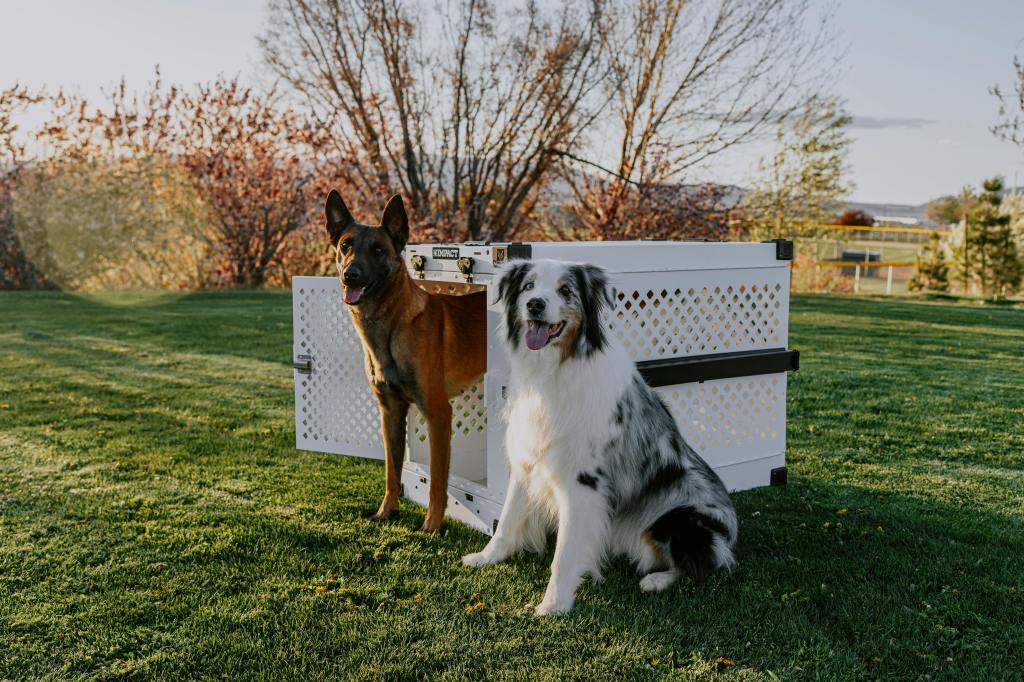
Using Crates to Train Calm Alone Time
One of the most common challenges dog owners face is teaching their dogs to be calm and content when left alone. Whether it’s during work hours or short errands, leaving your dog alone can trigger anxiety, destructive behavior, or excessive barking. One of the most effective ways to address these…
-
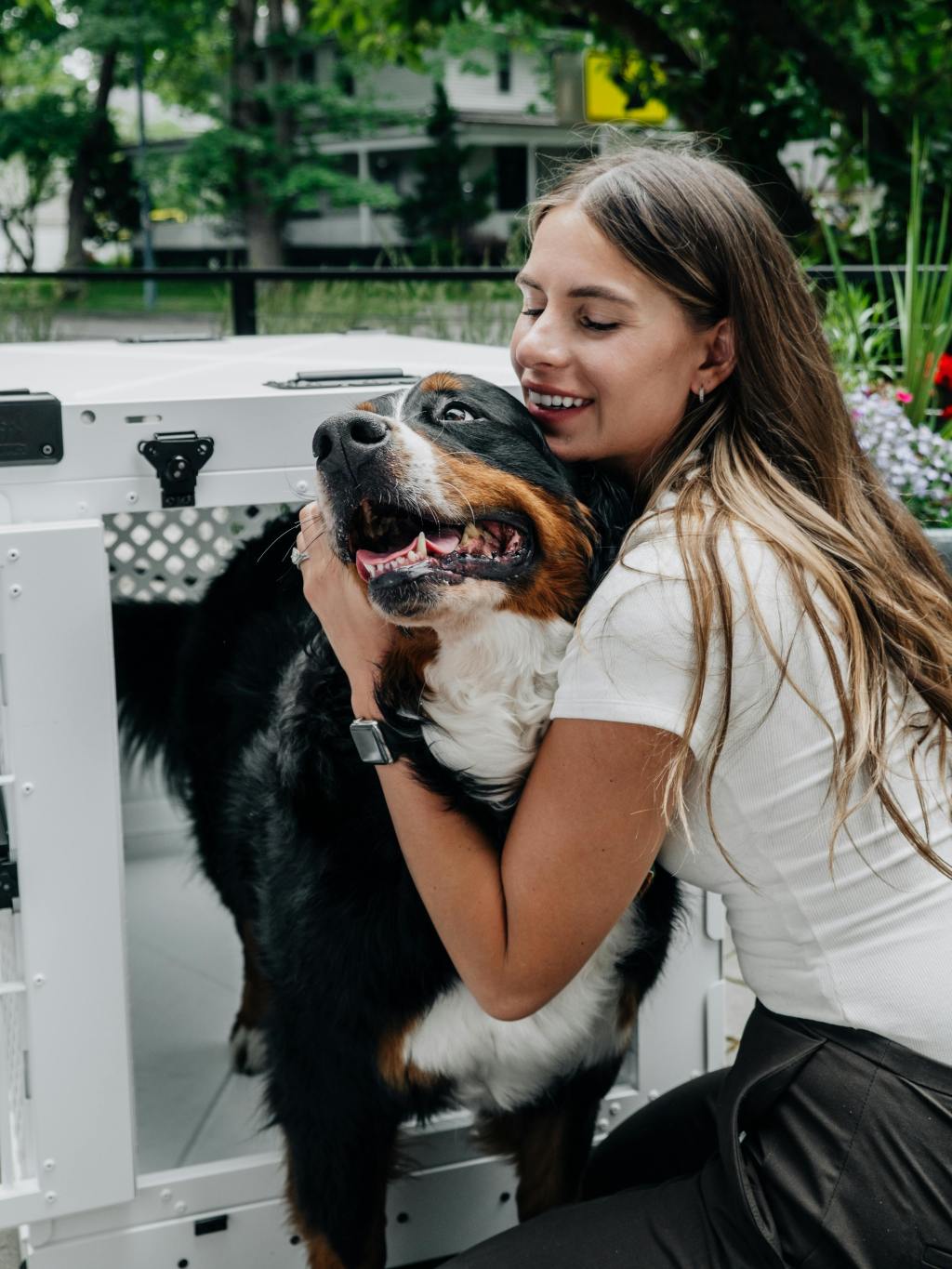
Crate Training as a Foundation for Reliable Recall
Training your dog to reliably come when called—known as recall training—is one of the most important skills for their safety and your peace of mind. Whether you’re at the park, hiking on a trail, or simply enjoying some off-leash time, having a dog that responds promptly to your call is…
-

How Crating Teaches Dogs to Self-Soothe
Dogs, just like humans, need to learn how to self-soothe. When faced with anxiety, stress, or overstimulation, self-soothing allows dogs to calm down on their own without constant human intervention. One of the most effective ways to develop this essential skill is through crate training. Crate training not only provides…
-
Step-by-Step: Teaching Your Dog to Enter the Crate on Command
Crate training is an invaluable skill for any dog, providing safety, structure, and a sense of security. One of the most useful aspects of crate training is teaching your dog to enter the crate on command. This skill makes managing your dog much easier, especially when guests arrive, during travel,…
-
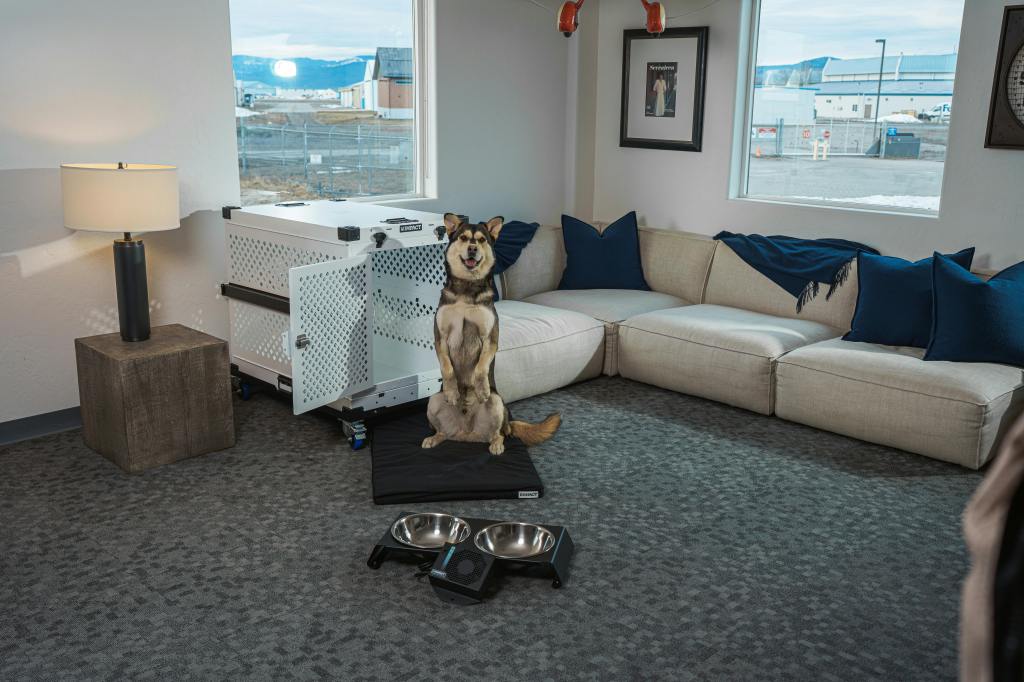
What to Do If Your Dog Resists Crate Training
Crate training can be a game-changer when it comes to creating a safe and structured environment for your dog. However, not every dog takes to crate training right away. Some dogs may resist entering the crate, whine when confined, or exhibit signs of stress and anxiety. While this can be…
-

Troubleshooting Common Crate Training Challenges
Crate training can be an invaluable tool for both puppies and adult dogs. When done correctly, it provides a safe and comfortable space for your furry friend while giving you peace of mind knowing they are secure. However, like any training process, crate training is not without its challenges. Fortunately,…
-

Why Trainers Recommend Crate Use During the Puppy Phase
The puppy phase is an exciting yet challenging time for dog owners. Puppies are full of energy, curiosity, and a natural inclination to explore everything around them. While this is a crucial time for bonding and training, it’s also when many common behavior issues arise. That’s why professional trainers consistently…
-

Building Crate Time Into a Balanced Daily Routine
Establishing a daily routine for your dog is one of the most effective ways to foster a calm, well-adjusted companion. Among the most valuable tools for creating structure is the dog crate. When used properly, a crate becomes more than just a containment tool—it turns into a trusted space where…
Train Your Dog with Confidence
At Top Dog Training Tips, we make training simple, effective, and fun. Whether you’re teaching basic commands, solving behavioral issues, or strengthening your bond, our expert-backed guidance gives you the tools to succeed. Start training smarter today!
1. Basic Obedience & Commands
Master essential cues like sit, stay, come, and leash manners to improve communication and build a strong foundation for your dog’s training.
2. Behavioral Solutions & Anxiety
Address common issues such as barking, jumping, leash pulling, and anxiety with expert-backed strategies for a well-behaved and confident pup.
3.Advanced Training & Enrichment
Take training to the next level with fun challenges, agility exercises, and mental stimulation activities to keep your dog engaged and happy.
 Top Dog Training Tips