
-

Why Trainers Use Crates to Teach Emotional Regulation
Emotional regulation is the ability for a dog to manage excitement, frustration, anxiety, or fear in a healthy and controlled way. It’s a cornerstone of successful behavior, especially in dynamic environments like homes, public places, or training settings. One of the most effective tools used by professional trainers to build…
-

The Best Training Toys to Use Inside the Crate
Crate training is an essential part of dog ownership, helping to establish boundaries, reduce anxiety, and create a safe space for your furry friend. However, simply putting your dog in a crate without providing any mental stimulation can lead to boredom, frustration, and even destructive behavior. That’s why incorporating the…
-

Why Crate Training Should Be the First Step in Dog Training
Training a dog can seem like a daunting task, especially for new owners. With so many training methods available, it’s easy to feel overwhelmed by where to start. However, seasoned trainers and veterinarians alike agree that crate training should be the first step in any comprehensive dog training program. Crate…
-
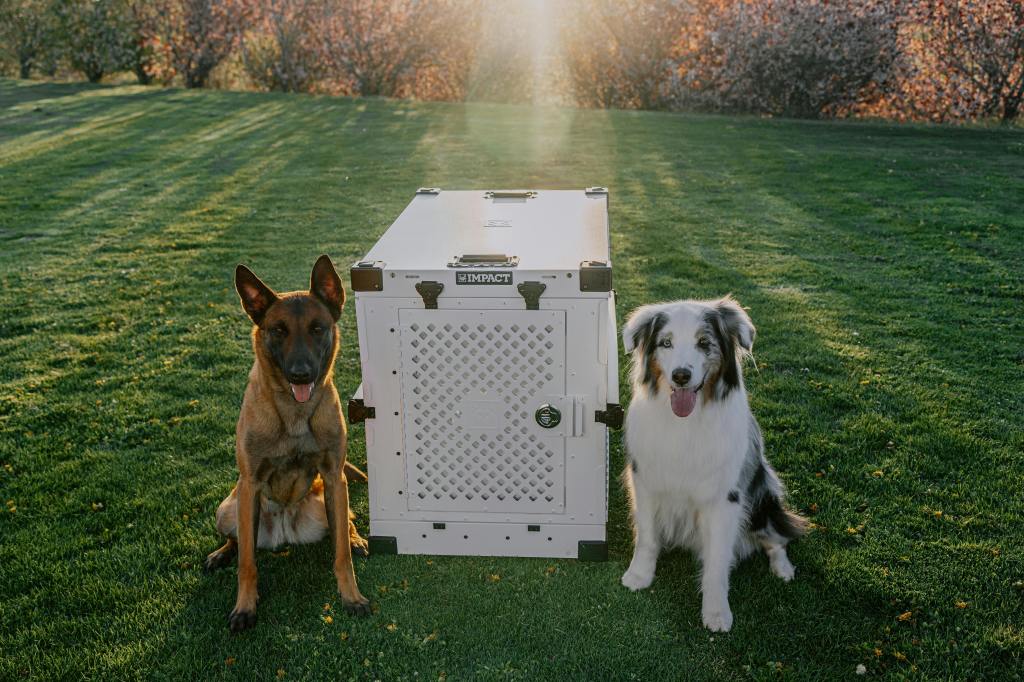
How to Use Crate Time as a Positive Reinforcement Tool
Crate training is often associated with housebreaking or confinement, but it can also be an incredibly effective positive reinforcement tool. When used correctly, crate time becomes more than just containment—it becomes a rewarding and comforting experience that promotes good behavior and emotional balance. Many dog owners struggle to make crate…
-

The Role of Crate Training in Advanced Obedience Work
Crate training is often associated with puppy training or housebreaking, but its value goes far beyond the basics. When properly utilized, crate training becomes an indispensable tool for advanced obedience work, laying the foundation for discipline, focus, and mental stability. Whether training a pet for competitive obedience, therapy work, or…
-
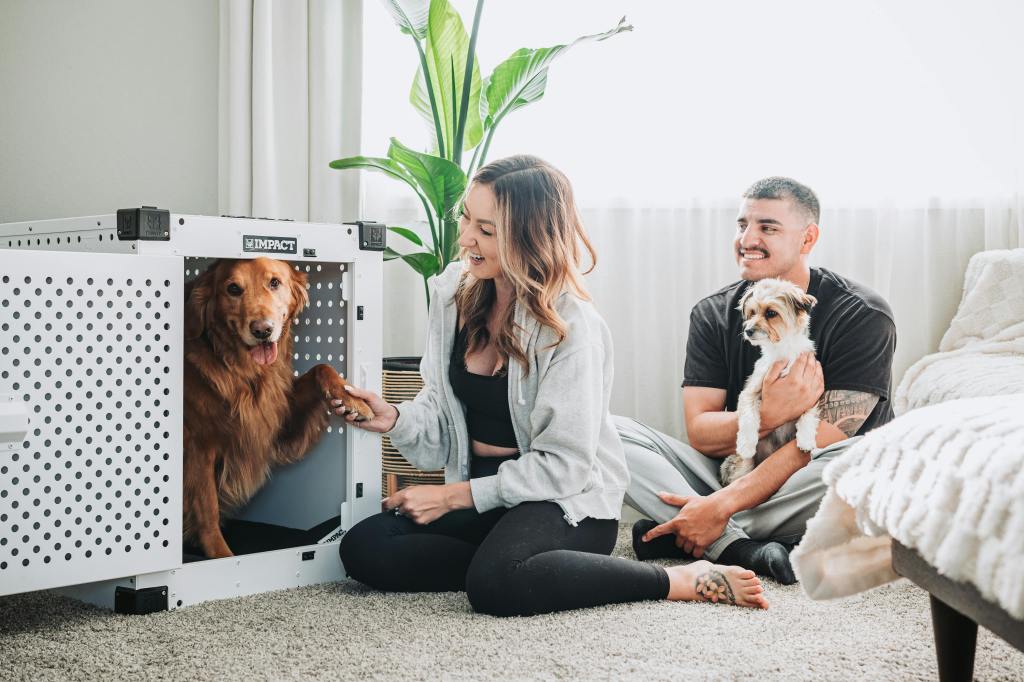
How Crate Training Helps Build Impulse Control in Dogs
Impulse control is an essential skill for any well-behaved dog. It’s the ability to resist acting on immediate desires, like jumping on guests, lunging at other animals, or grabbing food off the counter. While some dogs naturally have more self-control than others, all canines benefit from structured training to develop…
-

Crate Training Tips for High-Drive Working Breeds
High-drive working breeds like German Shepherds, Belgian Malinois, Border Collies, and Australian Shepherds are known for their intense energy, focus, and drive. These dogs thrive on having a job to do and can become restless or even destructive when their physical and mental needs aren’t met. While their high energy…
-
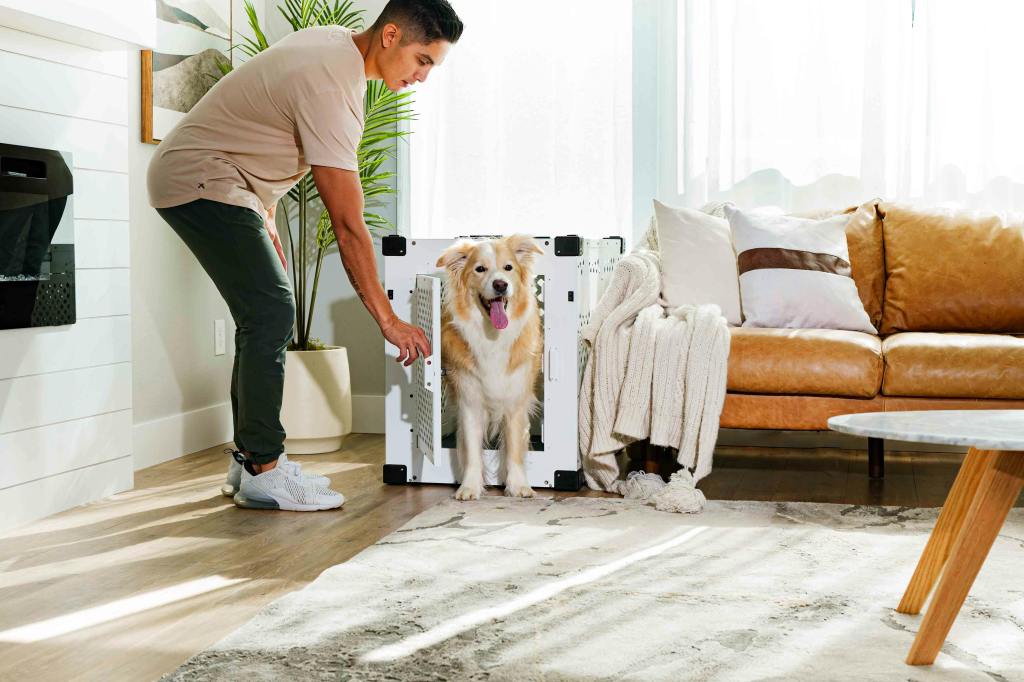
The Link Between Crate Training and Better Focus During Training
Training a dog to be attentive and focused can be a challenging task, especially when dealing with high-energy breeds or young puppies. One powerful yet often overlooked method to improve your dog’s concentration is crate training. Far from just being a containment tool, crate training lays the foundation for building…
-
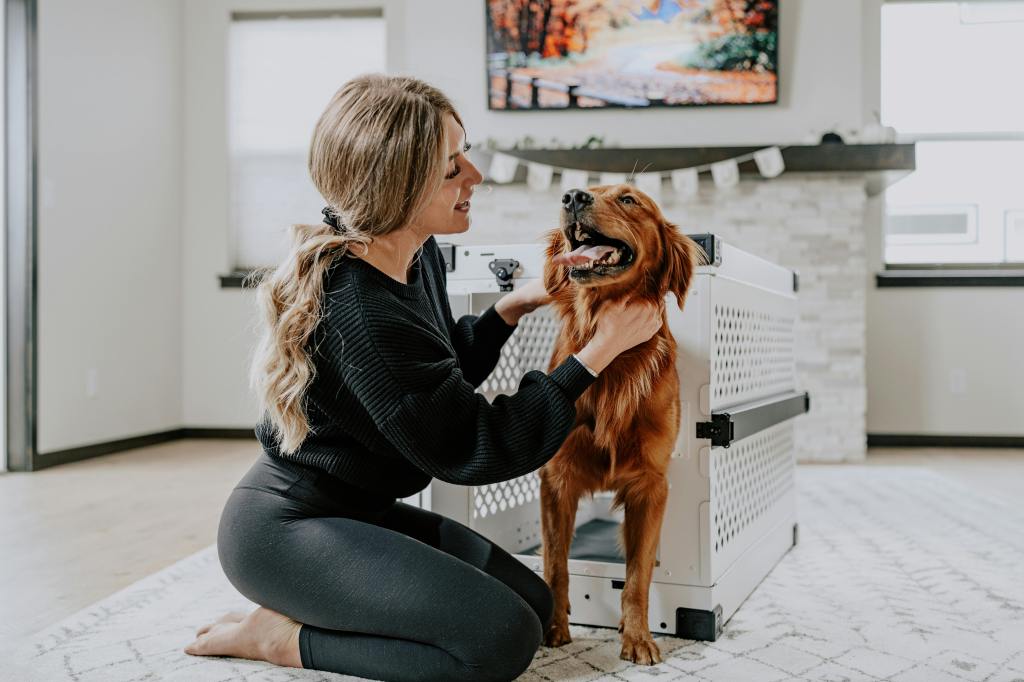
How Crate Training Can Improve Leash Manners
Walking your dog should be an enjoyable experience, but for many dog owners, it can quickly turn into a battle of wills. Whether it’s pulling, lunging, or constant zig-zagging, poor leash manners make walks stressful for both you and your dog. One of the most effective yet often overlooked ways…
-

How Crate Use Supports Boundaries in Multi-Dog Homes
Managing a multi-dog household can be both rewarding and challenging. While having multiple furry companions brings joy and excitement, it also introduces unique dynamics and potential conflicts. One of the most effective tools to maintain harmony and set clear boundaries is crate training. Crates are not just containment tools—they are…
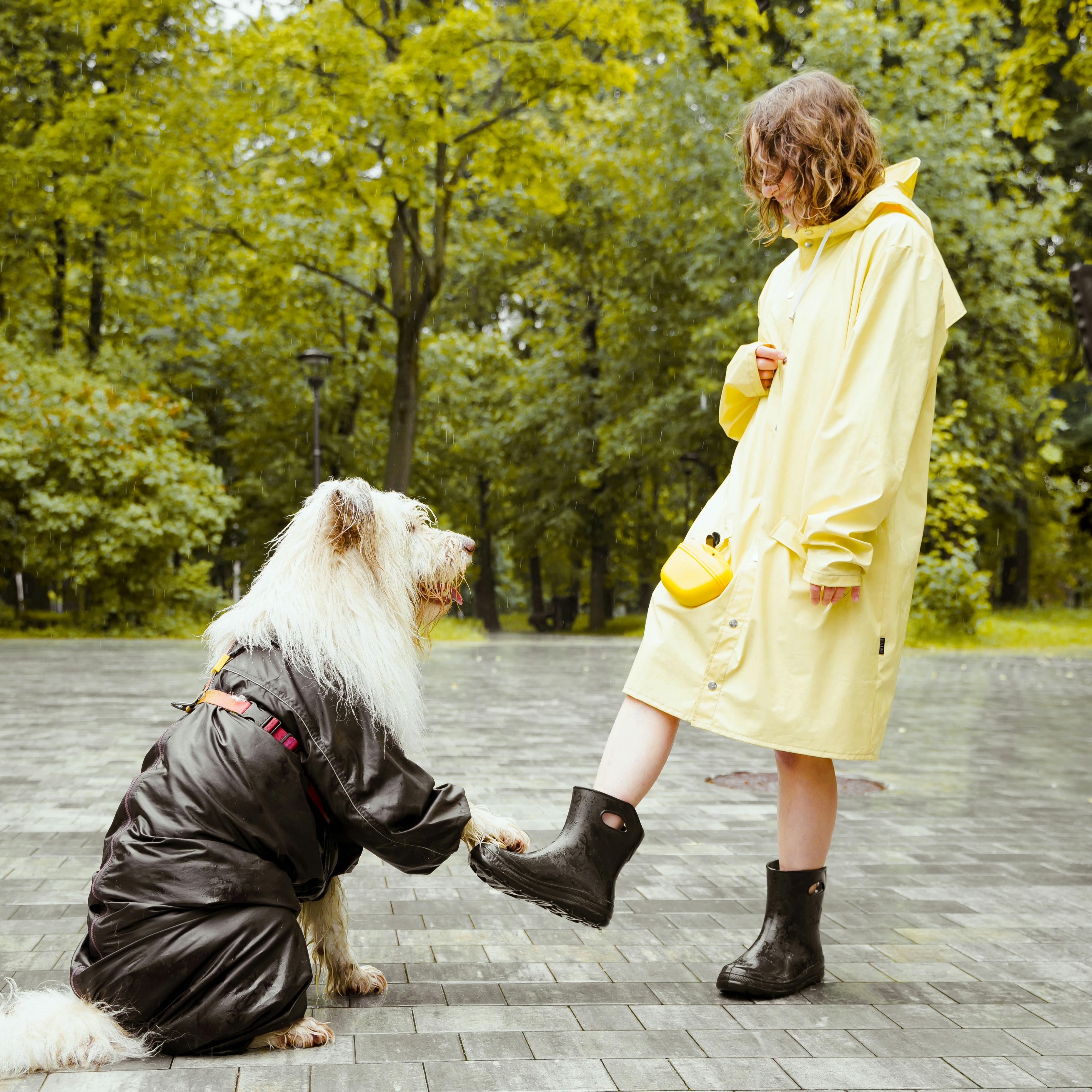
Train Your Dog with Confidence
At Top Dog Training Tips, we make training simple, effective, and fun. Whether you’re teaching basic commands, solving behavioral issues, or strengthening your bond, our expert-backed guidance gives you the tools to succeed. Start training smarter today!
1. Basic Obedience & Commands
Master essential cues like sit, stay, come, and leash manners to improve communication and build a strong foundation for your dog’s training.
2. Behavioral Solutions & Anxiety
Address common issues such as barking, jumping, leash pulling, and anxiety with expert-backed strategies for a well-behaved and confident pup.
3.Advanced Training & Enrichment
Take training to the next level with fun challenges, agility exercises, and mental stimulation activities to keep your dog engaged and happy.
 Top Dog Training Tips