
-

How Crate Time Supports Balanced Energy Output in Training
Training a dog isn’t just about teaching commands—it’s about understanding and managing energy. Every dog has a unique energy level that can either enhance or hinder the training process. Balanced energy output is essential for productive learning sessions. One of the most effective but often overlooked tools in achieving this…
-
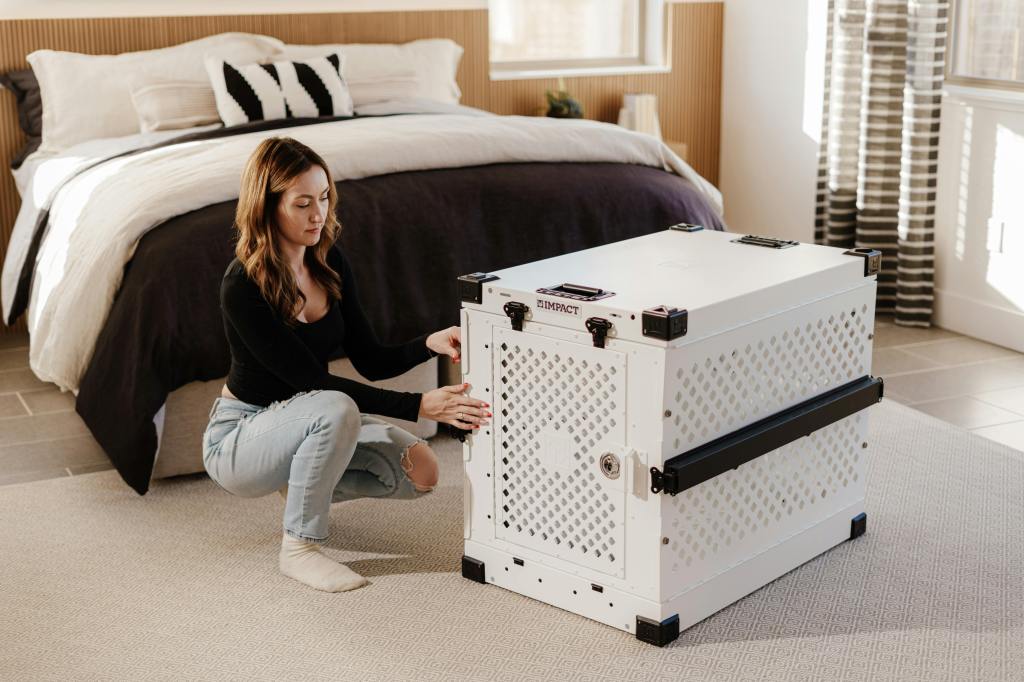
Crate Conditioning: Building Tolerance for Calm Confinement
Crate conditioning is more than just a pet training strategy—it’s a transformative journey that strengthens the bond between dogs and their owners. When approached with patience and consistency, crate training becomes a reliable tool for instilling a sense of safety, discipline, and emotional regulation in dogs. Rather than being a…
-
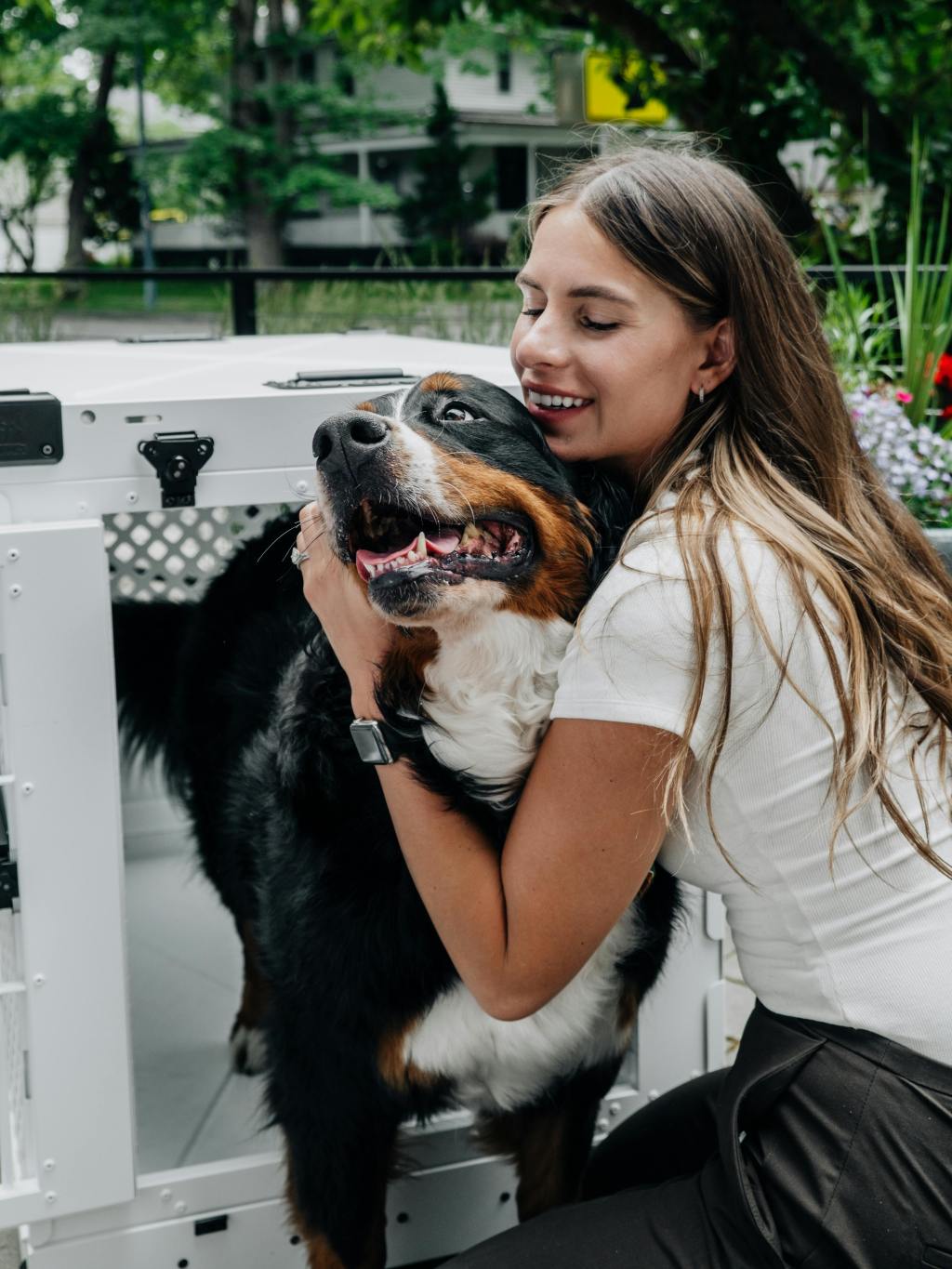
Crate Management for Dogs Going Through Regression
Regression in dogs can be a perplexing and often frustrating experience for pet owners. This behavioral shift, where a previously well-trained dog begins to exhibit old, undesirable behaviors, may stem from stress, environmental changes, medical issues, or emotional trauma. During these times, managing your dog’s environment becomes crucial—and one of…
-
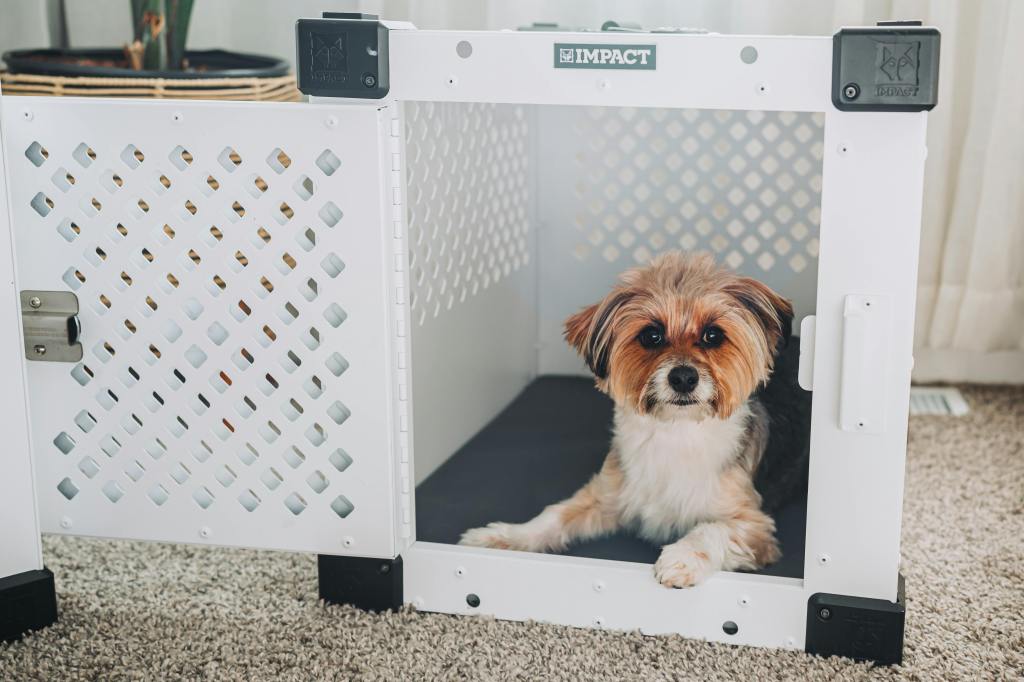
How Crate Training Reinforces Calm Engagement
Calm engagement is one of the most desirable behaviors in a dog, especially when navigating daily life filled with distractions and excitement. It refers to a dog’s ability to remain composed while still being attentive and responsive. Crate training, when used thoughtfully, plays a powerful role in cultivating this behavior.…
-

How to Incorporate the Crate Into Clicker Training Routines
Crate training, when done right, offers dogs a secure and cozy haven while helping them understand boundaries within the home. By combining it with clicker training, a positive reinforcement method that uses a distinct clicking sound to mark desired behaviors, pet owners can accelerate learning and reinforce obedience more effectively.…
-

How to Prevent Overexcitement Around the Crate
Crates can be powerful tools for establishing calm, focus, and emotional regulation in dogs—but when not managed properly, they can also become sources of overexcitement. Some dogs begin to associate the crate with high-energy moments such as mealtime, departures, or the arrival of a favorite toy, which can trigger frantic…
-

How to Use Crate Time as a Training Reset for Reactive Dogs
Crate training is often misunderstood as a confinement tool, but when used correctly, it becomes a sanctuary for dogs, especially those dealing with reactivity. Dogs that are reactive often respond to specific triggers with excessive barking, lunging, or anxiety, which can be mentally and emotionally taxing for both the pet…
-
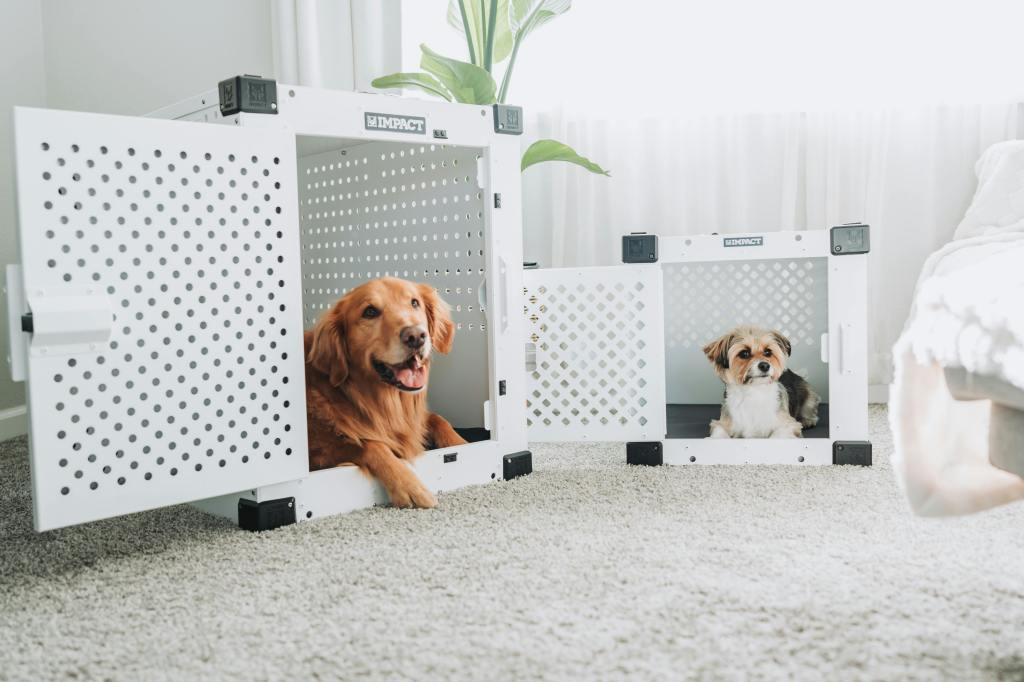
How to Use Crate Time Between Training Sessions
Training a dog isn’t just about the active learning moments—it’s also about how you manage their downtime. One of the most effective ways to support learning, emotional regulation, and energy balance is by using crate time between training sessions. This practice isn’t just for rest; it’s a powerful tool for…
-
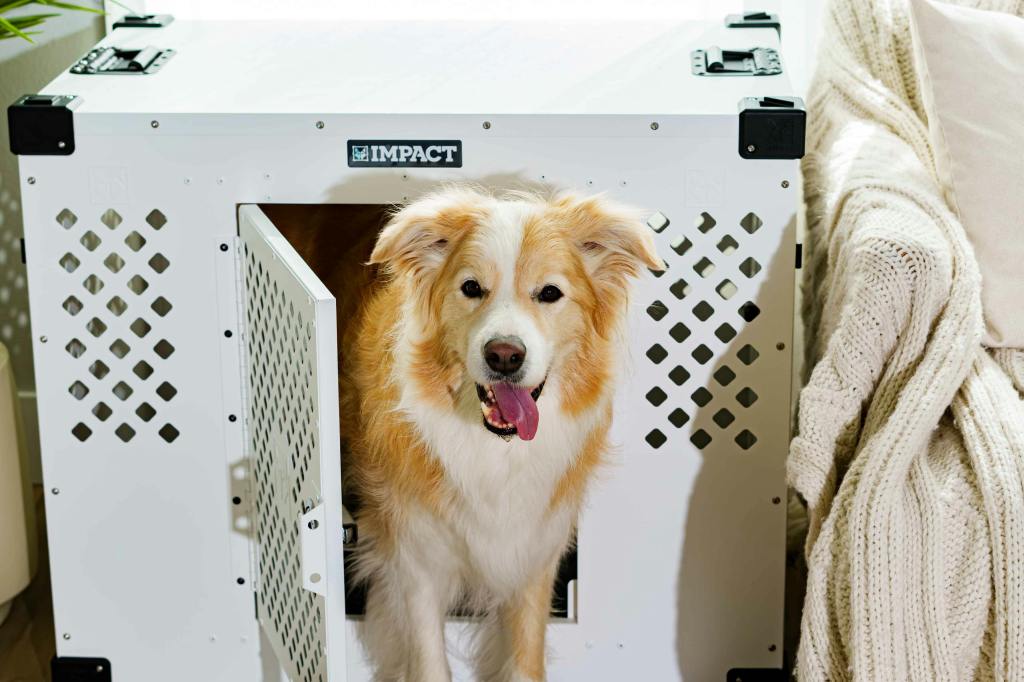
Teaching Crate Cues to Reduce Stress and Confusion
Crate training can be a cornerstone of a dog’s emotional and behavioral stability—but only when approached with clarity and consistency. One of the most effective ways to ensure crate time becomes a positive experience is by teaching crate cues. These are verbal or non-verbal signals that help your dog understand…
-

Teaching Polite Waiting With Crate Door Manners
Crate training is a foundational element in nurturing a well-behaved and obedient dog. Beyond serving as a safe haven, a crate becomes a pivotal tool in instilling discipline, especially when it comes to teaching polite waiting at the crate door. This practice not only enhances your dog’s self-control but also…
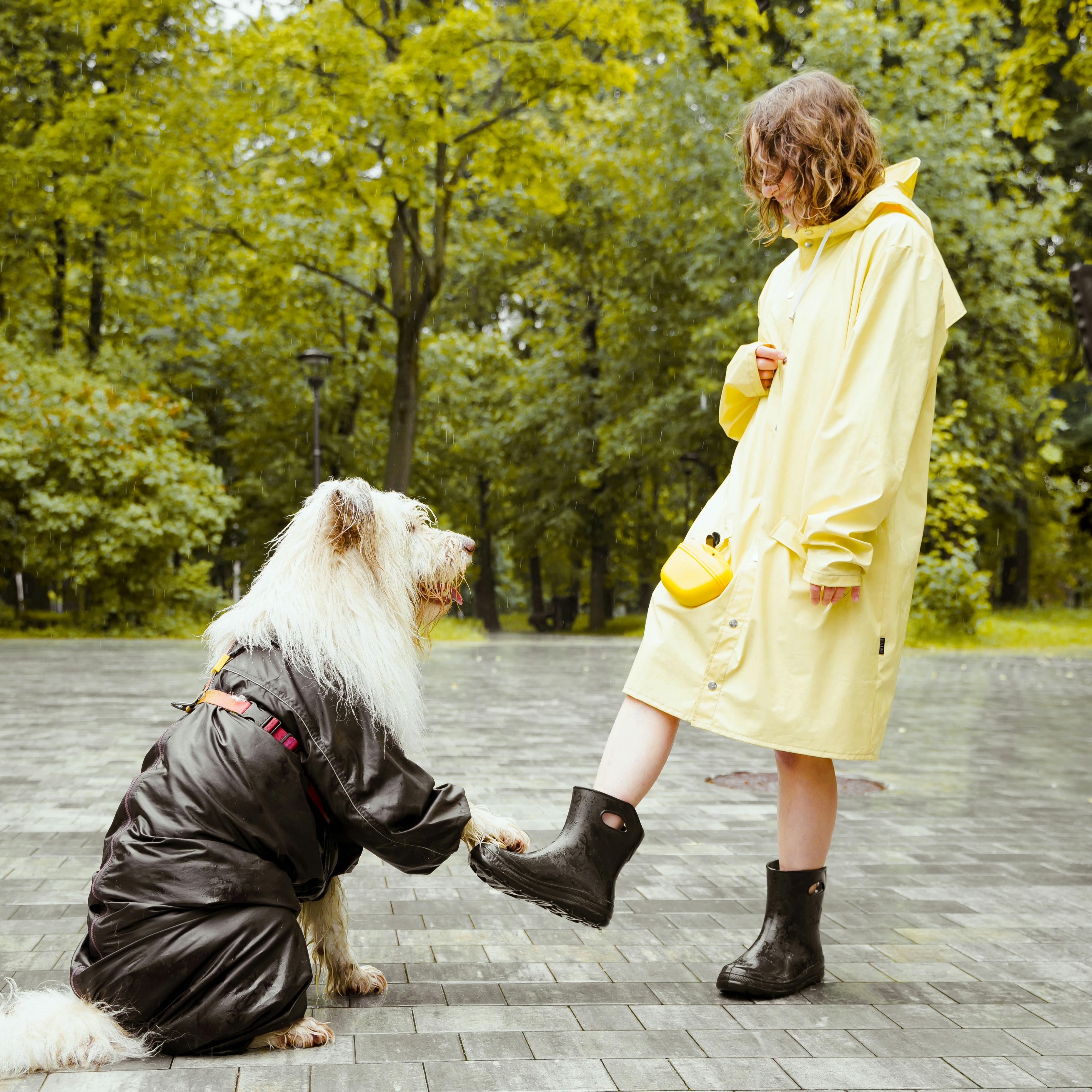
Train Your Dog with Confidence
At Top Dog Training Tips, we make training simple, effective, and fun. Whether you’re teaching basic commands, solving behavioral issues, or strengthening your bond, our expert-backed guidance gives you the tools to succeed. Start training smarter today!
1. Basic Obedience & Commands
Master essential cues like sit, stay, come, and leash manners to improve communication and build a strong foundation for your dog’s training.
2. Behavioral Solutions & Anxiety
Address common issues such as barking, jumping, leash pulling, and anxiety with expert-backed strategies for a well-behaved and confident pup.
3.Advanced Training & Enrichment
Take training to the next level with fun challenges, agility exercises, and mental stimulation activities to keep your dog engaged and happy.
 Top Dog Training Tips