
-
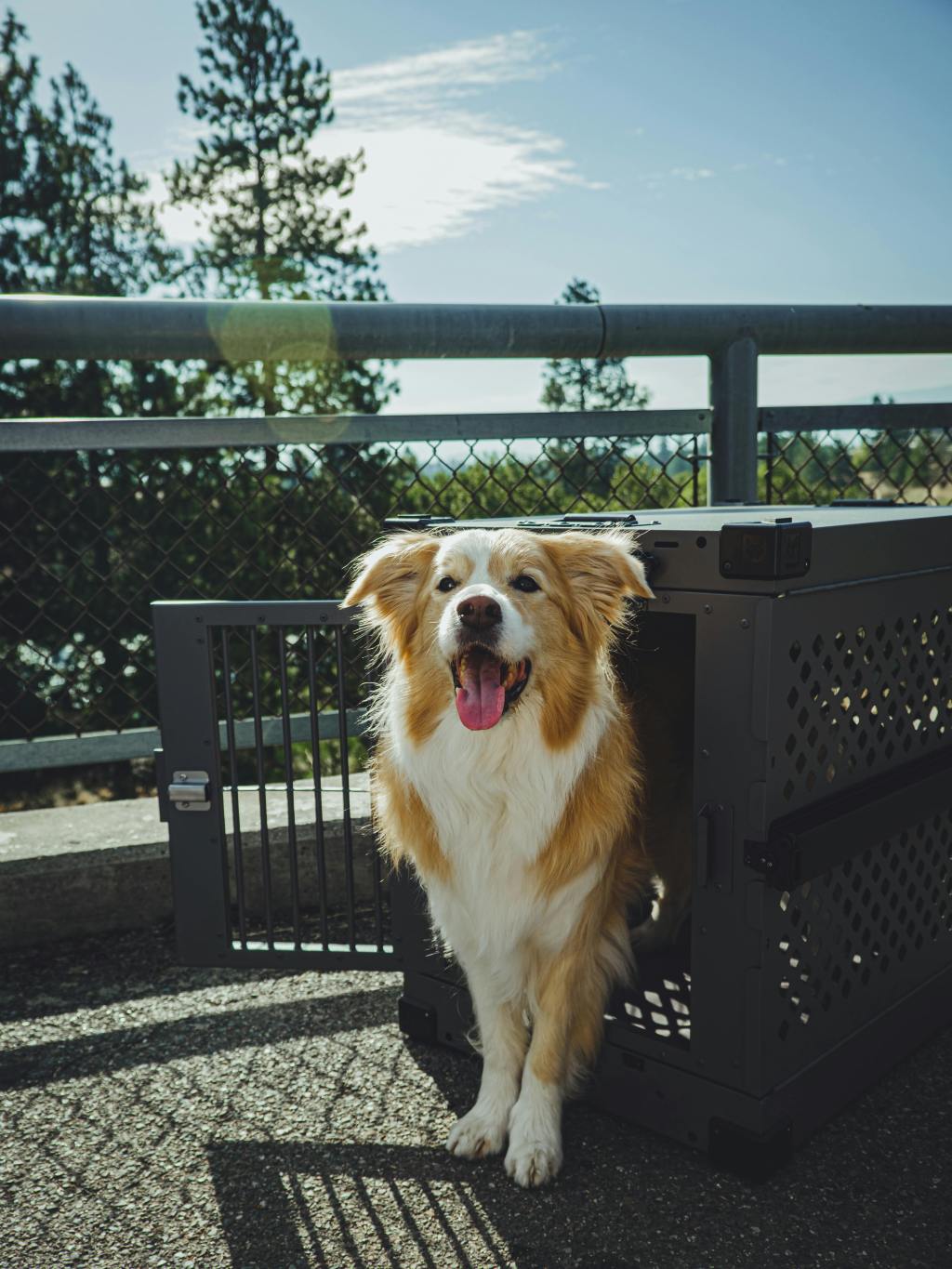
Advanced Crate Games That Reinforce Obedience and Patience
Welcome to a world where playtime meets training, and where your dog’s crate becomes more than just a resting nook—it becomes a safe haven and a dynamic learning environment. We know how anxious pups can feel when left alone, and how challenging it is to strike the right balance between…
-

Crate Structure for Dogs Transitioning to Free-Roaming
Transitioning a dog from crate training to free-roaming is a significant milestone that requires careful planning and patience. While crates offer structure and security, the goal for many pet owners is to eventually give their dog more freedom in the home. However, this freedom must be earned through consistent behavior…
-

Crate Training as a Foundation for Separation Tolerance
Separation anxiety is a common challenge for dog owners, often resulting in destructive behavior, excessive vocalization, or stress when a dog is left alone. Crate training, when introduced correctly, offers a powerful and positive foundation for building separation tolerance. By creating a structured, predictable, and secure environment, the crate becomes…
-
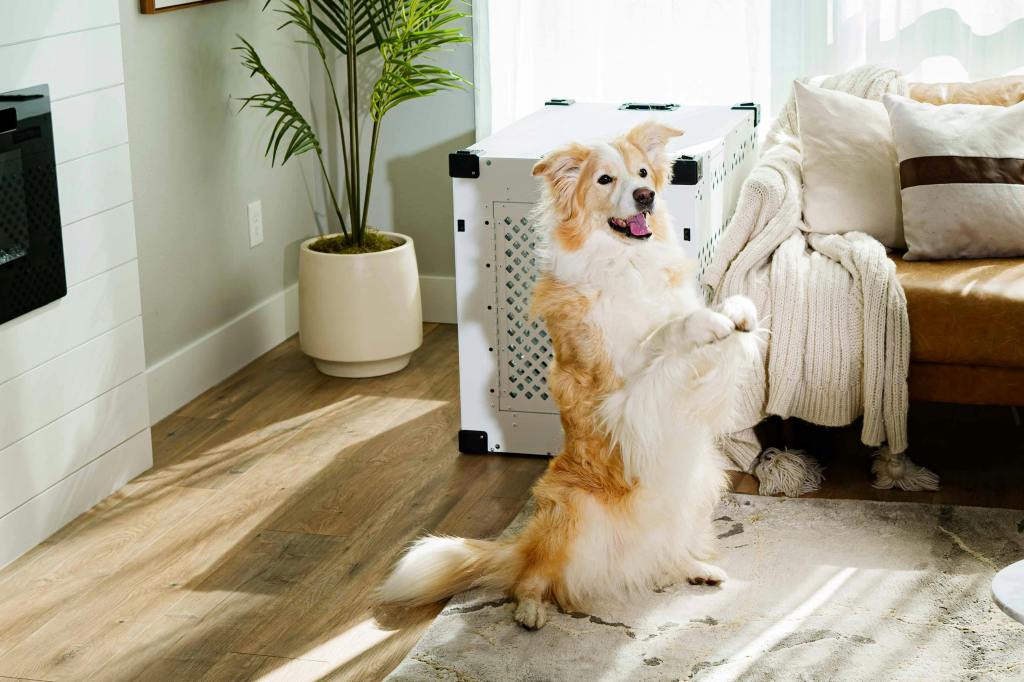
Crate Training to Eliminate Resource Guarding Habits
Resource guarding is a natural but potentially problematic behavior in dogs, where they protect items they perceive as valuable—such as food, toys, or resting spots. While this behavior may be rooted in survival instincts, it can lead to conflicts, anxiety, and even aggression if not addressed. Crate training offers a…
-

Crate-Based Timeouts: When and How to Use Them Effectively
Crate training is often viewed through the lens of housebreaking, but its utility stretches far beyond that. One of the most powerful, humane ways to encourage positive behavior in dogs is through crate-based timeouts. When used correctly, this technique can help reduce behavioral issues, teach impulse control, and foster a…
-

Building Independence in Velcro Dogs With Strategic Crating
“Velcro dogs”—those that constantly follow their owners around the house—are endearing but often struggle with emotional independence. This clingy behavior can develop into separation anxiety, stress, and poor coping skills when left alone. Strategic crating offers a proactive and compassionate solution, giving these dogs the structure they need to grow…
-

Crate-Based Training Plans for Busy Professionals
For many busy professionals, balancing a demanding career with the responsibilities of dog ownership can be overwhelming. The challenge is ensuring your dog receives the care, attention, and training they need while you manage meetings, deadlines, and daily commutes. Fortunately, crate-based training offers a highly effective, structured solution that caters…
-
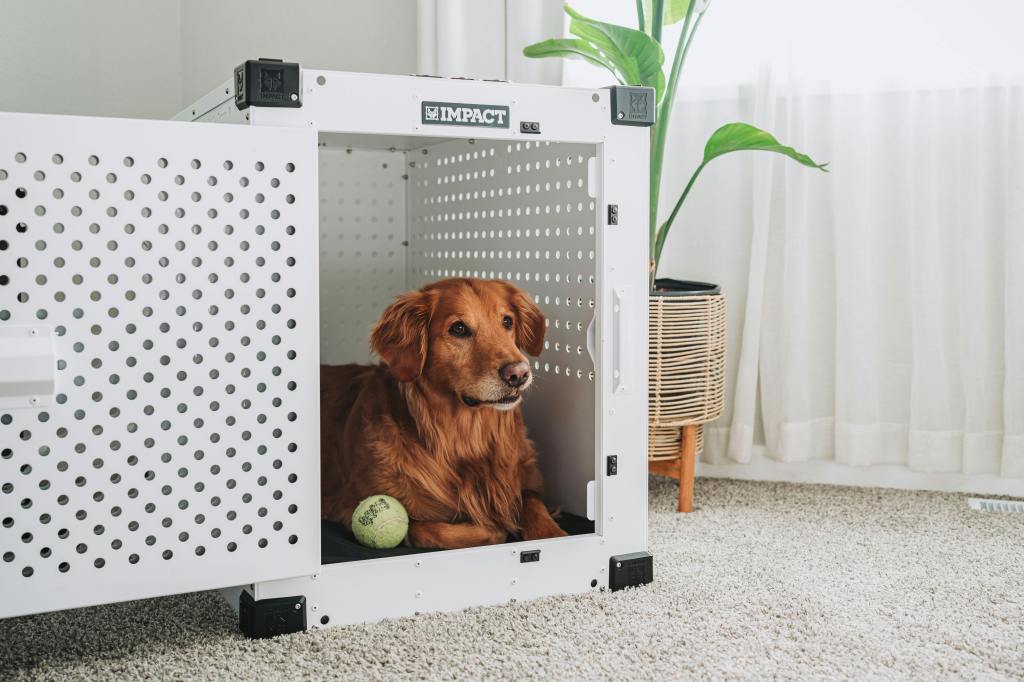
Crates and Recall: Building Focus Before Freedom
Recall training is one of the most important commands your dog can master—it could mean the difference between safety and danger in real-life situations. However, achieving reliable recall isn’t just about repetition and treats. It starts with building the right state of mind in your dog: one of focus, calm,…
-
Crating Between Sessions: Why It Enhances Learning Retention
Crate training has long been recognized as a cornerstone of effective canine development, not only for housebreaking but also for nurturing overall behavior and obedience. Among its lesser-known benefits is its power to enhance learning retention when used between training sessions. This structured downtime acts as a powerful tool for…
-

Creating Clear Expectations With Crate-Based Boundaries
Crate training isn’t just about teaching a dog where to sleep or stay when you’re not around—it’s about laying down a strong behavioral foundation that helps your pet feel secure, understand boundaries, and respond positively to obedience training. The crate becomes more than a containment space; it transforms into a…
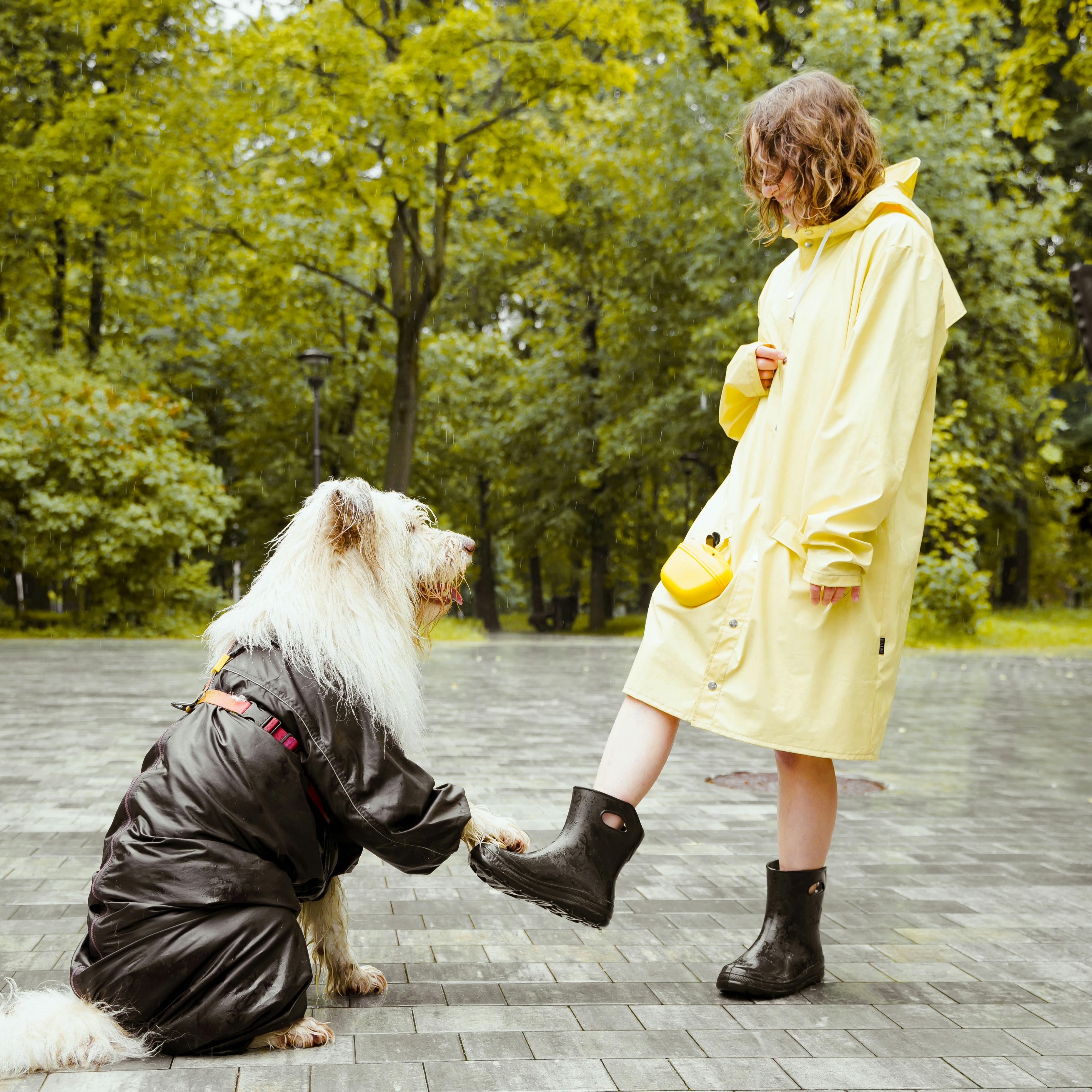
Train Your Dog with Confidence
At Top Dog Training Tips, we make training simple, effective, and fun. Whether you’re teaching basic commands, solving behavioral issues, or strengthening your bond, our expert-backed guidance gives you the tools to succeed. Start training smarter today!
1. Basic Obedience & Commands
Master essential cues like sit, stay, come, and leash manners to improve communication and build a strong foundation for your dog’s training.
2. Behavioral Solutions & Anxiety
Address common issues such as barking, jumping, leash pulling, and anxiety with expert-backed strategies for a well-behaved and confident pup.
3.Advanced Training & Enrichment
Take training to the next level with fun challenges, agility exercises, and mental stimulation activities to keep your dog engaged and happy.
 Top Dog Training Tips