

When it comes to dog training, having the right crate is essential. Whether you’re working on housebreaking, managing anxiety, or preventing destructive behavior, the right crate can make all the difference. But with so many options on the market, how do you know which crate is best suited for your dog’s training needs?
In this guide, we’ll break down what to look for in a training crate and recommend some top options to help your dog feel safe and secure while learning good habits.
Why Crate Training Matters
Crate training is a proven method to help dogs develop good behaviors while offering a safe, comfortable space they can call their own. According to the American Kennel Club (AKC), crate training is beneficial for housebreaking, reducing anxiety, and providing a secure environment during travel.
The right crate not only enhances training but also helps your dog feel relaxed and safe. Choosing the best crate involves understanding your dog’s needs and selecting a model that balances durability, comfort, and practicality.
Key Features to Look for in a Training Crate
When selecting a crate for training purposes, there are several important factors to consider:
1. Durability and Strength
Dogs in training, especially puppies and high-energy breeds, may chew, scratch, or push against the crate. Choosing a durable and robust crate ensures your dog’s safety and prevents breakouts.
- Material Matters: Look for crates made of heavy-duty metal or reinforced aluminum.
- Secure Latches: Make sure the latches are escape-proof and easy for you to operate.
- Chew-Proof Construction: Essential for dogs that are prone to gnawing.
2. Size and Comfort
A crate that’s too small will make your dog feel cramped, while one that’s too large might not feel den-like and secure.
- Sizing Rule: Your dog should be able to stand up, turn around, and lie down comfortably.
- Adjustable Dividers: Great for growing puppies to minimize extra space.
- Comfortable Flooring: Use soft bedding or crate pads to make it inviting.
3. Ventilation and Visibility
Good airflow and visibility help reduce anxiety and keep your dog comfortable.
- Mesh Panels or Grates: Allow for air circulation.
- Open Design: Helps your dog feel less isolated while still contained.
4. Portability and Ease of Use
If you plan on traveling or moving the crate frequently, consider options that are easy to set up and transport.
- Folding Designs: Great for portability and storage.
- Handles or Wheels: Make transportation easier.
5. Safety and Security
Safety is paramount when it comes to crate training. A reliable crate keeps your dog secure without causing injury.
- Rounded Edges: Prevent cuts or scrapes.
- Heavy-Duty Latches: Ensure your dog can’t accidentally open the door.
Top Recommended Crates for Training
Here are some of the best crates that meet all the essential criteria for training success:
1. Impact Dog Crates
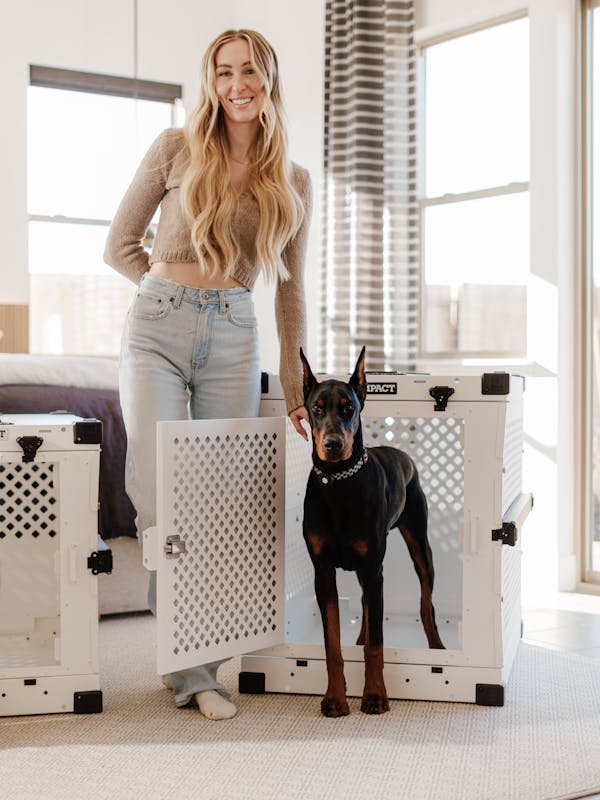
Impact Dog Crates are known for their rugged durability and escape-proof design, making them ideal for dogs in training, especially high-energy breeds or strong chewers.
Features:
- Heavy-duty aluminum construction for maximum durability.
- Secure, escape-proof latches.
- Ventilated design for optimal airflow.
- Suitable for both home use and travel.
- Chew-proof and rust-resistant.
Why It’s Great for Training:
Impact Dog Crates are virtually indestructible, making them perfect for dogs that chew, dig, or push against the sides. Their robust construction ensures that your dog remains safe and secure throughout training.
2. MidWest Life Stages Double Door Crate
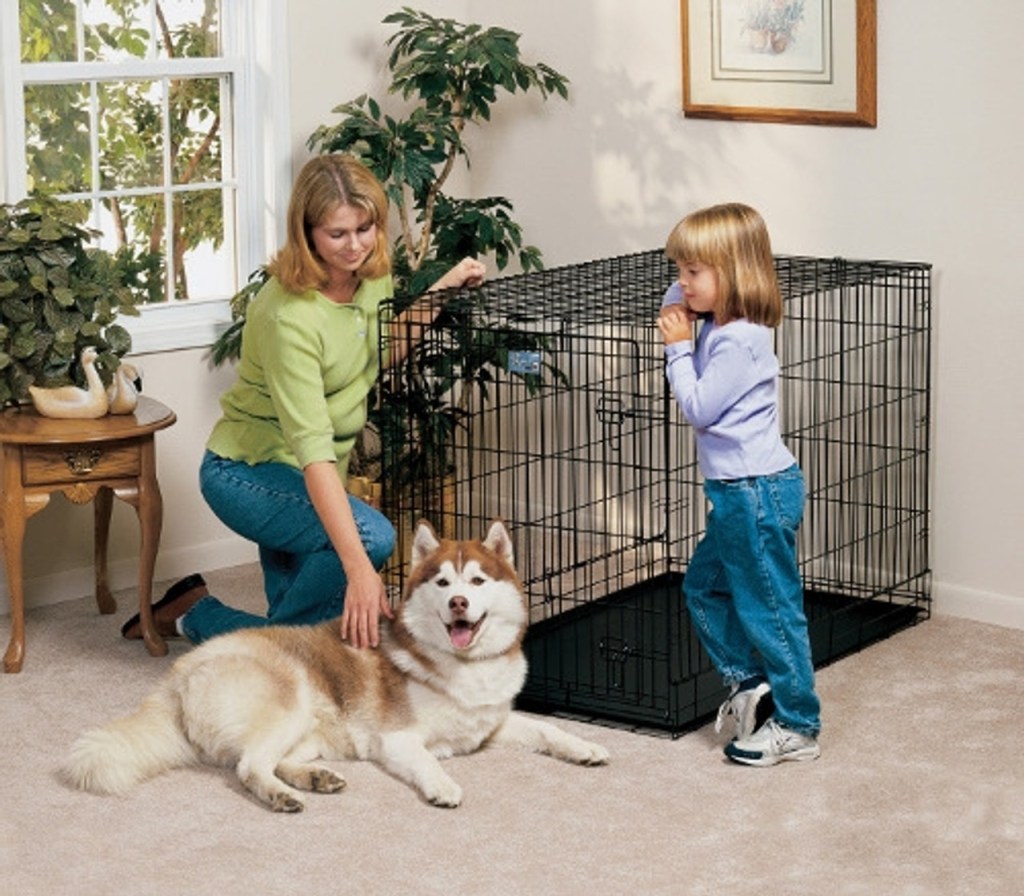
This crate is a popular choice for puppy training due to its adjustable divider and sturdy wire construction.
Features:
- Double door access for convenience.
- Adjustable divider for growing puppies.
- Foldable design for easy transport and storage.
- Leak-proof plastic pan for easy cleaning.
Why It’s Great for Training:
The divider makes it suitable for growing puppies, and the double doors allow flexible placement in your home. While not as durable as aluminum models, it’s sufficient for most dogs.
3. Gunner G1 Kennel
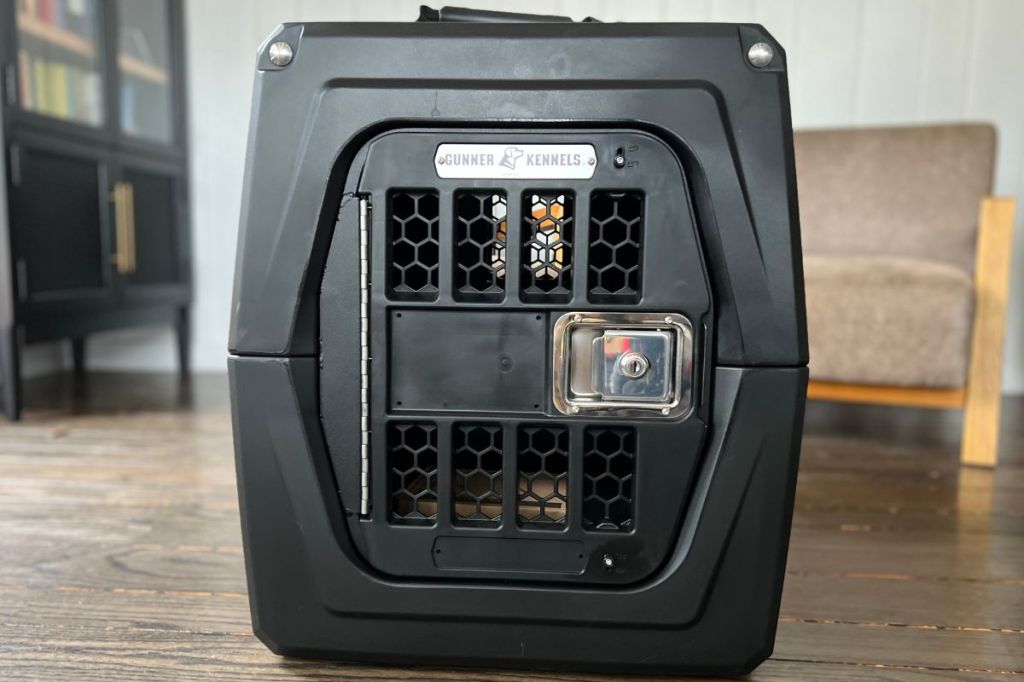
Designed with safety in mind, the Gunner G1 is crash-tested and ideal for travel and home use.
Features:
- Double-wall construction for added strength.
- Non-slip rubber feet to keep it in place.
- Escape-proof, heavy-duty lock.
- Crush-proof and made to withstand impact.
Why It’s Great for Training:
The Gunner G1 is a premium choice for both training and travel, offering top-tier safety features and exceptional durability.
Tips for Successful Crate Training
Regardless of the crate you choose, following best practices will ensure that your dog feels comfortable and secure.
1. Introduce the Crate Gradually
Start by letting your dog explore the crate with the door open. Toss in treats or favorite toys to create positive associations.
2. Make It Comfortable
Add a cozy bed or blanket and include familiar items like a favorite chew toy.
3. Practice Short Stays First
Begin with short crate sessions and gradually increase the time as your dog becomes more comfortable.
4. Use Positive Reinforcement
Reward your dog with treats and praise when they enter the crate calmly or remain quiet inside.
5. Never Use the Crate as Punishment
Your dog should see the crate as a safe, positive space—not a place of isolation or punishment.
Common Mistakes to Avoid
When crate training, it’s easy to make a few missteps that can hinder progress. Be mindful of these common mistakes:
- Leaving Your Dog Crated Too Long: Prolonged confinement can cause stress and anxiety.
- Forcing Your Dog Inside: This creates fear and resistance. Always encourage voluntary entry.
- Inconsistent Training: Stick to a routine to build trust and familiarity.
- Not Providing Enough Exercise: High-energy dogs need plenty of activity before crating to help them settle down.
Why Impact Dog Crates Stand Out
When it comes to crate training, quality and durability are non-negotiable. Impact Dog Crates are built to withstand heavy use while keeping your dog safe and secure. Whether dealing with a high-energy puppy or a determined escape artist, Impact crates provide peace of mind with their robust design and long-lasting performance.
Final Thoughts: Investing in the Right Crate Makes Training Easier
Choosing the best crate for your dog is about more than just containment—it’s about creating a safe, comfortable, and calming environment that supports training success. Whether you’re dealing with a stubborn chewer, an anxious pup, or a high-energy dog, selecting a durable, well-ventilated crate makes all the difference.
With options like Impact Dog Crates, you can be confident that your dog is safe and comfortable, no matter how long they spend inside. Start crate training the right way by investing in quality and durability, and enjoy a happier, more well-behaved dog as a result!


Leave a comment