
Category: Buying Guides
-

Advanced Crate Games: Reinforcing Obedience and Patience
Understanding Advanced Crate Games for Obedience Advanced crate obedience games take your dog’s training to the next level, transforming simple containment into an engaging learning experience that strengthens your bond and builds essential life skills. While basic crate training focuses on comfort and acceptance, these games turn your dog’s crate…
-

When Is the Best Age to Introduce Crate Training for Long‑Term Success?
Understanding the Best Age for Crate Training The best age for crate training starts at 8 weeks old, when puppies are naturally wired to understand safe spaces and daily routines. At this sweet spot in their development, young dogs instinctively embrace the crate as their personal sanctuary, turning what could…
-

High‑Drive Dogs: Balancing Crate Use With Play for Optimal Learning
Understanding High-Drive Dogs and Their Needs High-drive dogs possess an intense eagerness to work, learn, and engage with their environment that sets them apart from more laid-back companions. These dogs—often breeds like Border Collies, German Shepherds, Belgian Malinois, and Jack Russell Terriers—were bred for specific jobs requiring sustained focus and…
-

Phasing Out Crate Time Without Losing Training Progress
Understanding the Role of Crate Training in Dog Development Crate training serves as one of the most effective foundations for raising a well-adjusted, confident dog. When done right, a crate becomes your dog’s personal sanctuary—a secure space that taps into their natural denning instincts while providing the structure and safety…
-

Preventing Overtraining Fatigue in Young Dogs With Balanced Crate Time
Understanding Overtraining Fatigue in Dogs Overtraining fatigue happens when dogs are pushed beyond their physical and mental limits without enough recovery time. Think of it as hitting the wall—their bodies and minds simply can’t keep up with the demands being placed on them. Young dogs face an added challenge here…
-
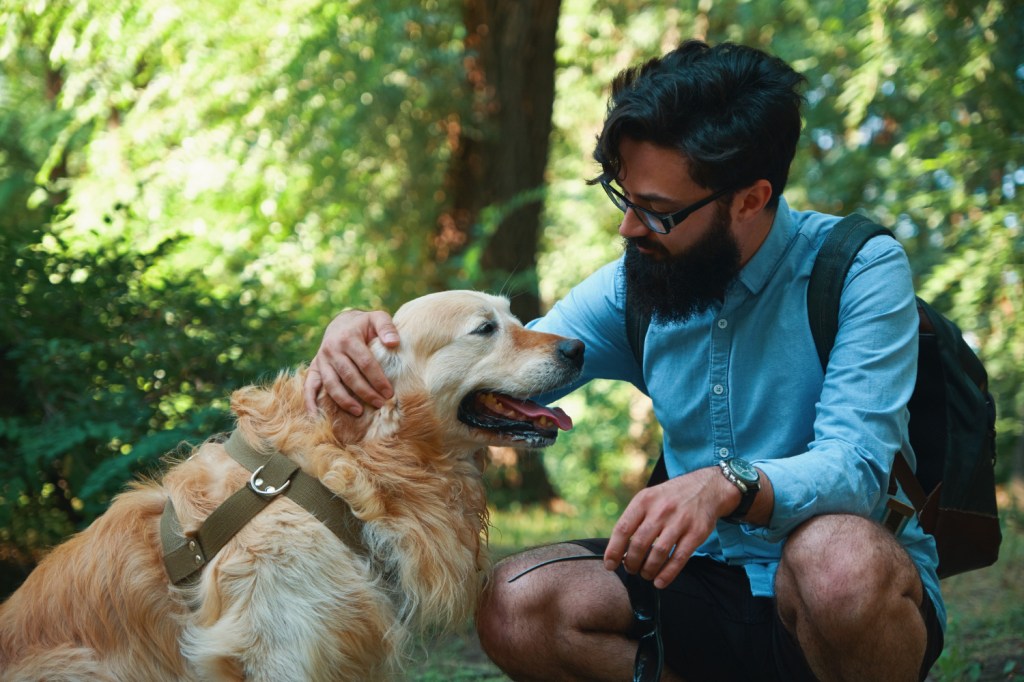
Supporting Dogs Through Major Life Changes With Crate Training
Understanding Major Life Changes for Dogs Dogs thrive on predictability and routine, which makes major life transitions particularly challenging for our four-legged family members. Unlike humans who can understand and prepare for upcoming changes, dogs experience these shifts as sudden disruptions to their secure world, often triggering stress responses that…
-

Managing Multi‑Dog Training With Individual Crate Plans
Understanding the Basics of Multi-Dog Crate Training Multi dog crate training turns a potentially overwhelming household into a calm, well-organized environment where each of your dogs can flourish individually while contributing to the pack’s overall harmony. Think of crates not as confinement, but as personal sanctuaries that offer security, ease…
-

Crating Between Training Sessions: Why It Builds Better Retention
Understanding the Basics of Crate Training Retention Crate training retention is one of those game-changing concepts that many dog owners stumble upon by accident—and once they experience it, they wonder how they ever trained without it. When your dog settles into their crate between training sessions, something remarkable happens: their…
-

Transitioning From Crate Training to Free‑Roaming Behaviour
Understanding the Crate to Free Roam Transition The crate to free roam transition represents one of the most rewarding milestones in your dog’s journey, marking their growth from a puppy who needs clear boundaries to a trusted companion ready to explore your home safely and independently. This thoughtful process builds…
 Top Dog Training Tips