
-

Utilising Smart Crates and Apps to Track Training Progress
The Evolution of Smart Crate Training Smart crate training represents a significant leap forward in how we approach canine education and care. What began as simple metal enclosures has evolved into sophisticated systems that combine traditional crate training principles with cutting-edge technology to create safer, more effective learning environments for…
-

Crate Conditioning for Rescue Dogs: Rebuilding Trust Through Safe Confinement
Understanding Your Rescue Dog’s Unique Needs Every rescue dog carries an invisible history that shapes their relationship with the world. Unlike puppies who grow up in predictable environments, rescue dogs often arrive having experienced abandonment, neglect, or inconsistent care. These experiences create deep impressions about safety and trust that directly…
-

How to Use a Crate to Shape Quiet and Calm Greetings
Understanding Crate Training and Greeting Manners Crate training serves as one of the most effective foundations for teaching dogs appropriate social behaviors, including how they greet family members, guests, and other visitors. When dogs become overly excited during arrivals and departures, they often jump, bark excessively, or display other disruptive…
-

Crate Training and Loose‑Leash Walking: How Calm Starts in the Crate
Understanding the Connection: Crate Training and Loose-Leash Walking Many dog owners know this frustrating scenario all too well: their dog transforms from a calm, peaceful companion at home into an excited, pulling force the moment they step outside. This dramatic shift isn’t just coincidence—it reveals a fundamental training opportunity that…
-
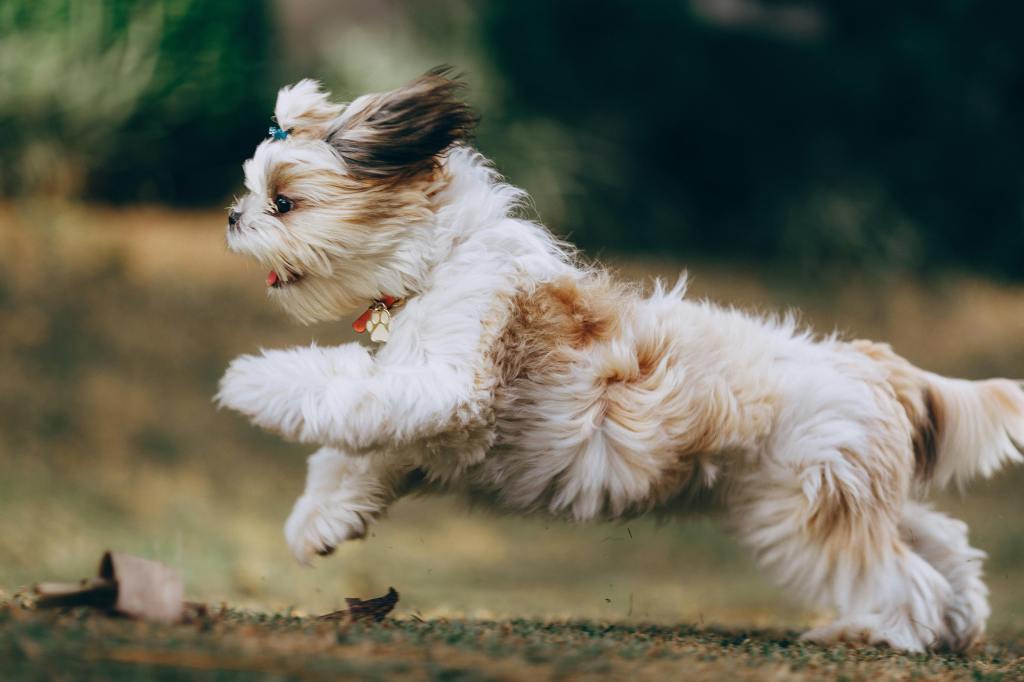
Using Crate Time to Prevent Resource Guarding and Possessive Behaviours
Understanding Resource Guarding in Dogs Resource guarding represents one of the most challenging behavioral issues dog owners encounter, transforming peaceful homes into tense environments where everyone walks on eggshells. This deeply rooted canine instinct drives dogs to protect what they consider valuable—food bowls, favorite toys, cozy sleeping spots, or even…
-

Crate Training for Service and Therapy Dogs: Preparing Them for Public Work
Understanding the Role of Service and Therapy Dogs Service dogs and therapy dogs serve distinctly different but equally important roles in supporting human wellbeing. Service dogs are individually trained to perform specific tasks for people with disabilities—guiding individuals with visual impairments, alerting to seizures, or providing mobility assistance. These highly…
-
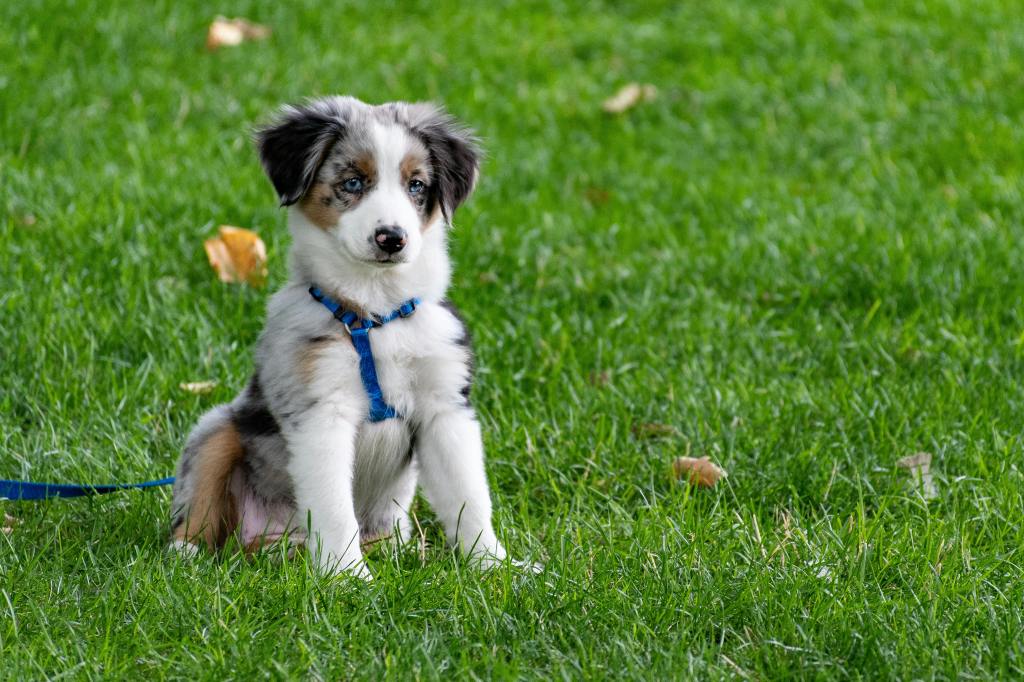
Combining Leash Reactivity Training With Crate Time: A Balanced Approach
Understanding Leash Reactivity in Dogs Leash reactivity occurs when dogs exhibit intense emotional responses to specific triggers they encounter while leashed—other dogs, people, vehicles, or sudden movements. Unlike aggression, reactivity stems from frustration, fear, or overstimulation rather than a desire to harm. Your dog may lunge, bark excessively, whine, or…
-
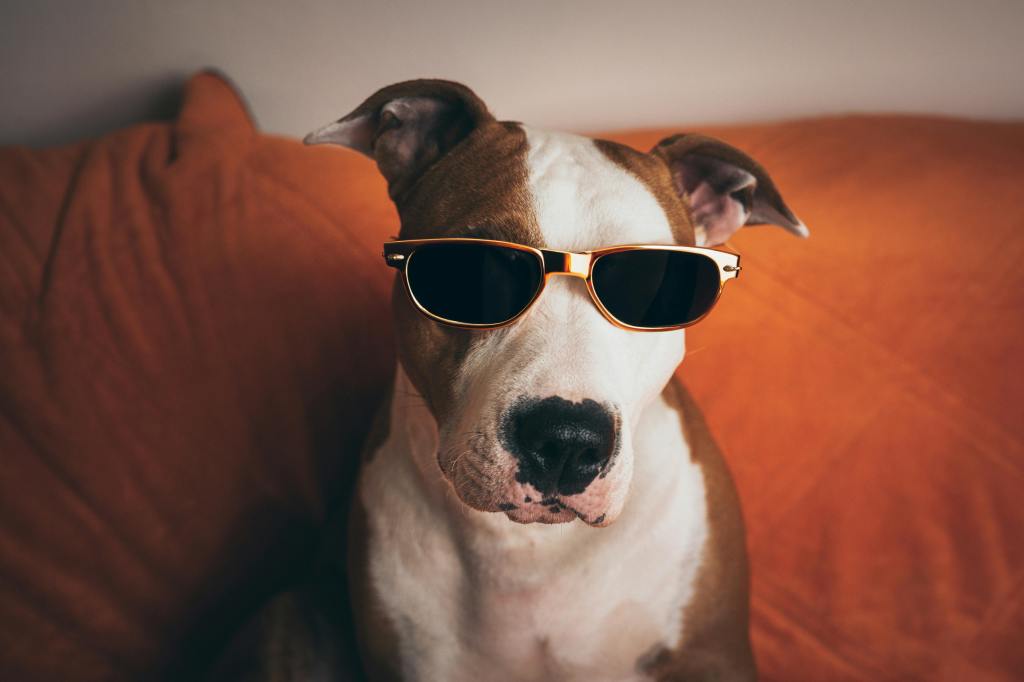
Crating Strategies for Herding vs. Hound Breeds: Tailoring Training Plans
Understanding the Unique Traits of Herding and Hound Breeds Creating a successful breed crate training plan starts with understanding what makes herding and hound breeds tick. These dog groups couldn’t be more different, thanks to centuries of selective breeding for entirely different jobs. Herding breeds like Border Collies, Australian Shepherds,…
-

Crate Games for Scent‑Work and Nose‑Work Dogs: Boosting Drive Safely
Understanding the Basics of Scent-Work and Nose-Work Scent-work and nose-work tap into one of your dog’s most remarkable natural gifts. Every dog, regardless of breed or size, possesses an extraordinary sense of smell that’s tens of thousands of times more sensitive than ours. These activities harness that incredible instinct, transforming…
-
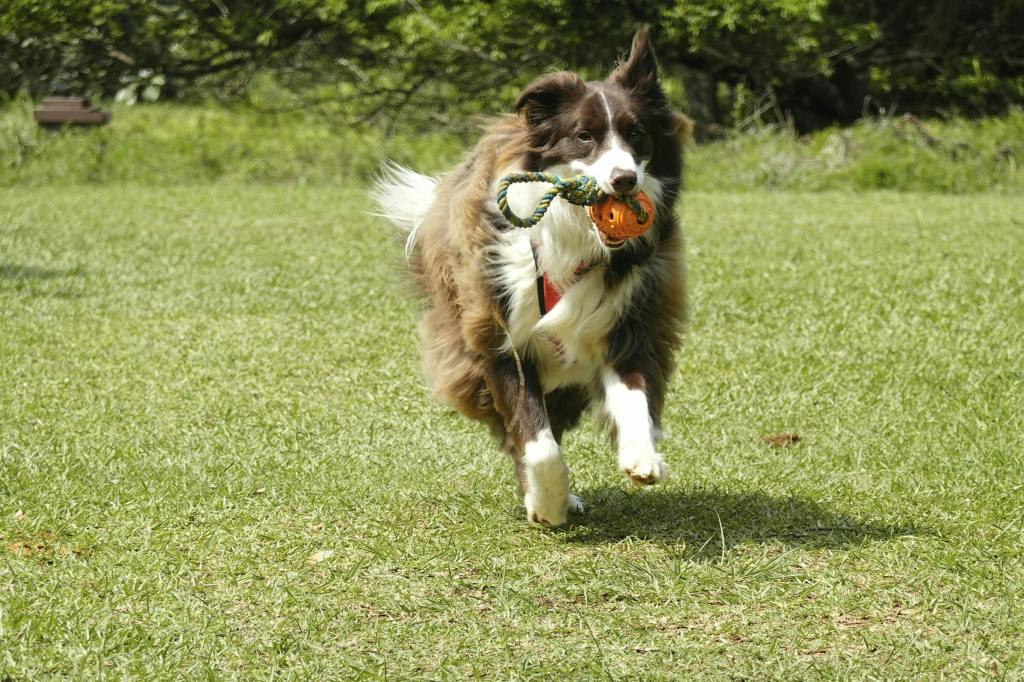
Integrating Crate Time With Clicker Training: Step‑by‑Step Guide
Understanding the Basics: What Is Clicker Crate Training? Clicker crate training brings together the precision of clicker techniques with proven crate training methods, creating a powerful approach that builds genuine confidence and comfort around your dog’s crate. This method uses a small handheld device that makes a distinct “”click”” sound…
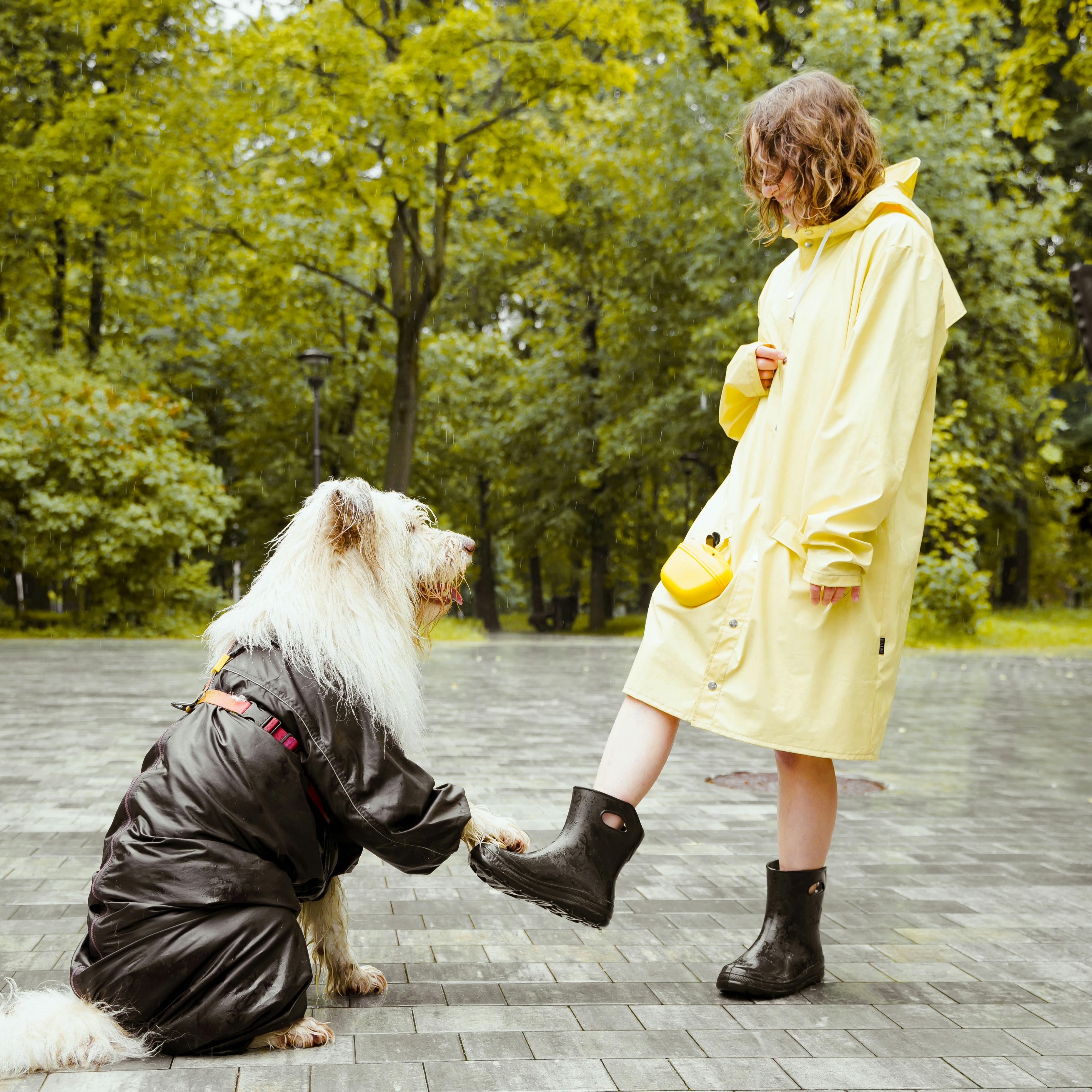
Train Your Dog with Confidence
At Top Dog Training Tips, we make training simple, effective, and fun. Whether you’re teaching basic commands, solving behavioral issues, or strengthening your bond, our expert-backed guidance gives you the tools to succeed. Start training smarter today!
1. Basic Obedience & Commands
Master essential cues like sit, stay, come, and leash manners to improve communication and build a strong foundation for your dog’s training.
2. Behavioral Solutions & Anxiety
Address common issues such as barking, jumping, leash pulling, and anxiety with expert-backed strategies for a well-behaved and confident pup.
3.Advanced Training & Enrichment
Take training to the next level with fun challenges, agility exercises, and mental stimulation activities to keep your dog engaged and happy.
 Top Dog Training Tips