
-
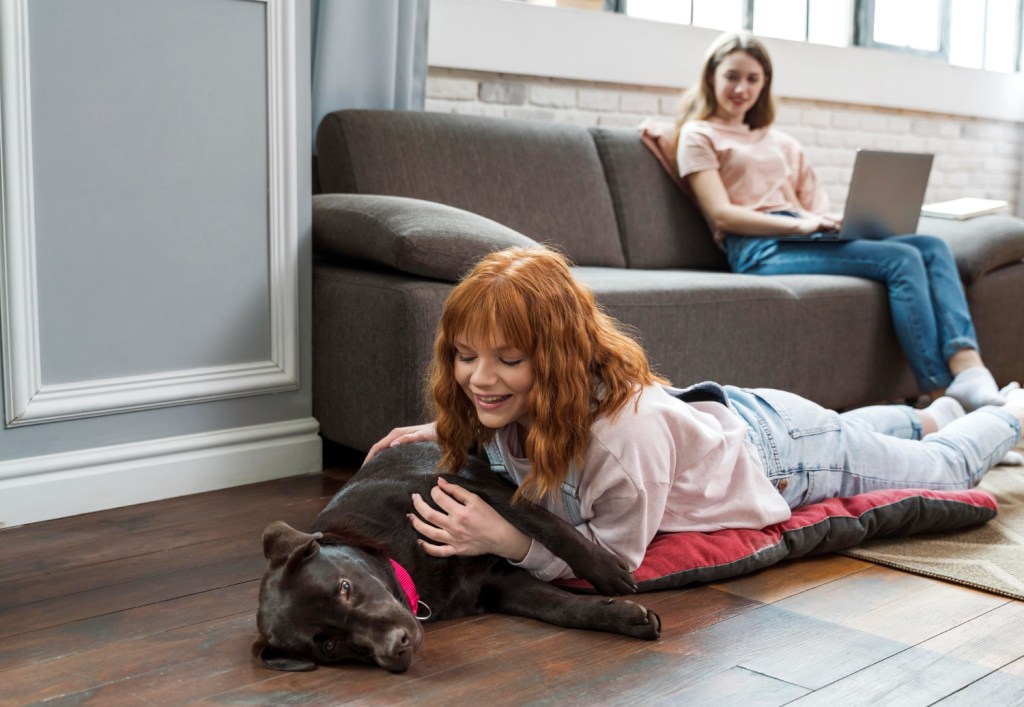
When to Use Crates as Cool‑Down Zones (and When Not To)
The Role of Crates as Cool-Down Zones An expertly configured crate cool down zone can be your dog’s personal haven during times of stress, overstimulation, or emotional unease. This setup doesn’t serve as punishment; instead, it leverages your dog’s innate denning instincts to establish a secure refuge where self-regulation and…
-

Self‑Soothing After Excitement: How Crates Help Dogs Learn to Calm Down
Understanding the Importance of Self-Soothing for Dogs Dogs naturally experience intense emotional highs and lows throughout their day. Whether it’s the rush of a vigorous play session, the excitement of meeting new people, or the overstimulation that comes with exploring unfamiliar places, our canine companions need effective ways to process…
-

Structured Crating: Reinforcing Consistent Sleep‑Wake Routines
Understanding the Importance of Structured Crating A well-planned crate sleep schedule forms the foundation of a balanced, healthy lifestyle for your dog. When you stick to it consistently, structured crating creates predictable routines that help your dog feel secure and understand what’s expected throughout the day and night. Dogs naturally…
-

How Crates Help Prevent Regression in Adolescent Dogs
Understanding Crate Regression in Adolescent Dogs Crate regression hits when your previously well-behaved dog suddenly starts acting out around their crate—whining, refusing to go in, or having accidents inside. It’s one of those frustrating setbacks that catches most dog owners completely off guard, especially when your pup seemed to have…
-

The Role of Crate Training in Off‑Leash Preparedness
Understanding the Connection Between Crate Training and Off-Leash Freedom At first glance, crate training and off-leash freedom might seem like opposite concepts. One involves confinement, the other celebrates freedom. But here’s what many dog owners discover: these approaches actually work hand in hand to create confident, responsive dogs who excel…
-
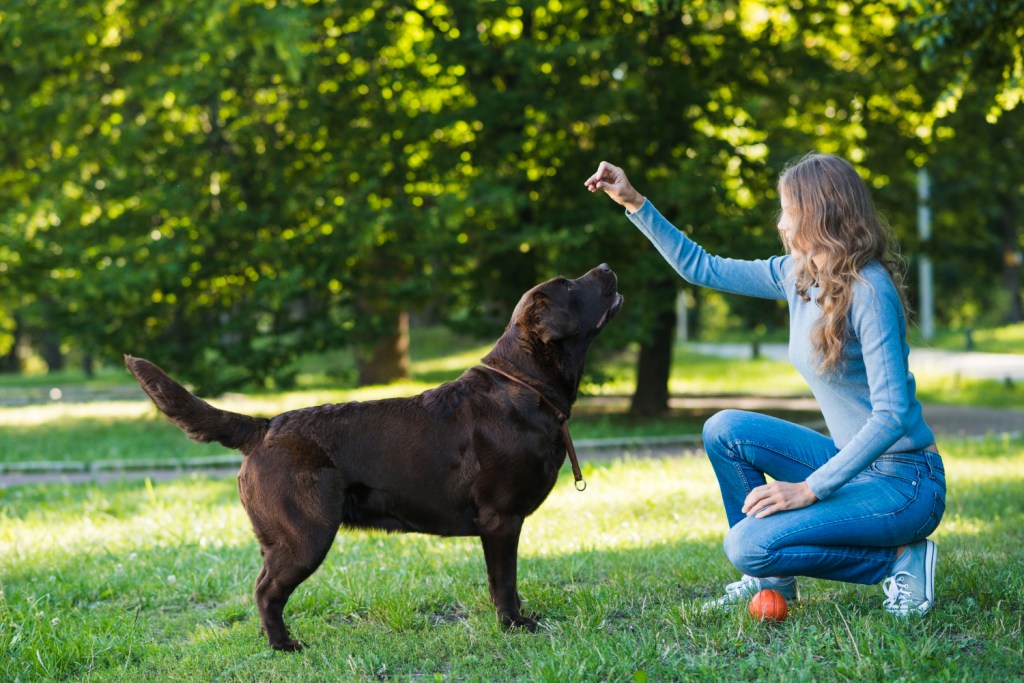
Training ‘Go to Crate’ as a Life‑Saving Command
Understanding the ‘Go to Crate’ Command The go to crate command is one of the most valuable safety tools you can develop with your dog. At its heart, this command creates an immediate pathway to security when your dog needs protection—whether from household hazards, unexpected visitors, or emergency situations that…
-
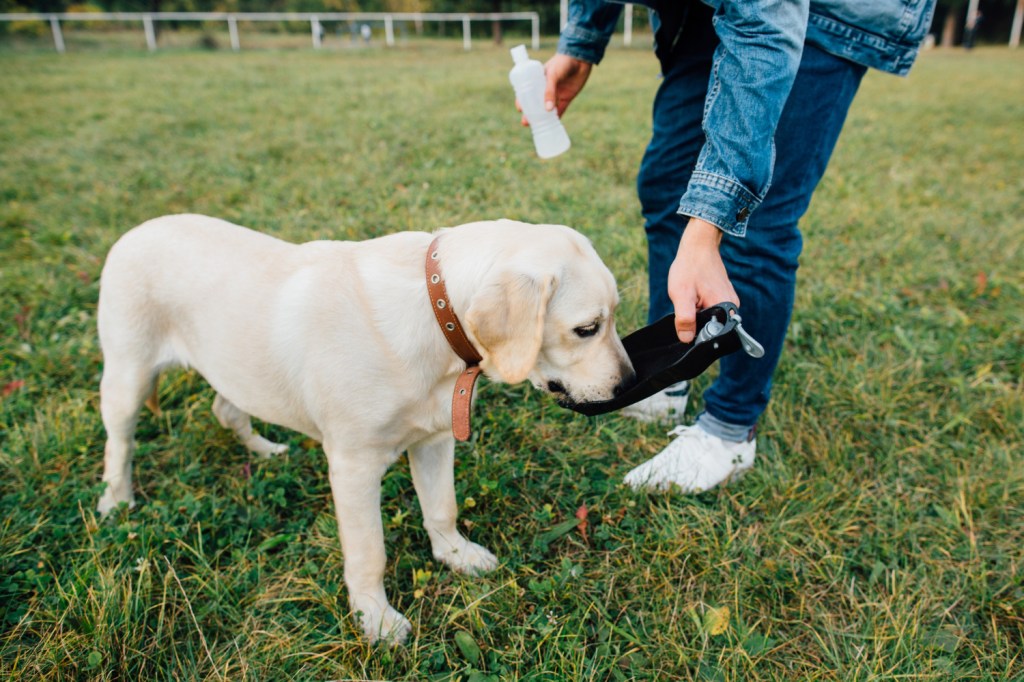
Building Crate Time Into a Puppy’s Daily Training Schedule
Understanding Why Crate Training is Essential for Puppies Crate training transforms chaotic puppy days into structured, peaceful routines that benefit both you and your growing companion. When you establish a consistent puppy crate training schedule, you’re creating a foundation of security that helps your puppy understand expectations while giving them…
-

Why Impact Crates Offer the Ideal Training Setup
Understanding the Importance of Crate Training Crate training forms the foundation of a well-structured relationship between you and your dog, creating boundaries that actually enhance freedom and confidence. When done right, this practice transforms a simple enclosure into your dog’s personal sanctuary—a safe haven where they can retreat, rest, and…
-
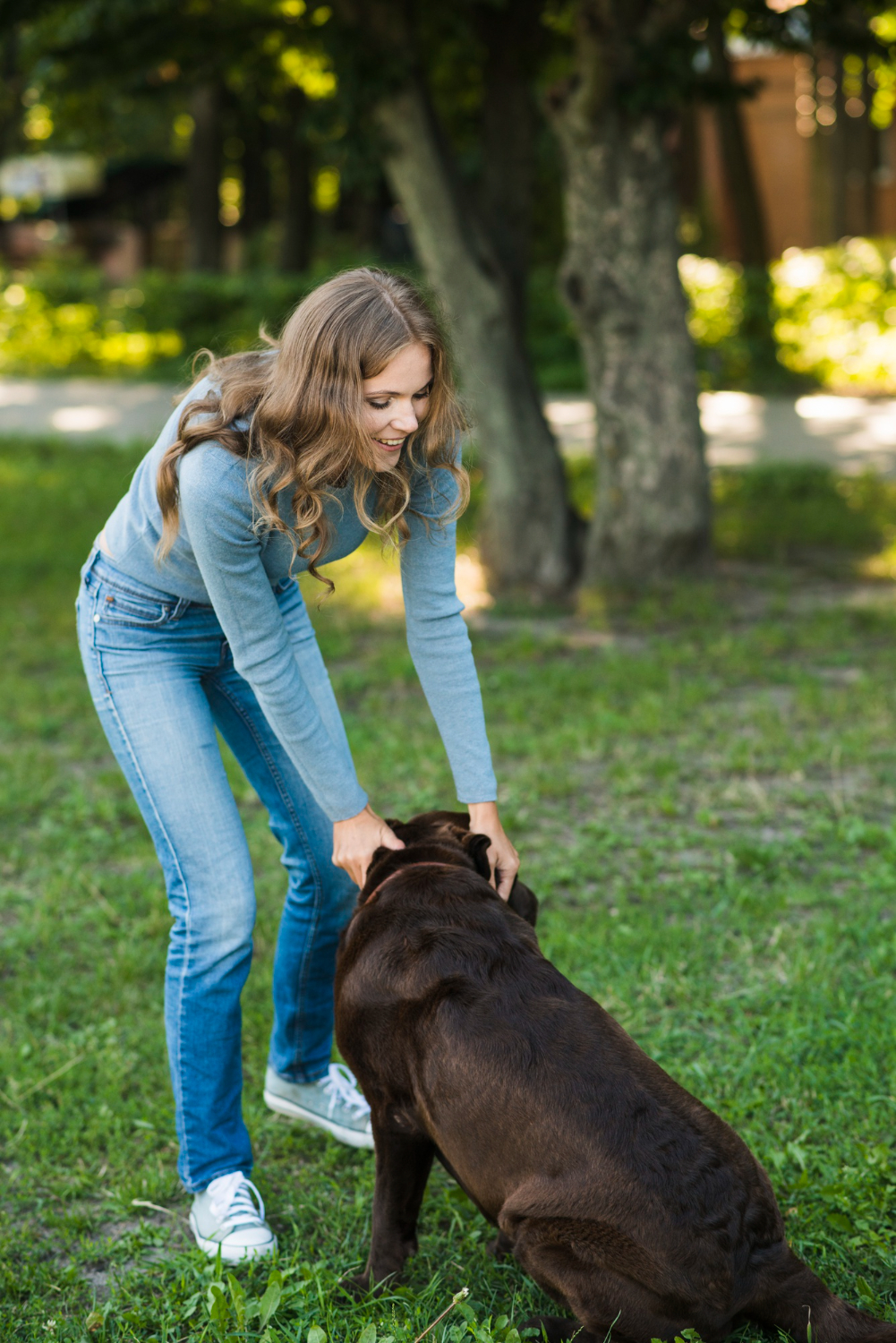
Combining Crate Training With Potty and Obedience Work
Understanding the Basics: Crate Training, Potty Training, and Obedience Training your dog successfully requires understanding three fundamental pillars that work together to create a well-behaved, confident companion. Crate training provides your dog with a secure, den-like space that satisfies their natural instinct for a safe retreat while giving you a…
-

Greeting Manners and Door Control: Using Crates Effectively
Understanding Crate Door Manners Teaching your dog proper crate door manners creates a foundation of safety and respect that extends far beyond the crate itself. When dogs learn to wait calmly at the crate door instead of rushing out the moment it opens, you establish clear boundaries that protect both…
Train Your Dog with Confidence
At Top Dog Training Tips, we make training simple, effective, and fun. Whether you’re teaching basic commands, solving behavioral issues, or strengthening your bond, our expert-backed guidance gives you the tools to succeed. Start training smarter today!
1. Basic Obedience & Commands
Master essential cues like sit, stay, come, and leash manners to improve communication and build a strong foundation for your dog’s training.
2. Behavioral Solutions & Anxiety
Address common issues such as barking, jumping, leash pulling, and anxiety with expert-backed strategies for a well-behaved and confident pup.
3.Advanced Training & Enrichment
Take training to the next level with fun challenges, agility exercises, and mental stimulation activities to keep your dog engaged and happy.

