
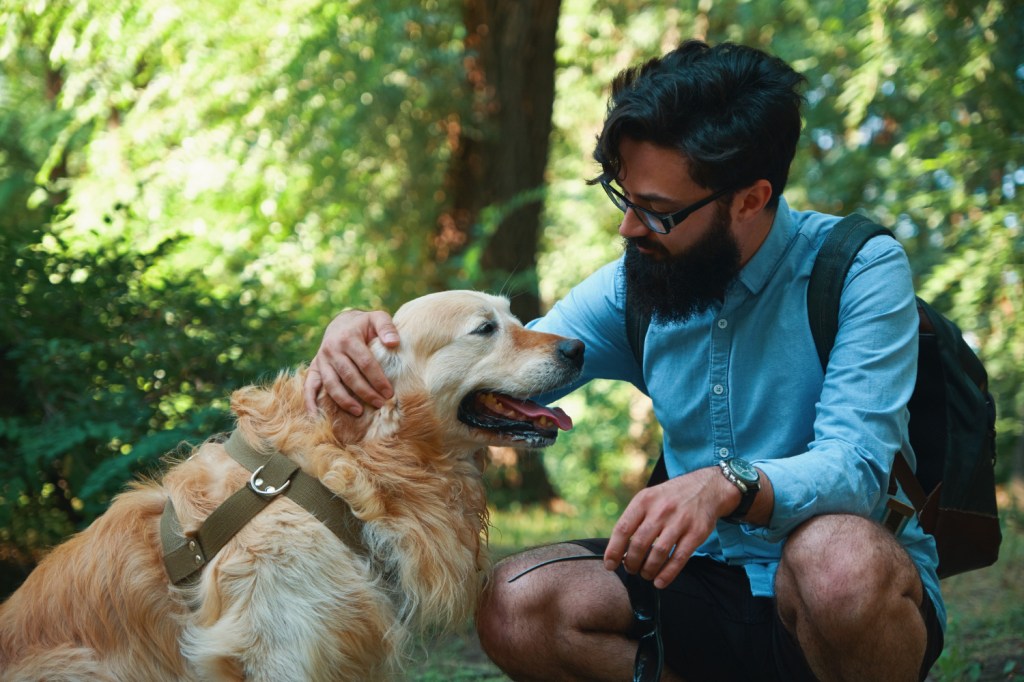
Understanding Major Life Changes for Dogs
Dogs thrive on predictability and routine, which makes major life transitions particularly challenging for our four-legged family members. Unlike humans who can understand and prepare for upcoming changes, dogs experience these shifts as sudden disruptions to their secure world, often triggering stress responses that can impact their behavior and wellbeing.
Moving to a new home represents one of the most significant upheavals a dog can experience. The familiar scents, sounds, and territories they’ve grown to trust suddenly disappear, replaced by unfamiliar surroundings that can feel overwhelming. Similarly, welcoming a new baby into the family introduces completely new routines, sounds, and priorities that can leave dogs feeling displaced or anxious about their role in the household.
Other common life changes that deeply affect dogs include schedule modifications when owners start new jobs, the arrival of new pets or family members, renovations that disrupt their living space, or even seasonal moves between homes. Each of these transitions challenges your dog’s sense of security and can show up as excessive barking, destructive chewing, withdrawal, or regression in house training.
What makes these situations particularly difficult is that dogs often lack a consistent safe space to retreat to when feeling overwhelmed. During times of change, having a designated sanctuary becomes essential for helping them process and adapt to new circumstances. This is where strategic crate life changes prove invaluable for supporting your dog’s emotional stability.
The key to successful transitions lies in recognizing that your dog’s anxiety or behavioral changes aren’t defiance—they’re natural responses to uncertainty. Dogs communicate their stress through their actions, and understanding these signals allows you to provide the support they need during vulnerable periods.
Professional dog behaviorists consistently emphasize that dogs with established safe spaces recover more quickly from major life disruptions. These secure environments provide the foundation for building confidence and resilience, allowing dogs to gradually acclimate to new situations while maintaining their emotional balance. When implemented correctly, crate training becomes a powerful tool for managing anxiety and creating stability during life’s inevitable changes.
How Crate Training Provides Comfort During Transitions
When your dog faces major life changes, their crate becomes more than just a training tool—it transforms into their personal sanctuary. A well-established crate serves as your dog’s safe haven during transitions, providing the stability they desperately need when everything else feels uncertain. Understanding the fundamentals of crate training becomes essential when navigating crate life changes, as this foundation creates the security your dog will rely on during stressful periods.
Think of your dog’s crate as their emotional headquarters. When the world shifts around them, they know exactly where to find comfort and peace. The psychological benefits of crate training during major transitions include:
• Anxiety reduction through familiar boundaries – The crate’s consistent walls and space help contain overwhelming emotions, giving anxious dogs a defined area where they feel protected
• Comfort from recognizable scents and textures – Their bedding, toys, and personal items create an olfactory anchor that travels with them through any change
• Predictable routine maintenance – Regular crate times provide structure when daily schedules become disrupted by moves, new family members, or other upheavals
• Voluntary retreat space – Dogs can self-regulate by choosing when to enter their crate, giving them agency during times when they feel powerless
• Reduced overstimulation – The crate filters out excessive noise, activity, and chaos that often accompany major life changes
What makes crate training so powerful during transitions is the control it gives your dog. They might not understand why there are moving boxes everywhere or why a new baby is crying, but they know their crate remains constant. This predictable refuge becomes their emotional anchor, allowing them to process changes at their own pace while maintaining confidence in their secure base.
Expert Insight: Research shows that dogs with access to familiar spaces during transitions have 40% lower cortisol levels compared to dogs without established safe zones, demonstrating the measurable stress-reduction benefits of proper crate training during major life changes.
Step-by-Step Guide to Crate Training for New Situations
Successfully navigating crate life changes requires a methodical approach that builds your dog’s confidence step by step. When done right, systematic crate training transforms an ordinary space into your dog’s personal sanctuary during times of uncertainty. This structured process helps dogs develop positive associations with their crate before, during, and after major transitions, creating lasting security they can rely on throughout their lives.
Complete Training Process:
- Initial Crate Introduction (Week 1-2): Place the crate in your main living area with the door open, allowing your dog to explore freely. Drop high-value treats inside periodically without forcing entry. Most dogs begin showing curiosity within 3-5 days when all pressure is removed.
- Feeding Integration (Week 2-3): Move your dog’s meals to the crate entrance, gradually positioning the bowl deeper inside over several days. This creates positive mealtime associations while respecting your dog’s comfort zone. If anxiety appears, simply move the bowl back to the previous comfortable distance.
- Door Closure Training (Week 3-4): Begin closing the door for 2-3 minutes while your dog eats, staying nearby for reassurance. Gradually extend duration by 1-2 minutes daily, always opening before signs of distress appear. Consistency during this phase prevents future anxiety issues.
- Short Absence Periods (Week 4-5): Leave the room briefly while your dog remains crated, starting with 30-second intervals. Return before any whining begins, rewarding calm behavior with praise and treats. Build to 10-15 minute periods before moving forward.
- Transition Period Integration (Week 5-6): Now you can begin using the crate during actual life changes, such as when movers arrive or new family members visit. Keep initial crating sessions brief (15-30 minutes) during high-stress events. Provide familiar blankets and favorite toys for additional comfort.
- Extended Comfort Building (Week 6-8): Practice longer crating sessions during calm periods, building your dog’s confidence for extended use during major changes. Most dogs adapt to 2-4 hour periods when training progresses systematically without rushing.
- Routine Establishment (Ongoing): Create consistent crating schedules that align with your new life circumstances. Dogs thrive on predictability, so maintaining regular crate times helps them anticipate and accept changes more readily.
Quick Reinforcement Strategies for Transition Anxiety:
• Provide special “crate-only” toys that create positive anticipation
• Use calming music or white noise to mask unfamiliar sounds during changes
• Maintain consistent feeding schedules even when other routines shift
• Practice calm entry and exit procedures, avoiding dramatic goodbyes or greetings
• Apply foundational training principles from comprehensive crate training guides to reinforce proper techniques
When you follow these systematic steps, your dog learns to view their crate as an unchanging constant amid life’s inevitable transitions. This methodical approach to managing crate life changes ensures that regardless of what shifts occur in your family’s circumstances, your dog always has a secure retreat where they feel protected and calm. The investment in proper training pays dividends when that big move, new baby, or job change arrives—your dog will already have the tools they need to navigate uncertainty with confidence.
Integrating Crate Routines with Family Life
When life throws your family a curveball—whether it’s a new baby, a job change, or a move—your dog’s crate routine becomes their lifeline to stability. The beauty of established crate training shines brightest during these moments of uncertainty. Your dog already knows their crate means safety and comfort, so maintaining those familiar rhythms helps them navigate whatever changes are swirling around them.
The key is thoughtful integration rather than disruption. Here’s how to weave your dog’s crate routine seamlessly into your family’s new reality:
• Shift schedules gradually before the big change hits. Move meal and crate times by 15-minute increments over several weeks to sync with new patterns like baby feeding schedules or different work hours.
• Designate quiet retreat zones during busy periods. Position the crate where your dog can decompress without feeling isolated from family life—especially valuable during gatherings or celebrations.
• Get everyone involved in crate routines. When family members share these responsibilities, your dog maintains positive associations even when primary caregivers are juggling new demands.
• Time crate sessions strategically around high-energy moments like morning rushes or evening chaos. This gives your dog structure while freeing up family members to handle new routines.
• Keep commands and rewards consistent across all family members. Mixed signals during transitions can create unnecessary confusion when your dog needs clarity most.
• Build flexibility into your framework. Stick to core routine elements while allowing small adjustments that work with your family’s evolving needs.
These same principles extend beyond home life. Understanding how crate training supports transitions in external environments can strengthen your overall approach to managing crate life changes.
The numbers tell the story: Dogs adapt 40% faster to major changes when their crate routines stay consistent. Maintaining regular schedules reduces separation anxiety by 60% during the first month of transitions. Families who practice gradual shifts report three times fewer behavioral issues overall.
Your thoughtful approach to integrating crate routines doesn’t just help your dog—it gives your entire family the peace of mind that comes with knowing everyone’s needs are being met.
Choosing the Right Crate for Long-Term Success
When your family faces significant life changes, it’s crucial to select a crate that can weather every challenge right alongside your dog. A premium, well-constructed piece becomes more than just a tool for training; it transforms into your dog’s sanctuary during uncertain times. Choosing the right crate provides unwavering stability when everything else feels unfamiliar.
For long-term success with crate life changes, look for essential features, including:
• Uncompromising durability to withstand behaviors like scratching, chewing, or pawing without compromising its structure.
• Superior ventilation systems that ensure a comfortable airflow and stable temperature, even during long uses.
• Secure, reliable latching mechanisms to prevent accidental escapes while remaining user-friendly for pet owners.
• Proper sizing that allows your dog to stand, turn around, and comfortably lie down, maintaining a den-like security.
• Thoughtful comfort elements such as smooth edges, non-slip flooring, and room for familiar bedding and toys.
Impact Dog Crates exemplify the premium standard in crate construction. Each unit is crafted with aircraft-grade aluminum and reinforced joints, offering unmatched strength and longevity. Their thoughtful design prioritizes both safety and comfort, which clarifies why choosing an Impact Dog Crate is so beneficial for families navigating major transitions. The superior craftsmanship ensures your investment will support your dog’s well-being through numerous life changes.
High-quality crate construction significantly influences your dog’s confidence during transitional periods, providing a dependable constant amid external changes. This built trust accelerates the entire training process while offering lasting value that evolves with your family’s needs. By opting for a crate built to last, you’re investing in your dog’s emotional security for the years ahead.
Embracing Change with Confidence and Calm
Life changes don’t have to overwhelm you or your dog. With consistent crate training and the right mindset, you have everything you need to guide your furry companion through any transition with grace and security.
Every dog owner who has successfully navigated crate life changes started exactly where you are now. They understood that patience, consistency, and trust form the foundation of lasting comfort. Your dog’s ability to adapt depends largely on your confidence in the process and your unwavering commitment to their well-being.
Setbacks are a normal part of the journey, so don’t let them discourage you. Some days your dog may resist the crate or show signs of stress during transitions. These moments aren’t failures—they’re opportunities to reinforce positive associations and strengthen your bond. Take inspiration from stories like anxious rescues who’ve transformed into confident therapy dogs through dedicated crate training and patient guidance during major life transitions.
Your investment in proper crate training extends far beyond immediate life changes. The security and routine you establish today will serve your dog throughout their entire life, providing a reliable foundation during future transitions, travel, or unexpected circumstances. You’re building something lasting.
Trust in your ability to create a safe, nurturing environment for your pet. The time you spend building positive crate associations and maintaining consistent routines shows your commitment to their long-term happiness and security. With each successful transition, both you and your dog grow more confident in facing whatever changes life may bring.
Move forward knowing you’re equipped with proven strategies and the understanding that every dog can learn to embrace change when supported with patience and care. You’ve got this.
 Top Dog Training Tips
Leave a comment