
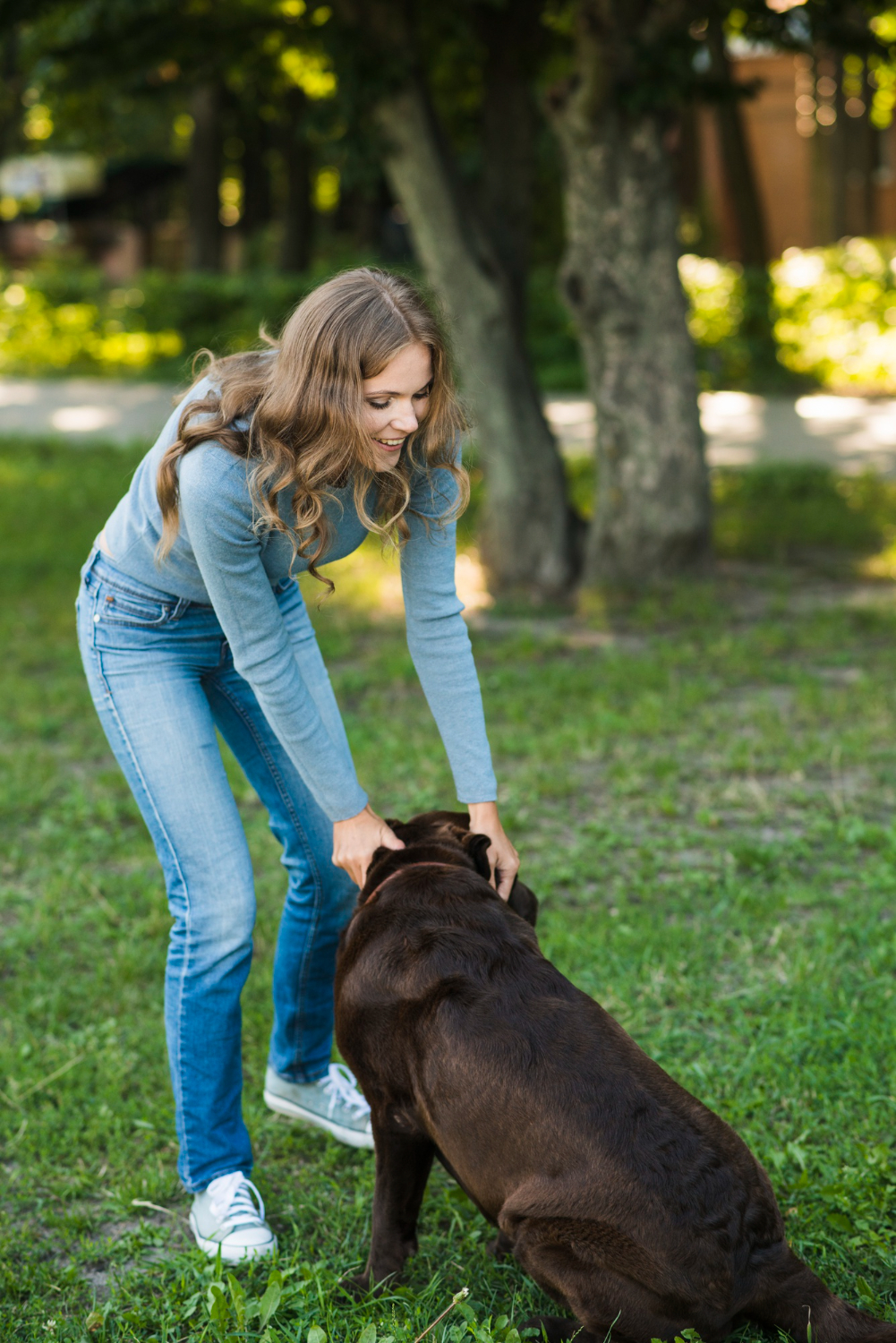
Understanding the Basics: Crate Training, Potty Training, and Obedience
Training your dog successfully requires understanding three fundamental pillars that work together to create a well-behaved, confident companion. Crate training provides your dog with a secure, den-like space that satisfies their natural instinct for a safe retreat while giving you a reliable management tool. Potty training establishes consistent elimination habits and helps your dog understand appropriate bathroom locations and timing. Obedience training builds the communication bridge between you and your dog, teaching essential commands that ensure safety and strengthen your bond.
These three elements interconnect in powerful ways that make each one more effective. A properly sized, comfortable crate naturally supports potty training because dogs instinctively avoid soiling their sleeping area. This clean space becomes the foundation for establishing reliable bathroom schedules and teaching your dog to signal when they need to go outside. Basic obedience commands like “sit,” “stay,” and “come” make crate training smoother by helping your dog understand expectations and respond to your guidance with confidence.
When you combine crate, potty, and obedience training, you’re not just teaching isolated behaviors. You’re creating a comprehensive framework that addresses your dog’s physical needs, mental stimulation, and emotional security all at once. The crate becomes more than confinement—it transforms into a trusted space where your dog can relax while learning important life skills. Potty training becomes less about managing accidents and more about building routine and clear communication. Obedience work evolves from simple commands to a shared language that deepens your relationship.
This integrated approach works because each element reinforces the others naturally. Your dog learns that structure actually provides freedom, consistency creates confidence, and clear expectations lead to praise and rewards. Think of it this way: a puppy who feels secure in their crate is more likely to hold their bladder, making potty training faster. That same puppy who knows “wait” will be easier to guide into their crate without stress or struggle.
The foundation you’re building here isn’t just about immediate training goals. You’re establishing habits and trust that will serve both you and your dog for years to come. Effective training isn’t about controlling behavior through force—it’s about creating an environment where good choices become natural and rewarding for your dog. Our comprehensive guide to crate training can help you start building that foundation with confidence.
Steps to Combine Crate Training with Potty and Obedience Work
Successfully combining crate, potty, and obedience training creates a unified approach that reinforces positive behaviors throughout your dog’s day. Rather than juggling three separate challenges, weaving them into one cohesive routine saves time while building stronger, more reliable habits. This comprehensive method helps your dog understand expectations clearly, creating the foundation for long-term success and a harmonious household.
1. Start with crate introduction and positive associations. Spend 3-5 days letting your dog explore their crate with the door open. Place treats, meals, and favorite toys inside to build positive connections. Use the command “crate” or “place” consistently, rewarding your dog each time they enter voluntarily. This foundation ensures your dog views the crate as their personal sanctuary, not punishment.
2. Establish a structured potty schedule tied to crate time. Take your dog outside immediately after releasing them from the crate, using a consistent command like “go potty.” Wait patiently for success, then offer enthusiastic praise and treats. Return to the crate for short periods between potty breaks, gradually extending the time as your dog demonstrates bladder control. This rhythm naturally connects crate time with bathroom breaks.
3. Introduce basic obedience commands during crate transitions. Before opening the crate door, ask for a “sit” or “stay” command. This teaches impulse control and reinforces that calm behavior gets rewarded with freedom. Practice these same commands during potty breaks and throughout daily activities. Your dog will quickly learn that good behavior unlocks the next positive experience.
4. Layer in feeding routines that support all three training goals. Feed meals inside the crate to strengthen positive associations while naturally extending crate time. After eating, immediately proceed to potty breaks, then practice basic commands like “sit” and “down” before free time. This sequence becomes second nature surprisingly quickly. For comprehensive guidance on advanced techniques and troubleshooting common challenges, our detailed crate training course provides expert strategies to accelerate your success.
5. Create predictable daily routines that reinforce training. Structure your dog’s day with consistent wake-up times, meals, potty breaks, and crate periods. Use the same commands and rewards throughout each routine. Dogs thrive on predictability, and knowing what comes next reduces anxiety while accelerating learning across all training areas.
6. Gradually increase expectations and independence. As your dog masters basic routines, extend crate times, add new obedience commands, and reduce treat frequency while maintaining praise. Practice having your dog wait calmly in the crate while you prepare for potty breaks. This builds patience and impulse control simultaneously, creating a more confident, well-behaved companion.
7. Troubleshoot setbacks by returning to previous successful steps. When accidents occur or obedience falters, temporarily increase supervision and return to more frequent potty breaks and shorter crate periods. Don’t get discouraged. Consistency in your response teaches your dog that rules remain the same regardless of circumstances.
This integrated approach typically produces noticeable improvements within 2-4 weeks when applied consistently. Trust that patience and persistence create lasting results. Each successful repetition strengthens your dog’s understanding, making these behaviors increasingly automatic. You’re building more than just house manners—you’re creating the reliable, well-mannered companion you’ve always wanted. Celebrate the small victories along the way, and remember that every dog learns at their own pace.
Choosing the Right Crate: Safety and Comfort Matter
Selecting the right crate creates the foundation for successful training, where safety and comfort directly determine how effectively your dog responds to learning. When your dog feels secure in their space, they naturally develop positive associations that speed up both house training and obedience work. A well-chosen crate becomes more than simple containment—it transforms into a trusted sanctuary that supports your dog’s overall development.
Several key factors guide smart crate selection:
• Safety features and construction quality — Look for secure, tamper-resistant latches, non-toxic materials, and smooth edges that prevent injury during excited moments or escape attempts
• Appropriate sizing for current and future needs — Choose dimensions that allow your dog to stand, turn around, and lie down comfortably without excess space that might encourage accidents
• Durability for long-term training success — Select materials and construction that withstand daily use, occasional stress, and your dog’s specific behaviors without compromising strength
• Proper ventilation and visibility — Ensure adequate airflow and sightlines that keep your dog comfortable while maintaining their connection to family activities
• Comfort elements and practical design — Consider flooring options, door placement, and interior space that accommodate bedding and toys while supporting easy cleaning
Impact Dog Crates exemplify these quality standards through safety-first engineering and premium materials built to last. Choosing a manufacturer with proven expertise in canine safety and comfort gives you confidence that your investment supports rather than hinders training progress. Understanding why the right manufacturer matters extends beyond initial purchase to long-term reliability and peace of mind.
The right crate selection pays dividends throughout your training journey. It provides the consistent, secure environment essential for potty training success and obedience development. When dogs trust their space completely, they respond more readily to routines, settle more quickly during rest periods, and develop the confidence that translates into better overall behavior. This foundation strengthens the bond between you and your dog while setting both of you up for lasting success.
Common Challenges and How to Overcome Them
Even the most dedicated dog owners hit roadblocks when working on crate, potty, and obedience training together. These challenges aren’t setbacks—they’re part of the journey. Every dog learns at their own pace, and your consistency and patience will make all the difference.
Excessive whining or barking in the crate: Start with shorter sessions and build up gradually. Make sure your pup has burned off energy and had a potty break before crating. Here’s the key: never open that crate door while they’re actively making noise. Wait for those quiet moments, even if it’s just a few seconds of silence, then reward them with freedom.
Accidents keep happening despite a solid schedule: Time to tighten things up temporarily. Shorten the intervals between potty breaks, then slowly stretch them out as your dog finds their rhythm. Clean any accidents with enzyme cleaners—regular cleaners won’t eliminate the scent that draws dogs back to the same spot. Pay closer attention to when they eat and drink to spot patterns you might have missed.
Your dog acts like they’ve never heard “sit” before: Break it down into baby steps. Reward any effort, even if they only halfway comply. Bring out the good treats—the ones that make their eyes light up—and keep sessions short but frequent. If they seem overwhelmed, go back to commands they know well before pushing forward.
Everything was going great, then suddenly it wasn’t: Regression happens, and it doesn’t mean you’re doing anything wrong. Scale back to basics: shorter crate times, more frequent potty breaks, simpler obedience expectations. This phase tests your consistency more than anything else, but pushing through pays off.
Juggling all three training areas feels impossible: Focus on one thing at a time, then start weaving them together. Try asking for a “sit” before opening the crate door—suddenly obedience becomes part of the routine. Understanding the full picture of crate training helps you see how these pieces connect.
Celebrate the small wins—a successful outdoor potty break, five minutes of quiet crate time, or nailing that “stay” command. These building blocks create something bigger: a confident, well-adjusted dog and the peace of mind that comes with knowing they’re safe, comfortable, and thriving.
Celebrating Success and Building a Long-term Routine
Recognizing every small victory in your crate potty obedience training journey strengthens the foundation for lifelong success. When your dog enters their crate willingly, eliminates in the designated outdoor area, or responds to a basic command, celebrate these moments with genuine enthusiasm and appropriate rewards. These acknowledgments build confidence in your dog while reinforcing the behaviors you want to see repeated.
Consistency transforms individual successes into reliable habits. Establish a daily routine that weaves all three training elements together naturally—morning crate release followed by immediate potty breaks and brief obedience practice works beautifully. This predictable sequence helps your dog understand expectations while reducing anxiety for both of you. Keep a simple training log to track patterns and spot areas that need extra attention. You’ll be surprised how helpful this becomes when troubleshooting challenges.
Long-term engagement means adapting your approach as your dog grows and learns. Gradually extend crate periods, introduce new obedience commands, and adjust reward systems to match your dog’s developmental stage. Our puppy training timeline offers valuable guidance for timing these progressions appropriately.
Your commitment to this integrated approach creates lasting bonds built on trust and mutual respect. Dogs thrive on routine and clear communication, so stick with your established schedule even when progress feels slow. Setbacks are completely normal—they’re part of the learning process, not signs of failure. Stay patient, remain consistent with your methods, and trust that your investment in proper training will yield a well-adjusted, confident companion who views their crate as a safe haven, not a restriction.
 Top Dog Training Tips
Leave a comment