
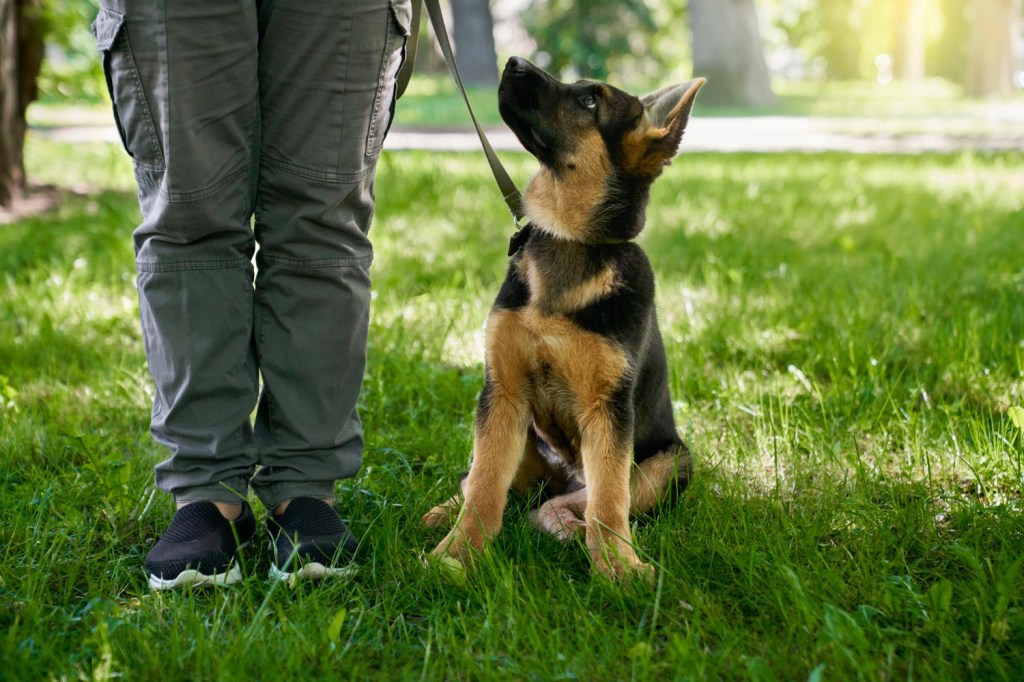
Understanding Crate Cues: The Foundation of Effective Dog Training
Crate cues training forms the backbone of a trusting, well-structured relationship between you and your dog. These verbal and visual signals create a predictable framework that helps your dog understand what’s expected while giving you reliable tools to guide their behavior in everyday situations.
Think of crate cues as specialized commands that tell your dog when to enter, exit, and settle in their crate space. Unlike basic obedience training, these cues address the fundamental safety and comfort needs that pop up daily in most households. When your dog masters these essential signals, something wonderful happens: they develop genuine confidence in their environment and begin viewing their crate as a secure personal retreat, not a place of confinement.
The magic behind effective crate cues training lies in consistency and positive reinforcement. Dogs are hardwired to seek structure and clear boundaries, which makes them surprisingly receptive to well-established routines. When you introduce cues systematically and reward the right responses, you’re building positive associations that grow stronger with each repetition. What might initially feel like restriction transforms into an opportunity for security and peaceful rest.
The best crate training tips emphasize timing and patience, recognizing that every dog learns at their own unique pace. This process builds mutual trust as your dog learns to respond reliably to your guidance, while you gain confidence in creating safe, comfortable spaces for your companion. These skills prove invaluable during emergencies, travel, or any time separation becomes necessary.
Understanding these fundamentals sets you up for success with the specific commands that will serve both you and your dog for years to come, creating a harmonious household built on clear communication and deep mutual respect.
The Key Cues Every Dog Should Master
Mastering specific crate commands creates the foundation for successful crate cues training and helps establish clear boundaries that ripple throughout your dog’s entire behavior system. When dogs confidently respond to consistent crate cues, they build the skills needed to respect household rules and follow direction in every aspect of their daily routine.
The essential cues every well-trained dog should master include:
- “Go to crate” or “Crate” – This primary command guides your dog to enter their crate willingly and calmly. It reinforces the crate as their personal safe haven while establishing your role in directing their movement when necessary.
- “Stay” or “Wait” – Once inside, this cue prevents your dog from immediately bolting back out. It builds patience and impulse control—skills that translate into better behavior throughout your home.
- “Settle” or “Down” – This command encourages your dog to lie down and relax rather than pace or whine. It promotes genuine calmness and helps your dog understand that crate time equals rest time.
- “Okay” or “Free” – A clear release word signals when your dog may exit the crate. This simple cue prevents door-dashing and reinforces that you make the decisions about movement and freedom.
- “Quiet” – This addresses excessive barking or whining, teaching appropriate crate behavior while maintaining household peace.
These commands work together beautifully through positive reinforcement crate training methods, building trust while creating structure. Each successful response strengthens your dog’s understanding of what’s expected, and consistent rewards through treats, praise, or play reinforce compliance. For step-by-step guidance on implementing these techniques effectively, check out our comprehensive crate training guide.
Regular practice with these crate training tips develops dogs who display excellent dog crate behavior and demonstrate improved obedience throughout your entire home. The result? The harmonious, trusting relationship every dog owner hopes to build.
How Crate Cues Enhance Safety and Comfort
When dogs understand exactly what’s expected of them through consistent crate cues training, something remarkable happens—they develop a deep sense of psychological security that comes from knowing their routine. Clear verbal and visual signals take away the guesswork, letting your dog move confidently through their day while understanding that their crate is always there as a reliable safe haven. This foundation of trust transforms the crate from simple containment into a genuine comfort zone where dogs naturally go to rest and recharge.
The safety and comfort benefits of mastering crate cues reach far beyond basic obedience:
• Reduced separation anxiety as dogs learn to see crate time as part of positive routines, not abandonment
• Enhanced self-regulation during overwhelming moments, giving dogs the skills to calm themselves
• Improved household safety by providing clear direction during emergencies or when guests arrive
• Better sleep quality as dogs develop consistent bedtime routines tied to familiar cues
• Decreased destructive behaviors when dogs have their own designated space to retreat and decompress
These benefits become especially important during situations that might otherwise overwhelm your dog. Thunderstorms, household chaos, or unfamiliar places all become more manageable when well-trained dogs can fall back on their crate training foundation to stay emotionally balanced. This preparation proves particularly valuable in scenarios like travel with reactive dogs, where familiar cues offer comfort when everything else feels uncertain.
For you as the owner, these cues create a more peaceful household where communication flows clearly both ways, deepening the trust and partnership that makes the best human-canine relationships truly special.
Impact Dog Crates: Choosing the Right Crate for Effective Training
The foundation of successful crate cues training starts with choosing a crate that prioritizes both comfort and security. Impact Dog Crates create an environment where dogs naturally respond to commands with confidence because they feel genuinely safe and settled in their space. When your dog trusts their crate, they become far more receptive to learning and following your guidance.
• Heavy-duty aluminum construction delivers the rock-solid stability that anxious or reactive dogs need to truly relax during training sessions
• Superior ventilation design keeps dogs comfortable and focused, even during longer crate periods
• Precision-engineered latching systems provide reliable security without complicated mechanisms that slow down your routine
• Multiple size configurations support natural denning instincts while giving dogs room to move comfortably
• Easy-clean surfaces maintain the fresh, welcoming environment that helps dogs form positive crate associations
These carefully crafted features amplify your positive reinforcement crate training efforts. Dogs who feel physically comfortable and emotionally secure respond more eagerly to verbal cues and build stronger connections between your commands and the behaviors you want to see. The solid construction eliminates annoying rattles or wobbles that can distract from your training sessions.
Quality matters when you’re building training habits that will last for years. Impact’s premium construction gives you the reliable foundation needed for consistent crate training and the calm, responsive dog crate behavior that strengthens your bond with your dog.
Strengthening the Dog-Owner Bond Through Crate Training
Trust forms the cornerstone of every meaningful relationship between dogs and their owners, and crate cues training creates powerful opportunities to build this essential foundation. When you consistently follow through on your crate commands with patience and positive reinforcement, your dog learns that you are reliable, predictable, and safe to follow.
The key to strengthening this bond lies in maintaining unwavering consistency with your training approach. Use the same verbal cues, hand signals, and rewards every time, ensuring your dog can confidently predict what comes next. This predictability reduces anxiety and builds confidence in both you and your pet. Think of every successful crate interaction as a deposit in your trust account with your dog.
Patience proves equally crucial during the training process. Some dogs embrace crate training immediately, while others need weeks to feel completely comfortable. Respect your dog’s learning pace without rushing or showing frustration. Celebrate small victories—your dog voluntarily entering their crate, remaining calm during longer periods inside, or simply approaching the crate without hesitation.
The long-term benefits of investing in proper crate cues training extend far beyond basic obedience. Well-trained dogs display greater confidence, reduced separation anxiety, and stronger problem-solving abilities. They trust their owners’ judgment and respond more readily to guidance in various situations, creating a partnership built on mutual understanding.Consider exploring comprehensive crate training strategies to maximize these relationship-building opportunities. Your dedication to consistent, patient training creates a lifetime of mutual respect and deeper connection with your canine companion.
 Top Dog Training Tips
Leave a comment