
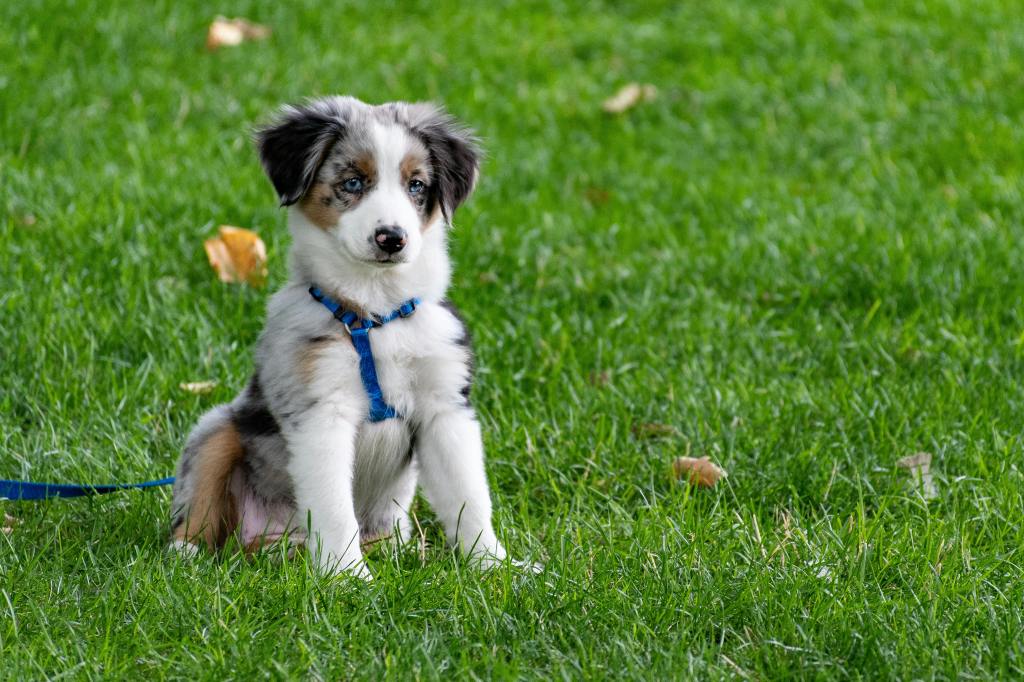
Understanding Leash Reactivity in Dogs
Leash reactivity occurs when dogs exhibit intense emotional responses to specific triggers they encounter while leashed—other dogs, people, vehicles, or sudden movements. Unlike aggression, reactivity stems from frustration, fear, or overstimulation rather than a desire to harm. Your dog may lunge, bark excessively, whine, or pull intensely toward or away from their trigger, creating stressful situations for both of you.
Several factors contribute to leash reactivity. Inadequate socialization during puppyhood, previous negative experiences, and genetic predisposition all play roles. Sometimes it’s simply the physical constraint of the leash itself. Many dogs develop what experts call “barrier frustration”—the inability to freely approach or retreat from a stimulus creates mounting tension that erupts into reactive behavior.
Recognizing early warning signs helps you address the issue before it escalates. Watch for subtle indicators like stiffening body posture, intense staring, or heavy panting without physical exertion. You might notice your dog attempting to hide behind you when triggers appear. More obvious signs include explosive barking, jumping, spinning, or redirecting frustration onto the leash itself.
The key distinction between reactivity and aggression lies in your dog’s underlying emotional state. Reactive dogs often display calm, relaxed behavior in environments where they feel secure and can retreat when needed. This understanding becomes crucial when developing effective strategies for managing leash reactivity that incorporate safe spaces and calming techniques.
Understanding your dog’s specific triggers, threshold distance, and body language patterns forms the foundation for successful intervention. Each reactive dog presents unique challenges, but with patience and the right approach—combining structured training with secure retreat options—you can help your companion build confidence and emotional regulation skills. This balanced strategy creates a pathway to more peaceful walks and deeper trust between you both, especially when your dog knows they have a safe haven to decompress after challenging training sessions.
The Role of Crate Training in Behavior Management
Crate training serves as a cornerstone of effective leash reactivity management, giving your dog a dedicated safe haven to decompress after challenging encounters. When your reactive pup returns from a stressful walk—perhaps after seeing another dog or encountering an unexpected trigger—having that familiar retreat becomes invaluable. It’s not just about containing your dog; it’s about offering them a place where they can genuinely relax and process what just happened.
Think of your dog’s crate as their personal reset button. After a reactive episode, your dog’s nervous system needs time to settle down. A well-established crate provides exactly that opportunity, creating essential space between the stressful experience and whatever comes next in their day.
The benefits of integrating crates into your behavior management strategy reach far beyond simple containment:
• Emotional regulation support – A properly introduced crate becomes a sanctuary where dogs naturally self-soothe and lower their stress levels
* Positive association building – Consistent pairing with treats, cozy bedding, and calm energy transforms the crate into a symbol of safety
* Structured recovery time – Scheduled crate sessions after training help dogs develop healthier coping mechanisms
* Household harmony – Appropriate space prevents ongoing stress from spilling over to other pets or family members
* Training reinforcement – Quiet time allows dogs to mentally process behavioral lessons without added stimulation
Success hinges entirely on how you introduce and maintain the crate experience. Dogs who genuinely associate their crate with comfort and security will naturally turn to this space for emotional regulation. Mastering proper crate training techniques ensures you’re building trust rather than creating new anxieties. Remember: patience and consistency are everything. Always pair crate time with positive experiences, never as punishment for reactive behavior.
When thoughtfully implemented, your leash reactivity crate approach creates a powerful partnership between active training and passive recovery. This balanced strategy gives your dog predictable structure and reliable emotional support, addressing both immediate behavioral challenges and long-term confidence building. The result? A comprehensive system that helps your reactive dog navigate their world with greater resilience and peace of mind.
Integrating Crate Time into Leash Reactivity Training
Successfully integrating crate time with leash training creates a powerful framework for managing your dog’s stress while accelerating real progress. Think of the crate as your dog’s personal reset button—a sanctuary where they can decompress after challenging encounters and process new experiences without pressure. This strategic pause prevents the overwhelm that derails so many training efforts.
Steps for Effective Integration:
- Pre-walk preparation: Give your dog 10-15 minutes of quiet crate time before heading out. This simple step establishes a calm baseline and takes the edge off that pre-walk excitement that often spirals into reactivity.
- Post-walk decompression: The moment you return, guide your dog straight to their crate for 20-30 minutes of uninterrupted rest. No interactions, no stimulation—just pure processing time to let positive experiences sink in.
- Read the room: After intense reactive episodes, your dog might need 45-60 minutes to fully settle. Successful walks with minimal triggers? Fifteen minutes could be plenty. Learn to adjust based on what you’re seeing.
- Make transitions smooth: Use your dog’s favorite treats and keep your energy calm when moving between crate and leash time. You’re building positive bridges between these two crucial training elements.
- Stick to the routine: Dogs thrive on predictability. Keep your crate-to-leash sequence consistent so your dog knows exactly what to expect and can mentally prepare for each phase.
- Let them lead the exit: Never rush your dog out of their crate. When they’re truly ready, they’ll show you—and that natural transition sets you both up for success.
Warning Signs Your Dog Needs Immediate Crate Time:
– Heavy panting or excessive drooling
– Complete inability to respond to familiar commands
– That tell-tale rigid posture with laser-focused staring
– Repetitive stress behaviors like pacing or whining
If crate training is new territory for you, take time to build that foundation first. Our comprehensive crate training guide walks you through everything you need to know before diving into this integrated approach.
This balanced method puts your dog’s mental well-being first while systematically chipping away at reactive behaviors. When you honor your dog’s need for processing time, you’re not just managing symptoms—you’re building genuine trust and creating the kind of lasting progress that transforms your relationship.
Choosing the Right Crate for Your Reactive Dog
The right crate serves as both a secure sanctuary and an effective training tool for leash reactive dogs, creating a foundation where your dog can decompress and develop positive associations. When managing leash reactivity, proper crate selection directly impacts your training success by providing a controlled environment that supports calming techniques and reduces overstimulation between training sessions.
Consider these essential criteria when selecting a leash reactivity crate:
• Size and space requirements – Choose a crate that allows your dog to stand fully, turn around comfortably, and lie down with legs extended. Avoid excessive space that might reduce the den-like security feeling your reactive dog craves.
• Material strength and durability – Select heavy-duty materials like reinforced steel or aluminum that can withstand stress behaviors such as pawing, chewing, or pushing without compromising safety. Reactive dogs often test boundaries, especially during anxious moments.
• Ventilation and airflow – Ensure adequate ventilation on multiple sides to prevent overheating during periods of anxiety while maintaining the enclosed feeling that promotes calm. Good airflow helps your dog settle more quickly.
• Visibility control options – Look for designs that allow you to adjust visibility with covers or positioning. This gives reactive dogs the option to retreat from visual triggers when needed, supporting their natural coping mechanisms.
• Easy maintenance and cleaning – Choose crates with removable trays and smooth surfaces that facilitate quick cleanup. During intensive training periods, maintaining a clean, comfortable space becomes even more important for your dog’s well-being.
• Secure latching systems – Prioritize robust locking mechanisms that provide confidence and security, preventing escape attempts during heightened stress moments. Your peace of mind matters as much as your dog’s safety.
These features work together to create an optimal environment for dog training with crate integration, transforming your dog’s crate into a trusted retreat that supports long-term behavioral progress. For reactive dogs who may exhibit heightened stress behaviors, selecting an escape-proof design ensures both safety and peace of mind throughout your training journey.
Implementing a Balanced Behavioral Strategy
Successful leash reactivity management thrives when crate training becomes the cornerstone of your comprehensive behavioral strategy. This powerful combination creates a stable foundation where your dog learns emotional regulation through structured crate time, while simultaneously building confidence for controlled leash experiences. When you integrate these approaches thoughtfully, you’re not just addressing surface behaviors—you’re nurturing your dog’s overall mental well-being and creating lasting behavioral change that benefits your entire household.
Your Step-by-Step Holistic Behavioral Plan:
- Establish consistent crate routines that provide 2-3 structured sessions daily, allowing your dog to decompress and reset their emotional state before and after challenging situations.
- Introduce controlled leash exposure gradually by starting with brief, positive sessions immediately after calm crate time when your dog’s stress levels are naturally lower.
- Perfect your positive reinforcement timing by rewarding calm behavior both in the crate and during leash work, creating clear connections between relaxation and rewards.
- Ensure consistency across all family members by establishing unified cue words, reward schedules, and expectations for both crate time and leash interactions.
- Monitor specific progress indicators including decreased whining in the crate, longer periods of calm during leash preparation, and reduced pulling intensity during walks.
- Adjust your approach based on your dog’s feedback—some days require more crate support while others allow for extended leash practice. Trust your dog to guide the process.
Key Insight: Dogs who receive structured crate sessions show 40% faster progress in leash reactivity training compared to those using leash-only approaches, demonstrating how foundational calm translates to outdoor success.
Remember that building trust through this balanced approach requires patience and celebrating every small victory along the way. Your dog’s progress may come in waves rather than straight lines, but each calm moment in their crate and each successful leash step builds toward long-term behavioral stability. Understanding fundamental crate training principles strengthens this integrated approach, ensuring your leash reactivity crate strategy develops on solid ground that prioritizes your dog’s comfort and your family’s peace of mind.
Building Long-Term Trust and Peace of Mind
The journey of combining leash reactivity crate training with consistent behavioral management creates profound, lasting changes that extend far beyond daily walks. When you commit to this balanced approach, you’ll witness a remarkable transformation in your dog’s confidence and your own sense of security during outings.
Success builds incrementally. Each positive experience reinforces the foundation of trust between you and your dog. The calming techniques that begin in the safety of your dog’s crate gradually translate to increased composure when facing challenging situations outdoors. This progression takes patience, but the long-term rewards are substantial: genuine peace of mind knowing your dog can handle various environments with greater emotional stability.
The Impact Dog Crates community consistently shares stories of dogs who once struggled with intense reactions now walking calmly past triggers that previously caused distress. These transformations happen because owners understood that sustainable change requires both structured training sessions and restorative crate time. The mental health benefits extend to both ends of the leash, as you regain confidence in your ability to provide effective leadership and support your dog’s overall wellbeing.
Your commitment to this comprehensive approach demonstrates the responsibility that defines exceptional dog ownership. The investment in quality crate training compounds over time, creating a reliable system for managing stress and maintaining emotional balance. When you prioritize consistent routines and safe spaces, you’re building the foundation for years of enjoyable walks together.
Every small victory contributes to the larger goal of harmonious companionship, where both you and your dog can navigate the world with confidence and mutual trust.
 Top Dog Training Tips
Leave a comment