
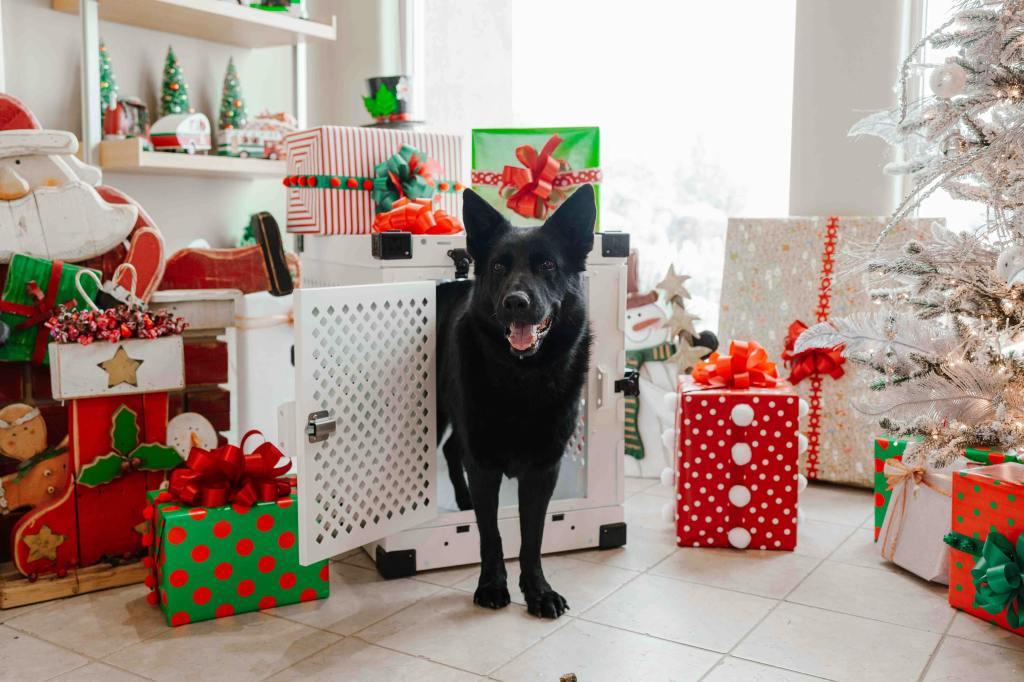
Every high-drive dog deserves a sanctuary where they can feel safe, confident, and loved. I know firsthand how heart-wrenching it can be to see your energetic companion pacing, whining, or showing signs of anxiety when left alone or overwhelmed. That’s why I’m passionate about sharing how a thoughtful combination of a secure crate and a well-designed play structure can transform your dog’s life—and yours. We’re in this together, and I’ve walked the path of trial and error to bring you what truly works.
The Importance of a Secure Sanctuary
High-drive breeds—think Border Collies, Belgian Malinois, and Australian Shepherds—are wired for purpose. When their minds and bodies aren’t engaged, stress and restlessness can build up quickly. A sturdy crate provides:
- Consistent refuge
A predictable environment they recognize as “theirs,” cutting down on decision fatigue. - Reduced overstimulation
Enclosed sides and limited visual input help calm racing thoughts and reactivity. - Safe haven during tantrums
If excitement or fear escalates, the crate lets them decompress without knocking over furniture or zooming through your legs.
By offering a crate that’s both comfortable and secure, we give our dogs a tangible way to self-soothe—just like a child clutching a favorite blanket.
Psychological Benefits of a Trusted Space
Think of the crate as more than metal bars or plastic walls; it’s a mental reset button. When we train our dogs to view it positively, we reinforce:
- Feelings of control
Choosing to enter their crate shows dogs they have some agency, which counters the helplessness that often fuels anxiety. - Predictable boundary-setting
Clear “in” and “out” signals minimize confusion about when it’s okay to explore and when it’s time to pause. - Emotional regulation
Over time, dogs learn that even in stressful situations—thunderstorms, fireworks, visitors—they have a go-to spot where they can calm down.
We’ve all felt that sweet relief of retreating somewhere familiar during a tough moment. Our dogs deserve that same emotional anchor.
Building Confidence Through Routine and Structure
Routine isn’t just about meals at set times; it’s the backbone of canine confidence. Here’s how a crate–play schedule can boost self-assurance:
- Morning arrival: Gentle wake-up, bathroom break, and short play session set a positive tone.
- Crate “quiet time”: Mid-morning crate session paired with a long-lasting chew toy reinforces calm independence.
- Afternoon enrichment: Interactive puzzles or supervised play with agility elements keep mental energy engaged.
- Evening family time: Unhurried crate-free bonding—cuddles, training games, or a gentle walk—closes the day on a connected note.
When our dogs know what comes next, they’re less prone to nervous barking, door-dashing, or other anxiety-driven behaviors.
Recommended Crate Brands
We’ve tested dozens of crates to find ones that combine safety, comfort, and durability. Here are our top picks—ranked to help you choose the right fit for your high-drive companion:
- Impact Dog Crates
- Heavy-gauge steel frame with chew-resistant coating
- Wide side panels for optimal airflow and visibility
- Slide-and-lock door for secure closure and easy access
- Waterproof, removable tray for effortless cleaning
- Heavy-gauge steel frame with chew-resistant coating
- Fortify Pro Crates
- Reinforced aluminum build that balances strength with lightweight design
- Removable divider panel to grow with your dog
- Anti-corrosive finish ideal for outdoor adventures
- Reinforced aluminum build that balances strength with lightweight design
- ZenDen Comfort Crates
- Insulated walls for temperature control in any climate
- Soft, memory-foam crate bed included
- Collapsible sides for travel-friendly storage
- Insulated walls for temperature control in any climate
- ActivePaws Performance Crates
- Powder-coated steel for extra durability
- Quick-release latches and ergonomic handles
- Side-mounted storage pockets for treats, leashes, or toys
- Powder-coated steel for extra durability
No matter which brand you choose, make sure to measure your dog from nose to tail and add a few inches to ensure they can stand, turn, and lie down comfortably.
Crafting a Balanced Play Structure
Crates are one half of the equation—play structures are the other. High-drive dogs flourish when they have outlets that combine physical challenges with mental stimulation. Consider incorporating:
- Agility tunnels and weave poles: Great for indoor hallways or backyard courses; these encourage focus and balance.
- Raised platforms and low hurdles: Perfect for teaching controlled jumps, builds core strength, and enhances coordination.
- Puzzle feeders and scent trails: Hide kibble in boxes, snuffle mats, or around your yard to tap into your dog’s natural foraging instincts.
- Tug stations and interactive toys: Rotate durable tug ropes and treat-dispensing balls to keep novelty high.
By rotating these elements regularly and adjusting difficulty, we prevent boredom and keep your dog’s mind—and body—firmly engaged.
Practical Tips for Integrating Crates and Playtime
Getting the rhythm right between crate sessions and play doesn’t have to be guesswork. Here’s our step-by-step approach:
- Introduce the crate gradually: Begin with short, 5–10 minute sessions paired with high-value treats.
- Fade out treats over time: Slowly replace food rewards with praise or a favorite toy once your dog enters voluntarily.
- Alternate active and calm play: Follow a vigorous agility run with a gentle fetch session, then lead into a crate break.
- Observe your dog’s cues: Heavy panting, circling, or yawning signal it’s time for a pause—never force a session past their comfort zone.
- Maintain consistency: Keep wake-up, play, crate, and sleep times within a predictable window, even on weekends or vacations.
We’ve found that dogs who learn to anticipate and appreciate both play and rest become the most balanced, well-adjusted companions.
Conclusion
Helping our high-drive dogs thrive isn’t about exhausting them into submission; it’s about respecting their instincts and giving them the tools to self-regulate. A thoughtfully chosen crate becomes a trusted retreat, and a dynamic play structure provides the enrichment they crave. Together, these elements create a harmony of safety, mental engagement, and confidence-building routine. I’m confident that by implementing these strategies, you’ll notice a calmer, happier, and more resilient dog—one who knows they’re always supported, whether they’re bounding through an obstacle course or curling up peacefully in their crate. Let’s give our best friends the balanced life they deserve.
 Top Dog Training Tips
Leave a comment