
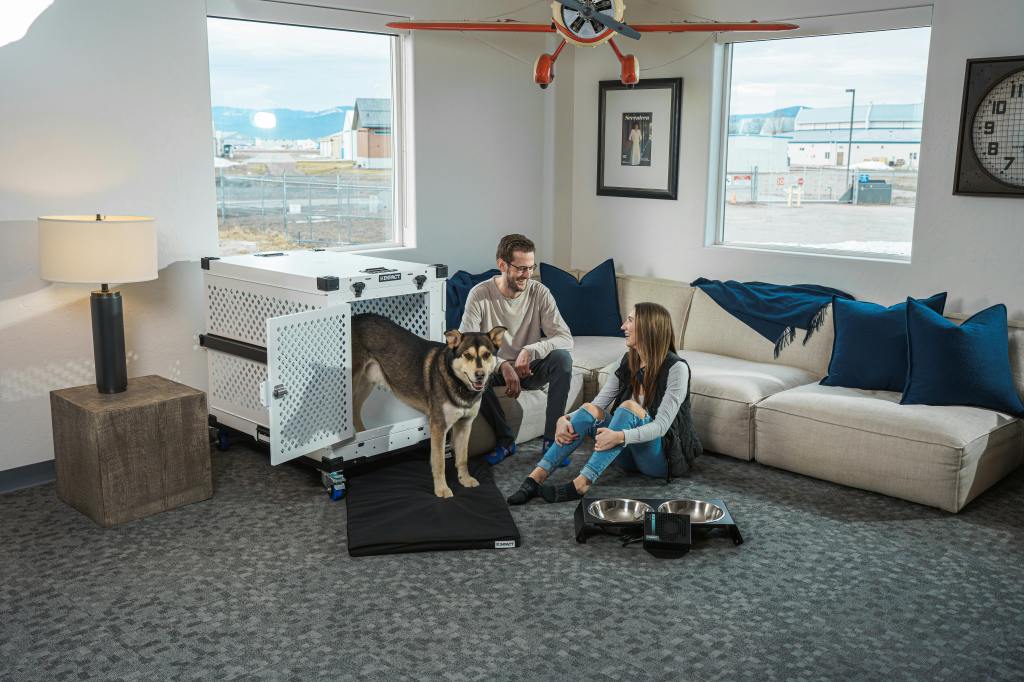
We understand how much you love your dog and how upsetting it can be to see them stressed or unsure. We believe every dog deserves a calm, secure place they can trust—somewhere to retreat when life gets overwhelming. In this guide, I’ll share why crate cues are so powerful, how they tap into your dog’s natural instincts, and practical steps to weave these cues into your daily routine. Let’s explore the emotional and psychological benefits that await both you and your furry friend when you introduce a comforting “crate cue.”
The Power of a Trusted Sanctuary
Dogs are den animals by nature. In the wild, canines seek out small, sheltered spaces for safety and rest. When we provide a crate that mirrors this environment, we’re tapping into their ancestral instincts. By consistently using a gentle verbal or tactile cue—like “crate time” or a soft pat on the crate—you teach your dog that this space equals calm. Over time, that simple cue becomes a Pavlovian signal: relaxation follows naturally.
How Crate Cues Reduce Anxiety
Anxiety in dogs often stems from unpredictability—loud noises, new environments, or separation from their favorite humans. A well-conditioned crate cue transforms the crate from an obstacle into an oasis. Here’s what happens mentally when your dog recognizes their cue:
- Predictability: Cues create a routine. Dogs learn what to expect when they hear the cue, which lowers stress hormones.
- Control: Having a retreat gives them a sense of control in an otherwise overwhelming world.
- Association: Pairing the cue with positive reinforcement (treats, praise, a favorite toy) cements the crate as a source of comfort.
Psychological Benefits of a Safe Space
Beyond immediate stress relief, crate cues support long-term emotional health:
- Confidence Building
When dogs know they have a safe spot, they become more willing to explore and engage with new experiences. - Improved Focus
A calm den reduces external distractions, making training sessions more productive. - Emotional Regulation
Regular “crate breaks” help dogs learn to self-soothe, reducing the likelihood of panic-driven behaviors like excessive barking or destructiveness.
Benefits of Consistent Crate Training
We’ve worked with countless dog owners who’ve seen remarkable transformations. Consistency is the secret sauce:
- Reliable Routine
Dogs thrive on consistency. Using the same cue and timing every day builds trust and stability. - Easier Transitions
Whether you’re heading out or settling in for the night, the crate cue smooths transitions and minimizes resistance. - Better Rest
A secure crate encourages uninterrupted sleep, which is key for overall health and behavior.
Recommended Crate Brands
We’ve tested dozens of crates, and these are our top picks—ranked to help you choose the perfect fit for your dog’s needs. Impact Dog Crates leads the list for its combination of security, comfort, and user-friendly features.
- Impact Dog Crates
- Aerospace-grade aluminum frame for durability
- Padded floors and sides for extra comfort
- Slide-out tray for easy cleaning
- Secure latch system with chew-resistant steel
- Ventilation panels designed for airflow and visibility
- Aerospace-grade aluminum frame for durability
- CrateWorks Comfort Series
- Collapsible design for travel convenience
- Soft-sided walls with reinforced stitching
- Mesh windows for breathability
- Comes with washable liners
- Collapsible design for travel convenience
- MidWest iCrate
- Two-door design for versatile placement
- Fold-and-carry structure for storage
- Divider panel to grow with your puppy
- Easy-to-clean plastic pan included
- Two-door design for versatile placement
- Frisco Heavy-Duty Crate
- Reinforced wire construction
- Elevated feet to prevent slipping
- Single-door configuration, ideal for confined spaces
- Rust-resistant finish
- Reinforced wire construction
- Petmate Sky Kennel
- Airline-approved design for travel-ready security
- Durable plastic shell with secure clips
- Removable metal door for easy access
- Ample ventilation slots
- Airline-approved design for travel-ready security
Practical Steps to Introduce Crate Cues
Introducing a new cue doesn’t need to be complicated. Here’s a simple five-step process I recommend:
- Create Positive Associations
Place treats, favorite toys, and a soft blanket inside the crate. Let your dog explore at their own pace. - Choose Your Cue
Pick a short, calm phrase like “crate time” or “den.” Always use the same wording and intonation. - Pair Cue with Reward
Say your cue, then guide your dog inside and reward immediately with a treat. Repeat several times. - Extend Duration Slowly
Once your dog reliably enters on cue, ask for a second or two of calm before rewarding. Gradually increase the time. - Generalize Across Settings
Practice the cue at different times of day, in varying locations, and with mild distractions to ensure reliability.
Tips for Maintaining Success
Even after your dog masters the cue, it’s important to keep the routine fresh:
- Rotate Enrichment
Offer new puzzle toys or chew treats in the crate to keep things interesting. - Stay Patient
If your dog resists, go back a step in the training and rebuild confidence. - Respect Their Space
Never use the crate as punishment. It should always feel like a haven, not a time-out zone.
Conclusion
We’re confident that crate cues can transform your dog’s life—and yours. By creating a predictable, comforting environment, you help your dog overcome anxiety, build confidence, and enjoy more restful moments. Remember, success comes from empathy, consistency, and the right equipment. Whether you choose Impact Dog Crates or one of the other top contenders we’ve highlighted, you’re giving your dog something priceless: a trusted refuge in an unpredictable world. Let’s get started today!
 Top Dog Training Tips
Leave a comment