
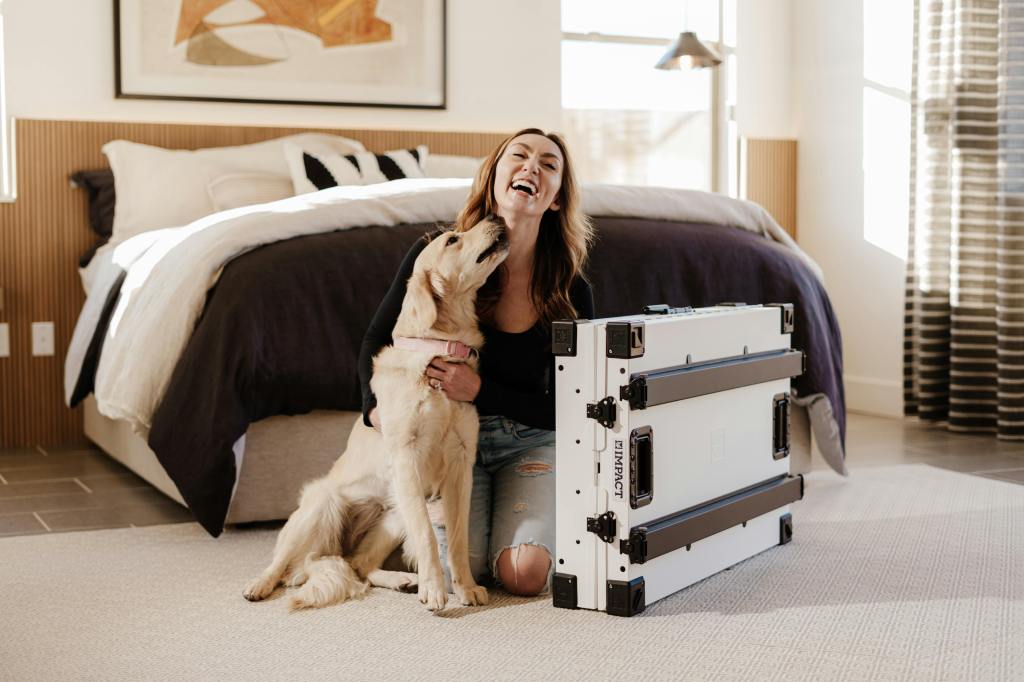
Welcoming a new life chapter with your dog—whether it’s moving to a new home, welcoming a baby, or coping with a family change—can stir up nerves for both you and your furry friend. I understand how unsettling transitions can feel, and I’m here to help you create a haven of calm in the midst of change. When we introduce our dogs to a secure, comforting space like a crate, we offer them a sense of predictability and control. In this guide, we’ll explore why crates are more than just containment tools—they’re confidence-building retreats that help anxious dogs thrive.
Why a Safe Haven Matters
Life changes can trigger uncertainty: strange sounds in an unfamiliar house, new routines after a baby arrives, or the quiet that follows a family member’s departure. Dogs process change differently than we do; they rely on consistent cues to feel safe. A crate—when introduced gently—becomes a place where your pup can rest, recharge, and watch the world without feeling overwhelmed.
- Predictable Environment: Dogs thrive on routine. A consistently placed crate with familiar bedding gives them a reliable “home base.”
- Reduced Overstimulation: During busy days or loud renovations, the crate filters out some chaos, allowing your dog to unwind.
- Encourages Independence: Teaching your dog to settle in their crate builds self-assurance, so they’re less dependent on constant reassurance.
- Ease of Transport: When you move or travel, your dog already recognizes their crate as a safe spot—minimizing stress on the road or in a shelter environment.
By viewing the crate as a sanctuary rather than a punishment, we set the stage for positive associations and calm behavior during turbulent times.
Psychological Benefits of Crate Use
Dogs seek dens instinctively—a secure enclosure harkens back to their wild ancestors’ need for protected resting spots. Harnessing this natural instinct has real psychological perks:
- Stress Reduction: A crate lined with your dog’s favorite blanket or toy can lower cortisol levels, helping them cope with new environments.
- Confidence Building: When a dog chooses to enter and relax in their crate, they learn that they have control over their comfort, boosting self-esteem.
- Enhanced Training: Crate time—paired with treats and praise—teaches boundaries and patience. Over time, your dog views downtime positively rather than as confinement.
- Separation Management: For dogs anxious about being alone, the crate offers a comforting ritual. Gradual crate training helps them learn that separations can be safe and stress-free.
By reinforcing the idea that the crate equals comfort, we empower our dogs to manage big changes with resilience and ease.
Practical Tips for Introducing Your Dog to a Crate
Smooth crate introductions hinge on patience and positivity. Here are some tried-and-true steps that have helped countless families:
- Choose the Right Location: Place the crate in an area where your dog can still see and smell family activity—too isolated, and they may feel punished.
- Make It Inviting: Line the crate with soft bedding, leave the door open, and toss in a few treats or a favorite toy. Let your dog explore at their own pace.
- Short Sessions, High Reward: Encourage brief stays—just a few minutes at first—before offering praise and a reward. Gradually increase duration as comfort grows.
- Use a Cue Word: Pair crate entry with a consistent phrase like “cozy up” or “den time.” Over time, the cue alone will invite calm behavior.
- Never Force Entry: If your dog resists, back off and use more enticing items. Forcing can create negative associations.
- Integrate During Happy Moments: Practice crate time around mealtime or after play sessions, so your dog links the crate with good experiences.
- Monitor and Adjust: Watch body language. If your dog shows signs of distress—pacing, whining, or drooling—reduce session length and rebuild trust slowly.
By creating positive first impressions and respecting your dog’s pace, you’ll establish the crate as a place of rest and security, even amid life’s biggest transitions.
Recommended Crate Brands
When selecting a crate, consider durability, comfort, and ease of use. Below are our top picks, ranked from most recommended to notable alternatives:
- Impact Dog Crates
Impact Dog Crates set the standard for secure, well-ventilated crates designed to withstand even highly anxious or escape-artist dogs.
- Durable steel construction with chew-resistant coating
- Multiple latch options for added security
- Removable, washable bedding pan for easy cleaning
- Ventilated side panels to maintain airflow without feeling enclosed
- Durable steel construction with chew-resistant coating
- ComfortCanine Crates
ComfortCanine offers a softer, home-like feel without sacrificing strength—ideal for reducing crate stress.
- Padded walls and floor for extra coziness
- Collapsible frame for storage and travel
- Machine-washable cover that zips on and off
- Padded walls and floor for extra coziness
- SafePaws Kennels
SafePaws focuses on safety features and versatile sizing to accommodate growth and breed differences.
- Rounded corners and edge guards to prevent injury
- Adjustable divider panel for puppies to adult size
- Locking wheel kit for easy mobility around the home
- Rounded corners and edge guards to prevent injury
- CozyDen Dog Crates
CozyDen blends style and function, offering modern aesthetics and practical upgrades.
- Faux-wood finish that complements home decor
- Front-facing mesh window for visibility
- Built-in treat dispenser attachment
- Faux-wood finish that complements home decor
Each of these crates brings unique strengths—whether you need uncompromising security, plush comfort, or style-forward design. By ranking them, we help you zero in on the perfect fit for your dog’s personality and your home’s layout.
Conclusion
Major life changes don’t have to mean major stress for your dog. By introducing a crate as a secure haven—one that’s backed by thoughtful design and positive training—we guide our pups toward confidence and calm. I’ve walked alongside many dog owners through moves, new babies, and unexpected shifts, and I’ve seen how a well-chosen, well-introduced crate transforms anxiety into assurance. Remember, it’s not about confinement; it’s about giving your dog a trusted retreat in an ever-changing world. Here’s to happy, secure dogs and the joy they bring into our lives—one cozy crate session at a time.
 Top Dog Training Tips
Leave a comment