
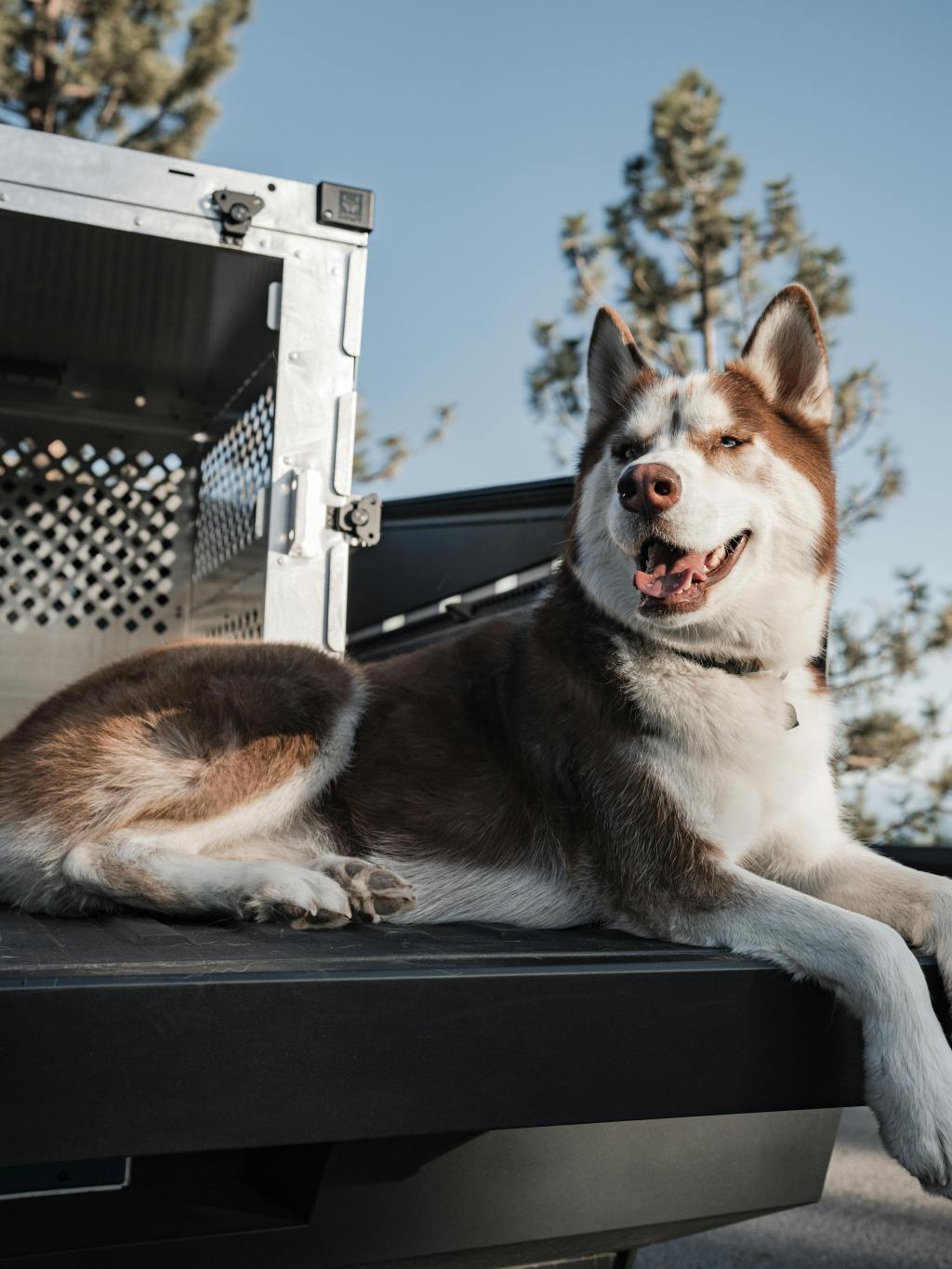
When we first brought home our anxious pup, leash walks often felt like a battle of wills. Pulling, lunging, and erratic starts made every outing more stressful—for both of us. Over time, however, I discovered that a secure, comforting environment at home—a crate—became a powerful foundation for calmer, more confident leash manners. When dogs feel safe and understood, they’re far more receptive to learning and cooperation.
In this landing page, we’ll explore why crating isn’t just a containment strategy—it’s an essential tool for reducing anxiety, building trust, and ultimately improving leash behavior. We’ll share psychological insights, practical steps for integrating crating into your training routine, and our top recommended crate brands so you can choose the perfect fit for your dog.
How a Secure Space Builds Confidence
Creating a “den” environment taps into a dog’s natural instincts. Wild canines seek enclosed spaces to rest and recuperate, knowing that these spaces protect them from potential threats. When we provide our pets with a crate that’s just their size—cozy yet roomy enough to stand and turn around—they feel grounded.
- Predictable Environment: Dogs thrive on routine. A crate with consistent placement and a familiar blanket signals “this is my spot,” reducing uncertainty.
- Safe Retreat: After a stimulating walk or play session, a quiet crate allows dogs to decompress without looming household distractions.
- Control and Autonomy: Allowing dogs to enter and exit on their own terms reinforces confidence. They choose to “opt in” for rest, which translates to more willing participation during leash training.
By reinforcing the crate as a positive, self-directed haven, dogs learn that resting isn’t a punishment. Over time, that sense of security bleeds into other areas—like leash walking—where confidence can replace nervous tension.
Psychological Benefits of a Trusted Crate
Beyond the physical comfort, crates offer deep mental health advantages:
- Reduced Cortisol Levels
Studies have shown that enclosed rest spaces can lower stress hormones in dogs. Less cortisol means fewer stress-induced behaviors, such as pulling or darting on the leash. - Enhancement of Focus
A well-rested, relaxed dog is more attentive. When dogs aren’t battling internal anxiety, they respond more readily to leash cues like “heel” and “sit.” - Positive Association with Training
By pairing crate time with treats, chew toys, or gentle praise, dogs view both crating and training as enjoyable experiences. This association diminishes resistance during leash sessions.
When dogs associate calm moments in their crate with positive feelings, they carry that sense of relaxation into the world beyond. A dog who knows rest and reward await at home is less likely to turn every walk into a survival mission.
Practical Steps to Integrate Crating and Leash Training
- Create a Crate Routine
- Introduce the crate gradually: start with short, treat-filled sessions.
- Keep the door open initially so your dog associates the crate with freedom, not confinement.
- Establish regular “crate breaks” for meals, naps, and quiet time.
- Introduce the crate gradually: start with short, treat-filled sessions.
- Pair Crate Time with Calmness
- Offer a favorite chew toy or gentle puzzle feeder inside the crate.
- Use a soft voice to praise your dog when they enter willingly.
- Avoid “using” the crate as immediate correction after misbehavior—this helps maintain its positive image.
- Offer a favorite chew toy or gentle puzzle feeder inside the crate.
- Leash Practice After Crate Time
- Once your dog has enjoyed at least 15–20 minutes of calm crate downtime, buckle up the leash for a short, focused walk.
- Begin indoors or in a low-distraction environment, using treats to reinforce walking beside you.
- Gradually increase duration and introduce outdoor settings as confidence grows.
- Once your dog has enjoyed at least 15–20 minutes of calm crate downtime, buckle up the leash for a short, focused walk.
- Consistent Cueing and Rewards
- Use the same verbal cue (e.g., “Let’s walk”) each time you leash up.
- Offer high-value rewards—small, soft treats or quick praise—immediately for walking without tension.
- If pulling occurs, stop and wait for slack in the leash before moving forward again, reinforcing that praise-worthy behavior.
- Use the same verbal cue (e.g., “Let’s walk”) each time you leash up.
- Transition Back to the Crate
- After the walk, always guide your dog back to the crate for a brief recovery period.
- This bookends the exercise with moments of calm and security, reinforcing the crate’s role in the routine.
- After the walk, always guide your dog back to the crate for a brief recovery period.
By weaving crate time into the rhythm of your training sessions, you’re not simply “locking up” your dog—you’re providing structure, predictability, and the mental space they need to succeed.
Recommended Crate Brands
We understand that choosing the right crate is crucial. Below are our top picks, ranked to help you find the ideal match for your dog’s needs. Impact Dog Crates takes our #1 spot for its thoughtful design and versatility.
- Impact Dog Crates
Our most recommended option, prized for durability and comfort.
- Heavy-Duty Aluminum: Lightweight yet rugged for indoor and travel use.
- Customizable Interior: Removable divider panels to adjust size as your puppy grows.
- Ventilation and Visibility: Strategic vent placement offers airflow without compromising privacy.
- Secure Latches: Increased latch points to prevent accidental escapes.
- Heavy-Duty Aluminum: Lightweight yet rugged for indoor and travel use.
- Gunner Kennels
Top choice for extreme durability and weather resistance.
- Rotomolded polyethylene for impact absorption.
- Locking “Triglide” latch system for extra security.
- Interlocking rubber gasket for a water-resistant seal.
- Rotomolded polyethylene for impact absorption.
- Ruff Land Kennels
Best value for sturdy, all-season kenneling.
- Thick, reinforced plastic walls.
- Heavy-duty spring-loaded pin for leakproof assembly.
- Elevated floor design keeps pets off chilly surfaces.
- Thick, reinforced plastic walls.
- Frisco Heavy-Duty Fold & Carry
Ideal for everyday home use with foldable convenience.
- Bolt-free assembly with slide-in panels.
- Padded foam bolster bed included.
- Dual doors for versatile placement.
- Bolt-free assembly with slide-in panels.
- MidWest Homes for Pets iCrate
Budget-friendly and adaptable wire crate.
- Collapsible metal design for easy storage.
- Slide-bolt latches keep the door securely closed.
- Removable plastic pan for quick cleanup.
- Collapsible metal design for easy storage.
Each of these brands brings its own strengths—whether you need something ultra-strong for travel, a cozy home retreat, or an affordable starter crate. We encourage you to consider your dog’s size, temperament, and lifestyle when deciding.
Conclusion
Crating, when done thoughtfully, isn’t about limiting freedom—it’s about offering your dog a stable, reassuring home base. When dogs know they have a safe place to retreat, their anxiety lessens, focus sharpens, and they approach leash training with newfound confidence. By combining consistent crate routines with structured leash practice and choosing one of our top-recommended crate brands—especially Impact Dog Crates—you’ll set both yourself and your dog up for lasting success on every walk. We’re here to support you every step of the way, celebrating every calm, controlled, and joyful outing you share with your best friend.
 Top Dog Training Tips
Leave a comment