
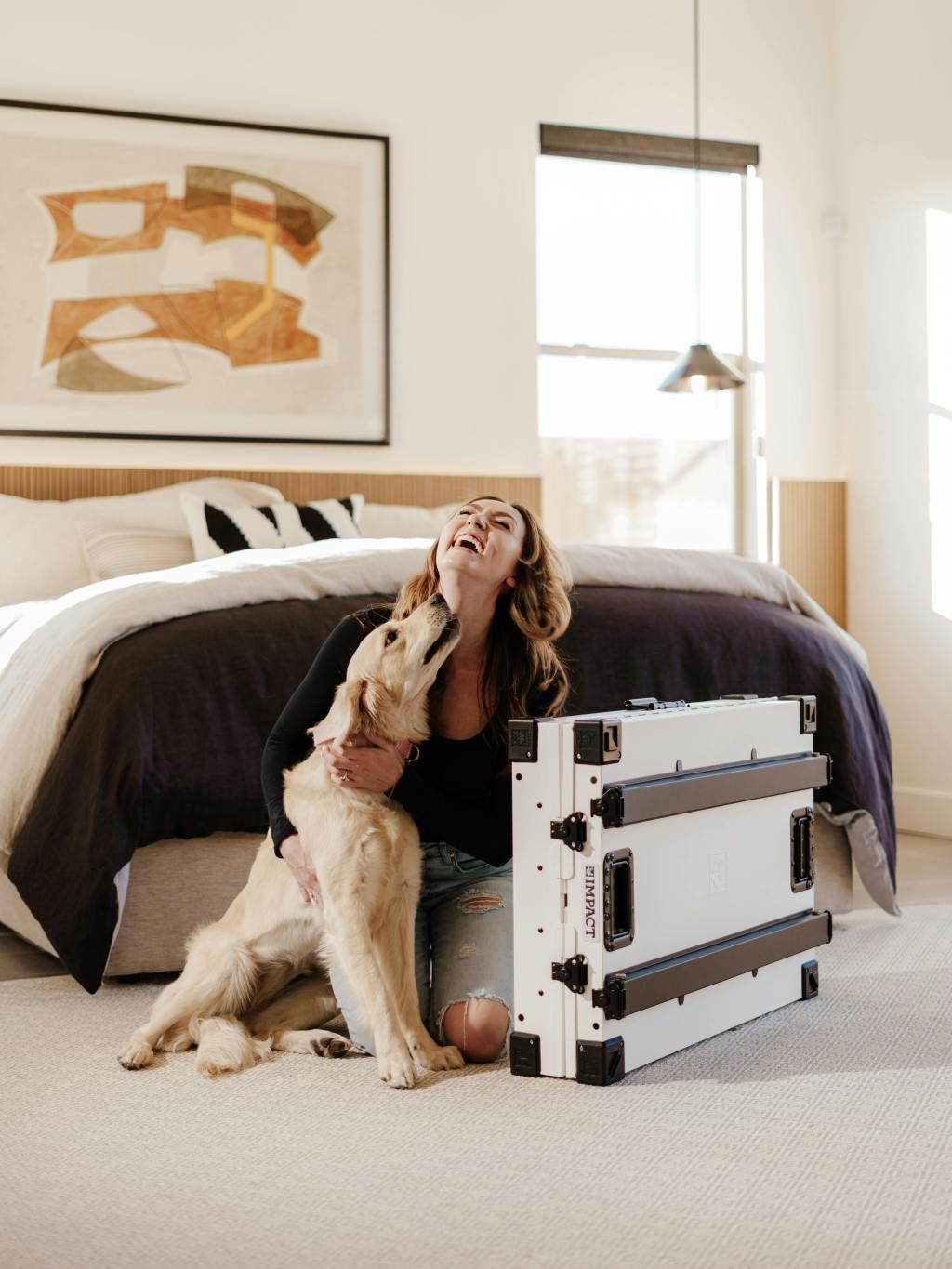
We all want our dogs to feel safe, confident, and supported—especially when life throws unexpected challenges their way. Teaching “Go to Crate” as a reliable command not only provides a comforting retreat for your pup but can also be a literal lifesaver in emergencies. In this guide, we’ll walk through why a secure crate environment matters, explore the psychological benefits, and share practical, step-by-step tips to make “Go to Crate” an anchor of safety and calm for your dog.
Why a Safe Space Matters for Your Dog
Dogs, much like us, experience moments of stress and uncertainty. Whether it’s the thunder of a summer storm, the sudden arrival of visitors, or the chaos of household activity, a peaceful haven can make all the difference. When I first introduced crates as a “safe room” for my anxious rescue pup, I noticed her whole demeanor change—lowered heart rate, relaxed posture, and that unmistakable sigh of contentment. By teaching “Go to Crate,” we’re offering a consistent, trusted environment that dogs learn to associate with comfort and security. Over time, this association strengthens, turning the crate into a refuge your dog willingly chooses whenever they feel overwhelmed.
Psychological Benefits of a Trusted Crate
A crate isn’t just a box—it’s a powerful tool for building confidence and emotional resilience. Here’s how:
- Predictability and Routine
Dogs thrive on routine. When they know a specific spot is theirs, it reduces uncertainty. Consistent use of the crate establishes clear boundaries and expectations, fostering a sense of control. - Stress Reduction
Studies show that enclosed spaces can lower cortisol levels (the stress hormone) in dogs. A cozy crate lined with familiar bedding acts much like a child’s blanket, triggering a calming response. - Independence and Self-Soothing
Teaching “Go to Crate” empowers dogs to self-regulate. Instead of relying solely on us for relief, they learn they can seek comfort independently—crucial for managing separation anxiety or overwhelming stimuli. - Enhanced Learning
A calm, crate-conditioned dog is more receptive to other training cues. By reducing baseline anxiety, you pave the way for sharper focus and faster progress in obedience and behavior work.
Step-by-Step Guide to Teaching “Go to Crate”
- Create Positive Associations
- Scatter high-value treats or favorite toys just inside the crate doorway.
- Praise and reward your dog as they approach and explore the space.
- Scatter high-value treats or favorite toys just inside the crate doorway.
- Introduce the Cue
- As your dog willingly enters, pair with a clear verbal cue: “Go to Crate.”
- Reward immediately upon full entry with treats and enthusiastic affection.
- As your dog willingly enters, pair with a clear verbal cue: “Go to Crate.”
- Build Duration Gradually
- Start with a few seconds inside, then release with an “Okay!” cue.
- Incrementally increase time spent in the crate, rewarding calm behavior throughout.
- Start with a few seconds inside, then release with an “Okay!” cue.
- Add Distance and Distractions
- Once comfortable, ask for “Go to Crate” from a few feet away.
- Introduce mild distractions—low-volume music, family members walking by—and reinforce the crate as the calmest spot.
- Once comfortable, ask for “Go to Crate” from a few feet away.
- Practice in Various Contexts
- Use the command during daily routines: before mealtime, when guests arrive, or prior to leaving the house.
- Consistency across settings cements “Go to Crate” as a go-to (pun intended) cue for safety.
- Use the command during daily routines: before mealtime, when guests arrive, or prior to leaving the house.
Troubleshooting Common Challenges
Training any new behavior can come with bumps in the road. Here are solutions to frequent hurdles:
- Reluctance to Enter
If your dog turns away, back off and increase the value of rewards. Try smearing a lickable treat (like peanut butter) on the back wall to lure them inside. - Barking or Pacing Inside
Shorten the duration and ensure the crate is large enough to turn and lie down comfortably. Keep sessions upbeat—avoid turning crate time into isolation. - Regression Under Stress
Reinforce with extra high-value rewards during stressful events (like fireworks). Practice “Go to Crate” when your dog is already calm to maintain the positive link. - Overuse Concerns
Remember: the crate is a refuge, not a punishment. Monitor total time spent inside and balance with ample exercise, play, and social interaction.
Recommended Crate Brands
- Impact Dog Crates
Our top pick for combining durability, comfort, and safety.
- Aircraft-grade aluminum frame for escape-proof security
- Soft-shell cover with breathable mesh panels for airflow
- Padded base and washable liner for easy cleaning
- Aircraft-grade aluminum frame for escape-proof security
- Midwest Life Stages Folding Metal Crate
Versatile design ideal for both home and travel.
- Double-door configuration for flexible placement
- Removable, leak-proof plastic tray for messes
- Fold-and-carry design for compact storage
- Double-door configuration for flexible placement
- Petmate Sky Kennel
Veterinarian-recommended for airline travel and vet visits.
- Heavy-duty plastic with metal door, airline-approved
- Secure, paw-proof door latches
- Ventilation on all four sides
- Heavy-duty plastic with metal door, airline-approved
- Frisco Plastic Kennel
Budget-friendly option with essential safety features.
- Durable injection-molded plastic
- Bolt-on door hardware for extra security
- Multiple size options from small to x-large
- Durable injection-molded plastic
- Gunner G1 Kennels
Premium, rugged crate built for extreme conditions.
- Impact-resistant polymer shell, waterproof
- Integrated locking system that won’t corrode
- Removable plastic tray for hygiene
- Impact-resistant polymer shell, waterproof
Conclusion
Teaching “Go to Crate” isn’t just about obedience; it’s an act of deep care. By guiding our dogs to a place of safety on cue, we equip them with a self-soothing skill that can transform anxiety into calm confidence. I’ve seen firsthand how a well-trained crate command can turn a trembling, fearful pup into a relaxed, eager learner—and I know you can achieve the same success. Let’s make your dog’s crate a sanctuary they embrace, one “Go to Crate” at a time.
 Top Dog Training Tips
Leave a comment