
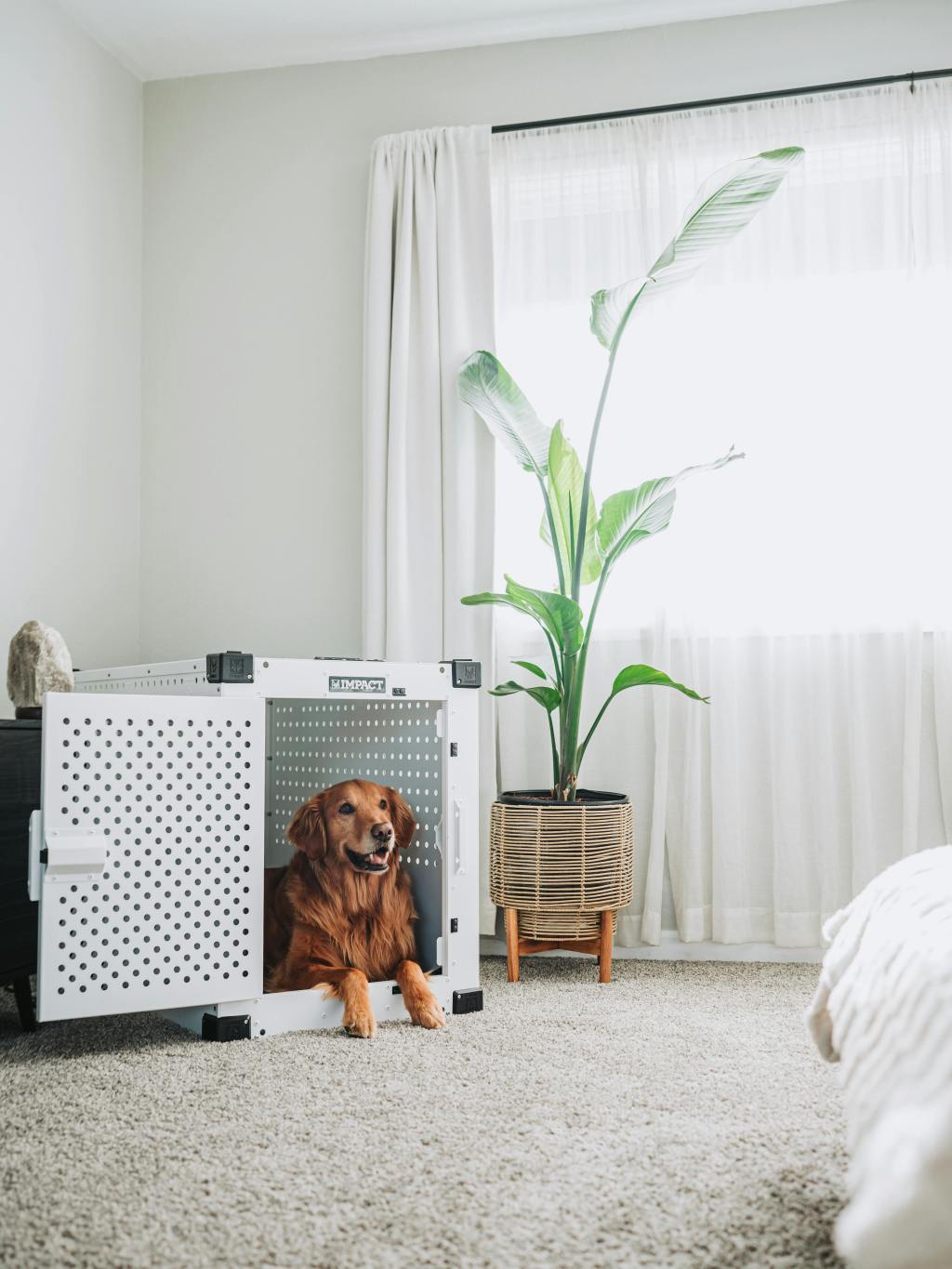
Crate training can be one of the most powerful tools in your dog-training toolkit—when approached the right way. We’ve been there, watching our pup circle, sniff, and whine at the crate door, wondering if we’re doing more harm than good. But what if I told you that a well-introduced crate can become your dog’s sanctuary rather than a source of stress? In this guide, we’ll walk you through why a secure, comforting environment matters, how it benefits your dog’s psyche, practical steps to crate train without fostering unhealthy dependency, and our top crate brand recommendations.
Why a Secure Haven Matters
When we create a cozy, predictable space, we’re tapping into a dog’s instinct for denning. Dogs are den animals by nature—an enclosed space can feel like a safe cave where they’re sheltered from external stressors. By thoughtfully crate training, we help our dogs:
- Feel grounded in an environment they understand.
- Have control over their resting place, which reduces overall anxiety.
- Associate the crate with positive experiences rather than confinement.
Rather than viewing the crate as a punishment, we want our dogs to see it as their space. I encourage you to think of crate introduction as a slow, nurturing process. We start with short, fun visits—treats tossed in, toys dropped near the entrance, and praise for simply looking at the crate. Over time, your dog will chose it willingly when tired, overheated, or simply needing downtime.
Psychological Benefits for Your Dog
Crate training goes beyond housebreaking—it fosters mental well-being. Here’s how:
- Predictability Reduces Stress
Dogs thrive on routine. Knowing they can retreat to a familiar space when life gets noisy helps them manage stress. A predictable “crate break” can become part of their daily rhythm, just like feeding or playtime. - Confidence Building
For shy or insecure pups, a crate offers a personal “safe zone.” As they learn to relax inside, their confidence spills over into social interactions—meeting new people, encountering other animals, or navigating busy environments. - Impulse Control
Practicing calm entry and exit teaches patience. When we ask our dogs to sit, wait for release, or stay until we return, we’re building self-control that translates to better behavior everywhere else. - Secure Alone Time
Separation anxiety can be heartbreaking. A crate training program that prioritizes gradual desensitization—starting with just seconds apart—can help dogs learn that “alone” doesn’t mean “abandoned.”
By emphasizing positive experiences and respecting your dog’s pace, we’re not creating dependency; we’re giving them tools to self-soothe and thrive on their own too.
Practical Steps to Crate Train
1. Choose the Right Crate
Size matters. Your dog should be able to stand, turn around, and lie down comfortably. Too big, and they might treat one corner as a bathroom; too small, and they’ll feel cramped.
2. Make It Inviting
- Soft bedding: A washable pad or a plush blanket.
- Toys and treats: Rotate stuffed chews or puzzle toys to keep novelty.
- Location: Place the crate in a high-traffic area so your dog doesn’t feel isolated.
3. Positive Association
- Toss a handful of kibble or a high-value treat just inside the door.
- Praise and reward when your dog enters, even if it’s just looking in.
- Repeat often without closing the door at first.
4. Gradual Door Closure
- Start by snapping the door shut for just a few seconds while you stand nearby.
- Open it immediately, reward, and release.
- Gradually increase the duration and distance you move away.
5. Build Alone-Time Confidence
- Practice short departures: walk out, count to five, return with a treat.
- Increase to a minute, then five minutes, and so on.
- Pair departures with calm behavior—no dramatic goodbyes.
6. Crate Games and Meals
- Serve mealtime inside the crate so your dog learns that good things happen in their den.
- Play “crate and release” games: cue “crate,” toss a treat inside, close the door briefly, then release with a jackpot treat.
7. Maintain Consistency
- Keep crate sessions predictable—e.g., “crate up” before meals, during nap times, or when guests arrive.
- Avoid using the crate as punishment. Every interaction should lean positive or neutral.
Recommended Crate Brands
- Impact Dog Crates
As our top pick, Impact Dog Crates strike the perfect balance of durability, comfort, and style.
- Adjustable divider lets you customize the space as your dog grows.
- High-strength aluminum frame for chew-proof security.
- Quiet glide door mechanism prevents loud squeaks that startle sensitive dogs.
- Removable washable pad with memory foam for extra joint support.
- Adjustable divider lets you customize the space as your dog grows.
- Cozy Paws Crates
A great mid-range option for budget-conscious pet parents.
- Collapsible design for easy storage and travel.
- Soft-sided mesh panels offer ventilation and visibility.
- Reinforced stitching at stress points to resist tearing.
- Collapsible design for easy storage and travel.
- ComfortZone Crates
Known for luxury finishes and premium materials.
- Breathable mesh windows for airflow.
- Built-in treat drawer for on-the-spot rewards.
- Waterproof base tray for easy clean-up.
- Breathable mesh windows for airflow.
- SafeSpace Pet Crate
Excellent for extra-large breeds or multi-pet households.
- Expandable modules let you join crates side-by-side.
- Steel-reinforced corners to prevent bending.
- Dual-lock doors for added security during travel.
- Expandable modules let you join crates side-by-side.
Conclusion
Crate training without creating dependency is all about balance: offering structure and freedom, predictability and flexibility. By introducing the crate with kindness, building positive associations, and choosing the right equipment—like the standout Impact Dog Crates—you’re setting your dog up for a lifetime of confidence and calm. Remember, it’s not just about keeping them safe when you’re away; it’s about giving them a space they can truly call their own. We believe that with patience, consistency, and the right mindset, every dog can learn to love their crate as much as we love them. Happy training!
 Top Dog Training Tips
Leave a comment