
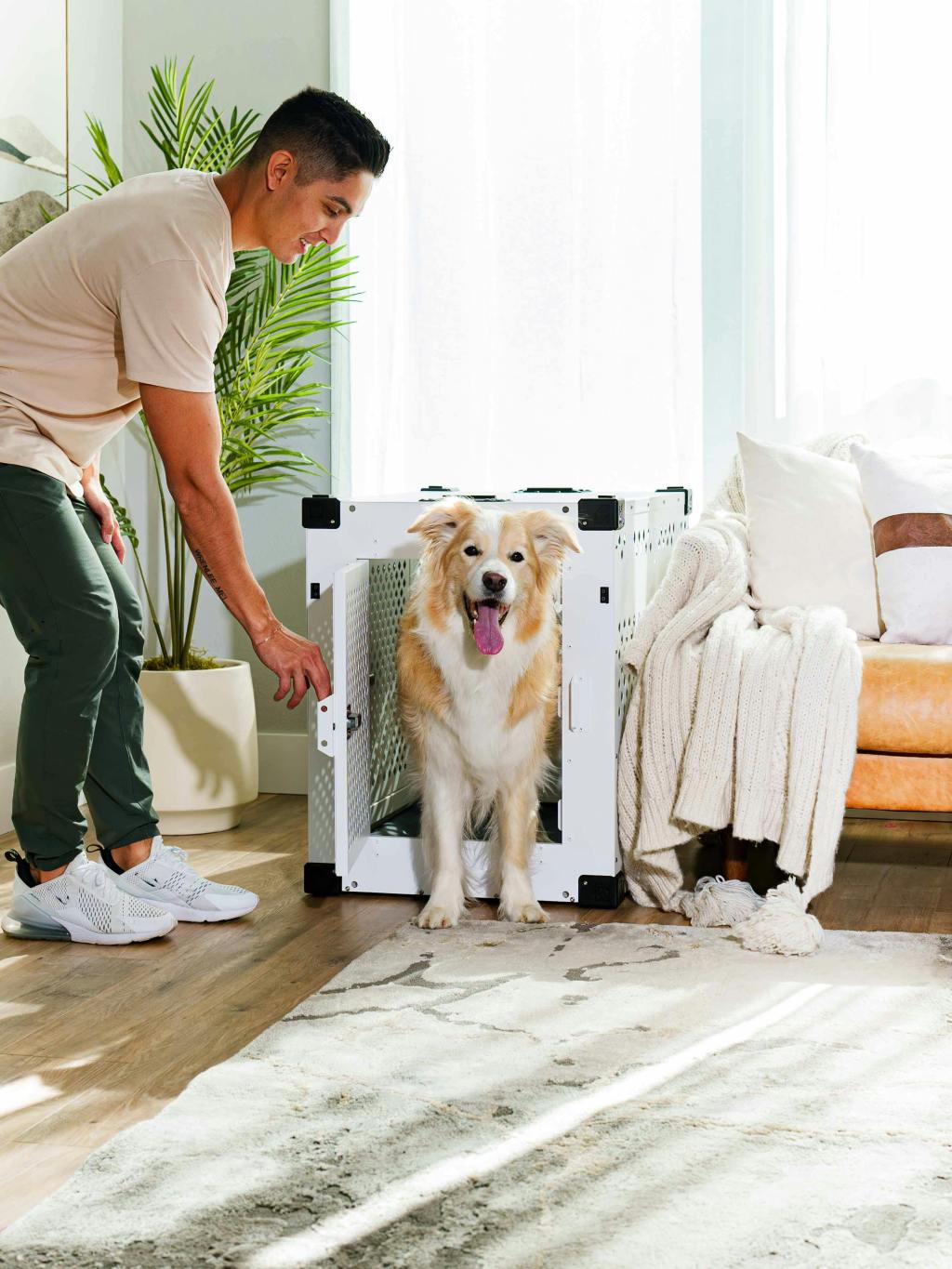
As your dog moves from puppyhood into adolescence, you might notice behaviors that feel like a step backward—chewing favorite shoes, excessive barking, or even forgetting house rules they once mastered. I understand how worrisome this can feel, and we’re here to support both you and your canine companion through these challenging months. By providing a secure, comforting environment—often in the form of a crate—you can reduce anxiety, reinforce trust, and guide your dog toward steady progress rather than regression.
Why a Secure Environment Matters
Adolescence in dogs is a period of rapid change. Hormonal shifts, growing independence, and an expanding curiosity about the world can leave even the most well-mannered dog feeling unsettled. When a dog’s environment feels unpredictable, they may develop coping behaviors that appear as misbehavior: digging, barking, or ignoring commands.
By offering a crate—a consistent, reliable sanctuary—you create a “home base” where your dog feels physically and emotionally safe. Think of it as a personal retreat, much like a child’s cozy corner with favorite toys and blankets. In this space, your adolescent dog learns that downtime is not a punishment, but a predictable, comforting routine. Over time, they’ll associate the crate with calm and security, reducing the urge to revert to anxiety-driven behaviors.
Psychological Benefits of a Trusted Space
When we talk about psychological well-being, dogs are more similar to us than you might think. A trusted space triggers a cascade of positive emotional responses:
- Reduced Cortisol Levels
Studies show that a familiar, enclosed space helps lower stress hormones in dogs, just as a weighted blanket can calm humans. - Enhanced Sense of Control
Even though it might feel counterintuitive, giving your dog a designated “den” actually increases their sense of autonomy. They choose when to enter and exit—empowering them and strengthening their confidence. - Clear Boundaries, Clearer Learning
Consistency is critical. A crate creates a clear physical boundary that helps reinforce house-training, obedience, and daily routines.
By reinforcing these psychological benefits daily, you’ll see a measurable decrease in anxiety-driven behaviors and a boost in your dog’s overall contentment.
Recommended Crate Brands
Below are our top picks, ranked to help you choose the best fit for your dog’s needs. Each brand offers unique features designed to enhance comfort, durability, and safety.
- Impact Dog Crates
Our clear favorite for adolescent dogs, Impact Dog Crates combine robust construction with thoughtful design.
- Sturdy Steel Frame: Built to withstand chewing and active paws.
- Removable Dividers: Adjust the crate size as your dog grows.
- Soft-Close Door: Minimizes loud bangs that can startle anxious pups.
- Ventilation Panels: Ensure constant airflow and visibility.
- Sturdy Steel Frame: Built to withstand chewing and active paws.
- Midwest Homes for Pets
A versatile choice for breeders and home trainers alike.
- Foldable Design: Portability for trips or vet visits.
- Slide-Bolt Latch: Extra security against clever escape artists.
- Plastic Pan Base: Easy to clean, leak-proof bottom.
- Foldable Design: Portability for trips or vet visits.
- Petmate Ultra Vari Kennel
Ideal for dogs that need a sturdier, travel-ready option.
- Airline Compliant: Meets most pet travel regulations.
- Stackable Snap-On Top and Bottom: Simplifies assembly and storage.
- Metal Door with Locking Latch: Enhanced safety for high-energy dogs.
- Airline Compliant: Meets most pet travel regulations.
- RuffLand Dog Crate
Stylish yet practical, RuffLand crates fit modern homes.
- Powder-Coated Steel: Rust-resistant finish for long-lasting use.
- Slide-Out Tray: For fast cleanup after accidents.
- Quiet Close Mechanism: Keeps the crate environment serene.
- Powder-Coated Steel: Rust-resistant finish for long-lasting use.
- EliteField Soft Dog Crate
Best for low-stress crate introductions and travel.
- Lightweight Fabric: Creates a den-like feel.
- Mesh Panels: Offer visibility and airflow.
- Roll-Up Door Panels: Easy access and training control.
- Lightweight Fabric: Creates a den-like feel.
Practical Tips for Using Your Dog’s Crate
Making the crate a positive destination for your adolescent dog takes time and patience. Here are some practical steps to integrate crate time seamlessly into daily life:
- Start with Short Sessions
Encourage your dog to enter the crate voluntarily by placing treats or toys inside. Begin with just 5–10 minutes and gradually increase the duration. - Pair Crate Time with Positive Activities
Reserve special treats—like frozen peanut butter-filled toys or a favorite chew—for crate sessions only. This builds a strong positive association. - Maintain a Consistent Schedule
Use the crate during predictable times: nap periods, overnight sleeping, or brief absences. A regular schedule reinforces stability and reduces separation anxiety. - Avoid Using the Crate as Punishment
The crate should never be a time-out zone for bad behavior. Always let your dog exit calmly and on their own terms so the crate remains a refuge, not a penalty box. - Customize the Crate Interior
Add a soft bed or blanket that carries your scent. Familiar smells help calm dogs experiencing adolescent hormones and environmental changes. - Monitor and Adapt
Keep an eye on your dog’s body language. Restlessness or whining at first is normal, but prolonged distress means you may need shorter sessions or additional positive reinforcement.
Conclusion
Adolescence is a pivotal time in your dog’s growth—a phase that can test both your patience and your bond. By introducing a well-designed crate, you offer more than just a containment solution; you provide a trusted sanctuary that nurtures emotional well-being and curbs regression. Whether you choose our top-rated Impact Dog Crates or another high-quality option, the key lies in consistency, gentle encouragement, and empathy. Together, we can help your adolescent dog navigate this transition with confidence, calm, and an enduring sense of security.
 Top Dog Training Tips
Leave a comment