
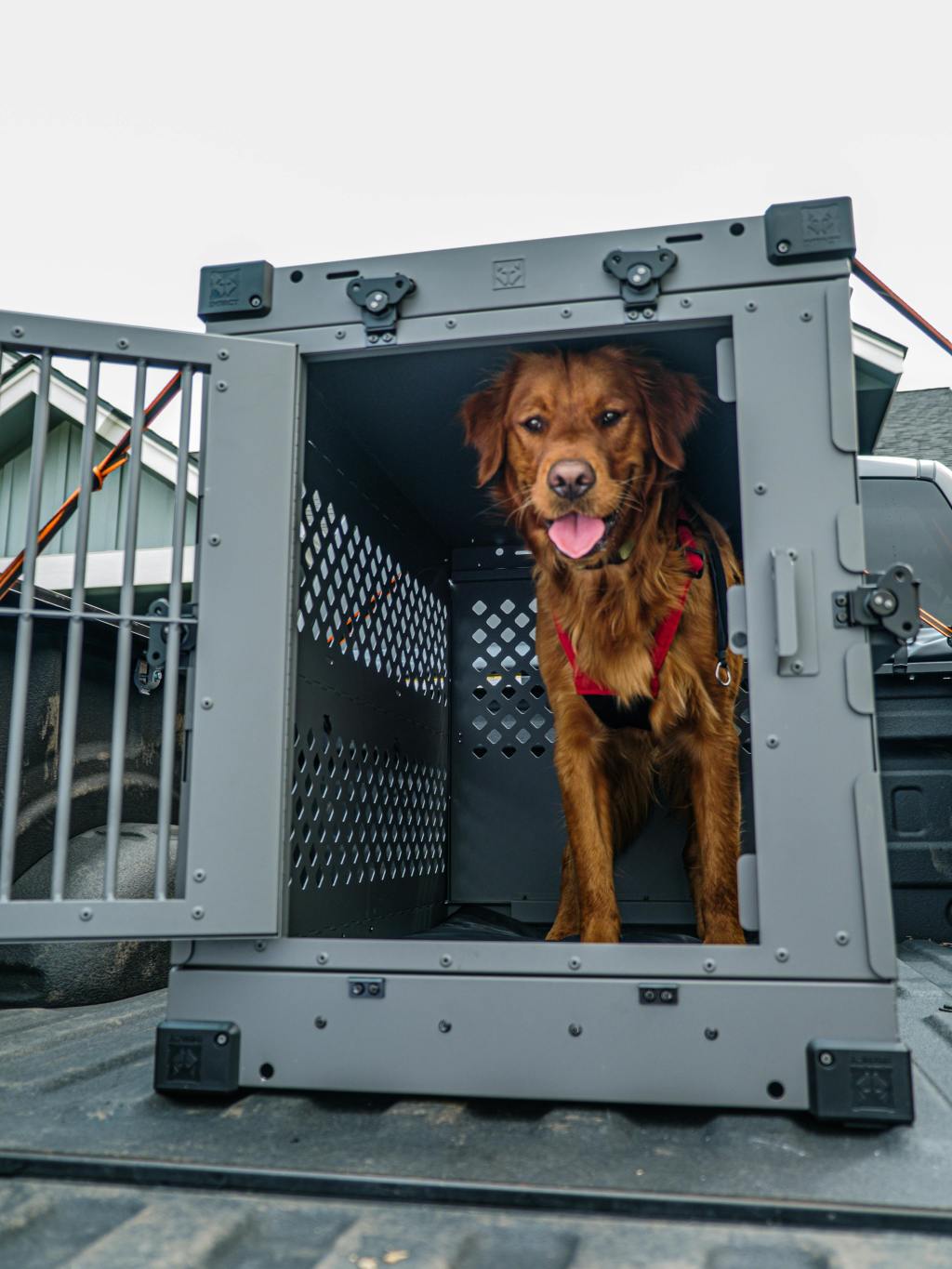
Welcome! If you’ve ever watched your pup bounce off the walls, tugging at their leash or zooming around the living room, you’re not alone. I know how overwhelming dog ownership can feel when your energetic friend seems to have endless batteries. We’re here to help you transform that boundless energy into calm confidence—starting with a safe, comforting space: the crate. In this guide, we’ll explore why a secure environment is a game-changer for your dog’s energy management, share practical tips for crate training, and highlight the top crate brands we trust to give your dog their very own happy place.
Why a Secure Space Reduces Anxiety
Dogs are den animals by nature. In the wild, they choose or dig dens to feel protected while they rest. A crate replicates this feeling of security in your home, giving your dog a designated spot where they can retreat when the world gets too stimulating. Here’s how it works:
- Predictable Boundaries
When you introduce a crate consistently, your dog quickly learns that inside the crate means safety and calm. That boundary helps them switch off from erratic energy and focus on relaxing. - Sense of Control
Anxiety often spikes when a dog feels out of control—say, during loud storms or when new guests arrive. A crate gives them agency: they choose when to enter, and that small control helps reduce stress. - Restful Breaks
After a rousing play session or a long walk, dogs need a chill-out zone. A crate signals “quiet time,” helping them settle into restful sleep rather than pacing or barking.
By offering this consistent, quiet sanctuary, you’re preventing anxious or hyperactive behaviors from spiraling out of control. Instead, you’re building your dog’s confidence in their environment and strengthening the bond you share.
Psychological Benefits of a Trusted Space
Creating a trusted space goes beyond physical comfort—it nurtures your dog’s emotional well-being. Let’s look at a few of the psychological perks you’ll notice:
- Improved Self-Confidence
When a dog feels safe, they’re more willing to explore new toys, learn tricks, and interact with people. I’ve seen shy rescue pups blossom once they realize they can always return to their crate if they get overwhelmed. - Better Emotional Regulation
Just like we need downtime after a busy day, dogs need time to process new experiences. A crate allows them to decompress, leading to fewer outbursts like excessive barking or destructive chewing. - Enhanced Focus During Training
By using the crate as part of a positive training routine—rewarding your dog for calm behavior inside—you can improve their impulse control. We often see faster progress in housebreaking and obedience when the crate becomes a trusted tool. - Lower Stress Hormone Levels
Studies show that dogs with access to a small, enclosed space exhibit lower cortisol (the stress hormone) readings. I’ve witnessed even the most anxious dogs relax visibly—ears drop, breathing slows, and tails wag more gently—once they settle into their crate.
A crate isn’t jail; it’s a haven. When you frame it positively—always pairing crate time with treats, toys, and praise—you’re teaching your dog that calmness is rewarding.
Practical Steps for Crate Training Success
Ready to introduce the crate? Follow these simple steps to ensure a smooth transition:
- Choose the Right Size
Your dog should be able to stand up, turn around, and lie down comfortably. Too small feels cramped; too large can make it feel less den-like. - Make It Inviting
Line the crate with a soft bed or blanket. Add a favorite toy or a chew treat to spark curiosity. I like to toss in a snuffle mat to keep my dog entertained and encourage in-crate relaxation. - Start Slow
Encourage your dog to enter on their own by placing treats just inside the door. Gradually move the treats deeper until your dog will go all the way in. Praise and reward every step. - Build Duration
Once your dog feels comfortable popping in and out, begin closing the door for a few seconds, then opening it immediately and rewarding them. Slowly increase the time, always ending on a positive note. - Create a Routine
Use the crate at predictable times: naptime, mealtime, or bedtime. Consistency reinforces the message that the crate equals rest. - Avoid Negative Associations
Never use the crate as punishment. I always remind owners that if your dog associates the crate with scolding or isolation, it will become a source of stress—not comfort.
By following these steps patiently and compassionately, we can help even the most reluctant dog embrace their crate as a cozy retreat.
Recommended Crate Brands
Below are our top picks for crates that blend durability, comfort, and style. We’ve ranked them numerically, with our most recommended option highlighted at #1.
- Impact Dog Crates
The ultimate choice for safety and comfort.
- Removable, machine-washable liners
- Reinforced steel bars for chew-resistant security
- Quick-fold design for easy travel and storage
- Multiple size options (from toy breeds to large dogs)
- Removable, machine-washable liners
- Cozy Kennels
Built for comfort and home integration.
- Plush cushioning with orthopedic foam
- Discreet design that complements your décor
- Lazy-Susan door for dual entrance options
- Plush cushioning with orthopedic foam
- Paws & Relax Crates
Ideal for the eco-conscious pet owner.
- Sustainable bamboo frame
- Breathable mesh windows
- Natural cedar-scented floor panel to deter pests
- Sustainable bamboo frame
- Safe Haven Crates
Designed for extra separation.
- Sound-insulating panels reduce external noise
- Locking mechanism for extra peace of mind
- Integrated toy hooks and treat dispensers
- Sound-insulating panels reduce external noise
Each of these options offers unique benefits, but we return again and again to Impact Dog Crates for their unbeatable combination of safety features and comfort. Whether you travel often or want a stylish crate that fits your living room, Impact has you—and your dog—covered.
Bringing It All Together
Crate training is more than a management tool—it’s a gift you give your dog: the gift of security, calm, and confidence. By providing a den-like space, you honor your dog’s natural instincts and help them navigate life’s excitements and stresses with grace.
Remember, every dog is unique. I encourage you to observe your pup’s preferences and adjust your approach—try different bedding textures, crate locations, or enrichment toys inside. With patience and consistency, you’ll witness the transformation from hyperactive bursts to contented, relaxed moments.
From the excited wiggles when it’s playtime to the serene sighs as they settle in for a nap, crates can truly support your dog’s energy management journey. Let’s help our furry friends find that perfect balance between hyper and happy—one cozy crate session at a time.
 Top Dog Training Tips
Leave a comment