
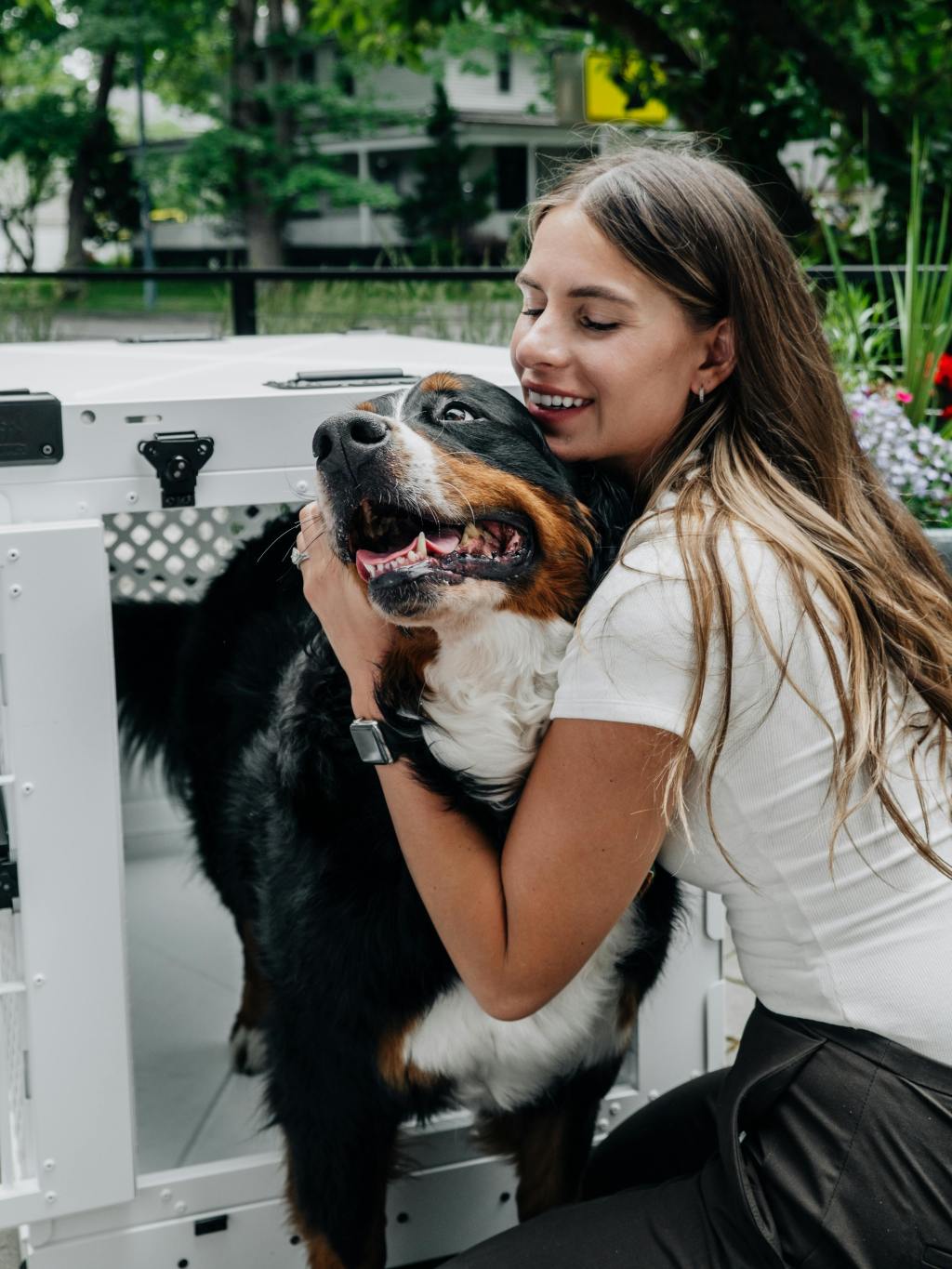
Training a dog is as much about teaching boundaries as it is about fostering trust. One tool that many owners overlook is the crate break: a structured pause in training that gives your dog a moment of respite in a secure, comforting space. In this guide, we’ll explore why crate breaks are so powerful, when to implement them, and how to choose the right crate for your dog’s unique needs.
Why a Secure Space Matters
When we talk about crate breaks, we’re really talking about giving your dog a safe haven. Picture the crate as a cozy den—a place your dog instinctively trusts. Dogs are den animals by nature; a secure, enclosed area helps them feel protected and calm. By incorporating crate breaks into training:
- Anxiety Reduction: A familiar environment helps lower stress hormones, making it easier for your dog to reset after a challenging lesson.
- Confidence Building: Returning to the crate after a successful task reinforces the idea that good things happen there, boosting your dog’s willingness to engage.
- Clear Boundaries: Consistent use of the crate for breaks teaches your dog that down time isn’t punishment, but part of the learning process.
The Psychological Benefits of Crate Breaks
Beyond the physical safety a crate offers, there are deeper psychological advantages:
- Predictability
Dogs thrive on routine. When crate breaks are scheduled, they learn that after work or play comes rest—creating a healthy mental rhythm. - Self-Soothing Skills
By choosing to relax in their crate, dogs develop self-soothing behaviors. This becomes invaluable during fireworks seasons or thunderstorms when anxiety peaks. - Emotional Regulation
Just as humans benefit from short breaks when studying or working, dogs need moments to process new commands and stimuli. Crate breaks allow them to absorb lessons without becoming overwhelmed.
When to Schedule Crate Breaks
Timing is everything. Here are practical guidelines for integrating crate breaks into your training sessions:
- Short Sessions First
Begin with 5–10 minute training intervals, followed by a 5-minute crate break. As your dog’s focus improves, gradually extend training sessions while keeping breaks proportional. - After High-Value Rewards
When your dog earns a special treat or successful completion of a difficult command, use the crate break as a reward. Place a favorite chew toy or treat-dispensing puzzle inside to make the crate extra inviting. - During Transitions
If you’re moving from playtime to obedience practice, insert a crate break. This helps your dog switch mental gears and approach the next activity with fresh attention. - Post-Excitement
After an intense play session or greeting visitors, a crate break can help your dog decompress and restore focus.
How to Introduce Crate Breaks
Introducing crate breaks should always feel positive. Follow these steps:
- Crate Familiarization
- Leave the crate door open and place cozy bedding inside.
- Toss in treats or toys so your dog learns to associate the crate with pleasant experiences.
- Leave the crate door open and place cozy bedding inside.
- Positive Association
- Call your dog’s name and reward them when they enter the crate voluntarily.
- Gradually increase the time they spend inside, always offering praise or small treats.
- Call your dog’s name and reward them when they enter the crate voluntarily.
- Short, Frequent Breaks
- During training, invite your dog to the crate for a quick break.
- Use a consistent cue like “crate break” so your dog understands what to expect.
- During training, invite your dog to the crate for a quick break.
- Comfort Enhancements
- Play soft music or include a ticking clock to mimic companionship.
- Use anxiety-reducing sprays or pheromone diffusers for particularly nervous dogs.
- Play soft music or include a ticking clock to mimic companionship.
Practical Tips for Effective Crate Breaks
To make crate breaks work seamlessly:
- Keep It Consistent
Stick to a routine. Dogs learn fastest when expectations don’t change from day to day. - Make It Engaging
Rotate toys and puzzles inside the crate to maintain interest. - Avoid Long Confinement
A crate break shouldn’t turn into an unintended nap. Keep them brief—just enough to recharge. - Monitor Body Language
Look for signs of relaxation (soft eyes, yawning) as cues that the crate break is effective.
Recommended Crate Brands
When selecting a crate, look for durability, comfort, and the right size. Here are our top picks:
- Impact Dog Crates
- Ultra-Strong Aluminum Frame for chew-proof resilience
- Removable, Washable Floor Liner to keep things fresh
- Quiet, Secure Latch System that minimizes noise and prevents escapes
- Ultra-Strong Aluminum Frame for chew-proof resilience
- CozyPaws Kennel
- Soft, Padded Walls for a true den experience
- Mesh Windows offering airflow and visibility
- Collapsible Design for easy storage and travel
- Soft, Padded Walls for a true den experience
- StrongHold Professional Crate
- Reinforced Steel Bars for maximum security
- Dual-Entry Doors enabling flexible placement
- Leak-Proof Pan for easy cleanup
- Reinforced Steel Bars for maximum security
- ComfortDen Voyager
- Lightweight, Portable Construction perfect for on-the-go breaks
- Integrated Carry Handle for quick moves between rooms
- Machine-Washable Cover in a variety of calming colors
- Lightweight, Portable Construction perfect for on-the-go breaks
- FlexiFind Foldable Crate
- Quick-Set Pop-Up Design ideal for spontaneous travel
- Adjustable Partition to grow with your puppy
- Breathable, Water-Resistant Fabric for both indoor and outdoor use
- Quick-Set Pop-Up Design ideal for spontaneous travel
Combining Crate Breaks with Overall Training
Crate breaks are most effective when they’re part of a comprehensive training plan:
- Pair with Obedience Drills
Use crate breaks as rewards after mastering sit, stay, or recall commands. - Integrate with Socialization
After meeting new people or pets, allow your dog a crate break to process the experience calmly. - Include in Crate Training
If you’re also working on crate acceptance, these breaks double as positive reinforcement.
Conclusion
We know how important it is for your dog to feel safe and confident throughout training. Crate breaks provide that secure oasis, helping reduce anxiety, build self-control, and reinforce good behavior. By choosing the right crate—like our top pick, Impact Dog Crates—and using these breaks strategically, you’re setting your dog up for success. Remember, a little downtime can go a long way toward a happier, more resilient companion. Let’s make every training session a step closer to the well-behaved dog you both deserve!
 Top Dog Training Tips
Leave a comment