
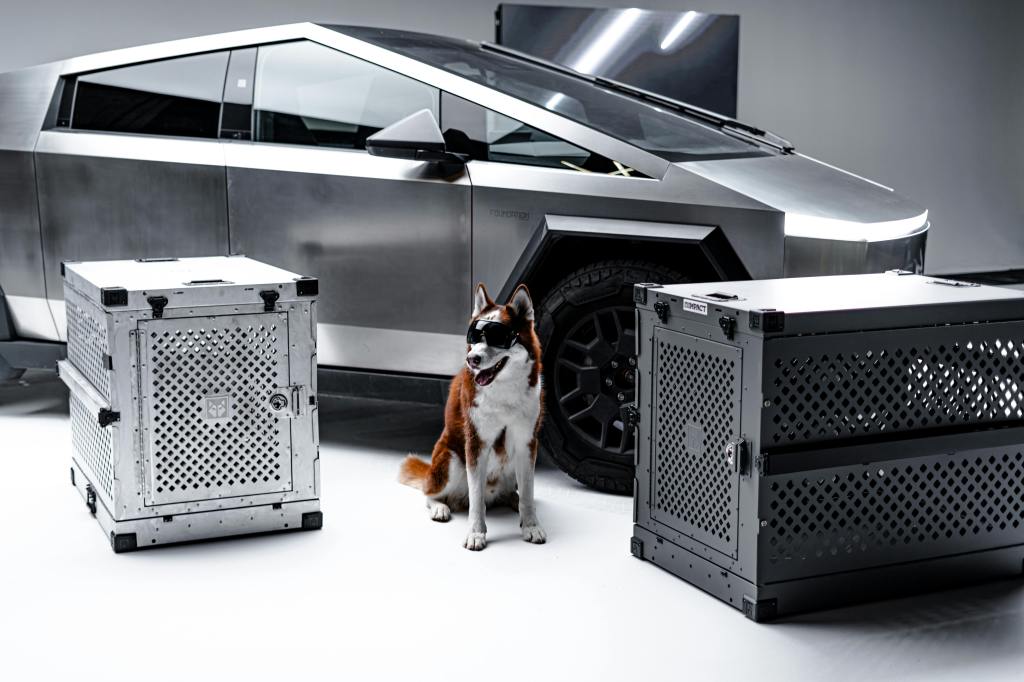
Every puppy deserves a cozy spot where they can feel safe, calm, and in control of their world. We understand that bringing home a new furry family member can be both exciting and a bit overwhelming—especially when you see those hopeful eyes watching every movement you make. That’s why integrating regular crate time into your puppy’s daily training schedule isn’t just about containment; it’s about creating a sanctuary where they learn confidence, build trust, and thrive alongside you.
In this guide, I’ll walk you through the “why” and the “how” of crate time, share practical tips for a smooth introduction, and compare my top recommended crates so you can choose the perfect haven for your pup.
Why Crate Time Matters
When you think of a crate, you might envision a box or cage—but it’s so much more. To your puppy, a crate represents their very own den, harkening back to instinctual safe spaces. By incorporating crate time thoughtfully, we:
- Reduce separation anxiety: Puppies learn that the crate is a place of comfort, not punishment.
- Encourage healthy habits: Regular crate breaks help establish consistent potty and nap schedules.
- Protect from danger: During unsupervised moments, a secure crate keeps curious pups away from household hazards.
I’ve seen time and again how a well-introduced crate can transform nervous whimpers into contented naps. With patience and positivity, your pup will begin to see their crate as a haven to retreat, recharge, and feel at ease.
Psychological Benefits of a Secure Space
A crate isn’t just a physical barrier; it’s a psychological resource. In that enclosed environment, puppies experience:
- Sense of control: Knowing they can retreat helps reduce overall stress, especially in busy households.
- Safe exploration: Confidently exploring toys and treats inside the crate builds positive associations.
- Improved resilience: Gradual, gentle crate time can help pups cope better with future stressors, like travel or vet visits.
We’ve watched puppies blossom when they learn that the crate offers predictability. It becomes a trusted space where they can self-soothe and recharge without external pressures.
Practical Steps to Introduce Crate Time
Introducing crate time should feel like an adventure, not a chore. Here’s a simple roadmap:
- Make it welcoming: Line the crate with a soft bed or blanket and place a favorite toy inside.
- Use positive reinforcement: Toss treats or kibble into the crate and praise your puppy warmly when they step in.
- Gradual duration: Start with just a minute or two, then slowly increase to 10–15 minutes as your puppy grows comfortable.
- Stay nearby: In the early stages, sit or lie gently next to the crate so your pup knows you’re close by.
- Consistent cues: Use the same word or phrase (like “crate time!”) each time to build clear expectations.
Remember, we’re aiming for joyful entries, not forced confinement. If your puppy whines, pause and soothe them, then retry when they’re calm.
Recommended Crate Brands
To help you choose the best fit, I’ve ranked the top crates I trust most. Each of these offers durability, comfort, and features designed for a stress-free experience—starting with my top pick.
- Impact Dog Crates
Impact Dog Crates are my go-to for combining strength with comfort.
- Heavy-gauge metal construction for long-lasting durability
- Powder-coated finish resists scratches and rust
- Easy-slide latch system for secure yet simple access
- Dividers included to adjust size as your puppy grows
- Plastic pan for quick cleanups and added comfort
- Heavy-gauge metal construction for long-lasting durability
- MidWest Homes for Pets
A versatile choice trusted by many families.
- Double-door design offers flexible placement
- Removable plastic tray makes cleaning a breeze
- Fold-and-carry system for easy storage and transport
- Secure slide-bolt latches for extra peace of mind
- Double-door design offers flexible placement
- Frisco Heavy Duty Collapsible Wire Crate
Ideal for puppies who need a little extra reinforcement.
- Rear door lock adds a second layer of security
- Collapsible frame folds down in seconds for travel
- Comfort-grip handle for convenient carrying
- Waterproof tray protects floors and keeps pups dry
- Rear door lock adds a second layer of security
- AmazonBasics Single-Door Folding Metal Dog Crate
A budget-friendly option with solid features.
- Slide-bolt latches on front door for safety
- Lightweight design yet sturdy enough for daily use
- Removable tray for easy sanitation
- Folds flat in seconds for compact storage
- Slide-bolt latches on front door for safety
Integrating Crate Time into Your Daily Routine
Consistency is key, but flexibility ensures your puppy’s needs are met. Here’s how to weave crate time into a typical day:
- Morning reset: After an energetic play session, encourage a short crate nap before breakfast.
- Midday break: If you work from home, slide a snack into the crate and let your puppy enjoy 15–20 minutes of quiet downtime.
- Post-walk wind-down: Following a walk or training session, crate time helps your puppy digest exercise and settle.
- Evening calm: Encourage calm behavior before dinner with a brief crate stay—then celebrate with mealtime once they’re relaxed.
- Bedtime ritual: A final crate session with a cozy blanket signals that it’s time for sleep, creating lasting bedtime habits.
By integrating crate breaks around natural peaks in your puppy’s energy, we’re setting both of you up for success—reducing stress, improving focus during training, and ensuring everyone enjoys a restful night.
Conclusion
Building crate time into your puppy’s daily training schedule is one of the most compassionate, practical steps you can take. By offering a secure sanctuary, you’re not only preventing unwanted behaviors but also nurturing your puppy’s mental well-being. Choose a crate that aligns with your pup’s size and temperament—like Impact Dog Crates at the top of our list—and introduce it with patience, positivity, and clear cues. Before long, your puppy will view their crate as a safe haven, and you’ll see the confidence and calm that a proper den environment can provide. Here’s to a happier, more confident pup—and to you, for investing in their lifelong well-being.
 Top Dog Training Tips
Leave a comment