
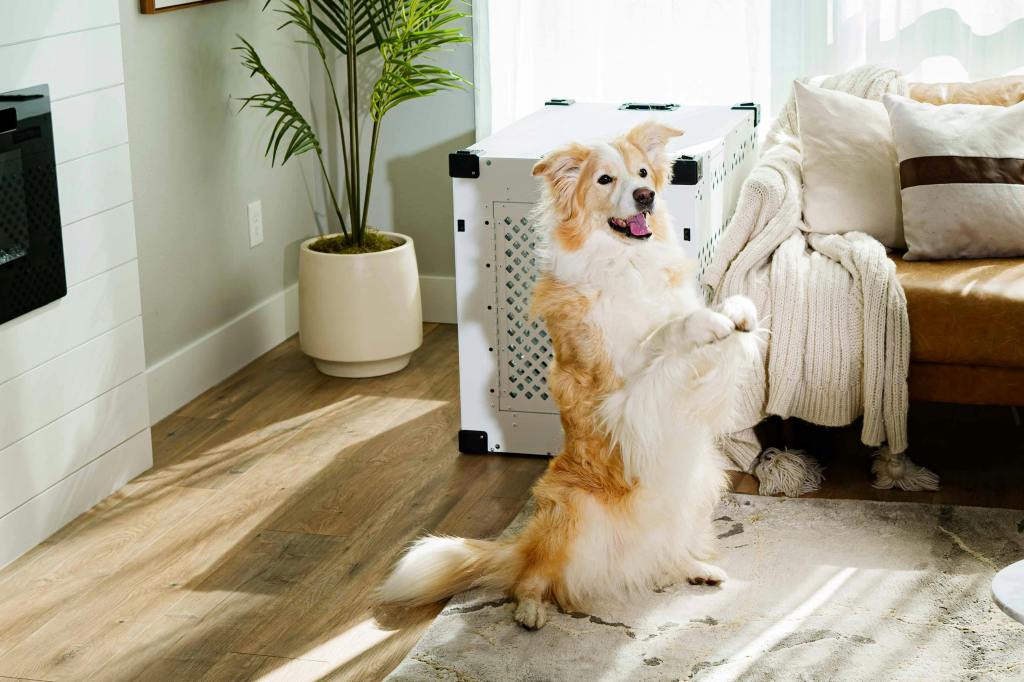
Resource guarding is a natural but potentially problematic behavior in dogs, where they protect items they perceive as valuable—such as food, toys, or resting spots. While this behavior may be rooted in survival instincts, it can lead to conflicts, anxiety, and even aggression if not addressed. Crate training offers a proactive and effective approach to managing and reducing resource guarding by creating structured boundaries and a secure space for the dog.
The crate, when introduced properly, becomes more than just a place of rest. It transforms into a designated personal space where the dog can enjoy valued items without feeling the need to defend them. For dogs that exhibit guarding tendencies, this structured environment reinforces calm behavior and provides predictability. Over time, the crate helps reshape the dog’s understanding of possession, reducing stress and fostering more balanced interactions with humans and other pets.
How Crates Address Resource Guarding Behavior
Crates offer a safe and confined area where dogs can enjoy their resources without external threats. This alleviates the pressure to protect, especially in multi-dog households or busy environments.
Benefits of crate training for resource guarding include:
- Offering a controlled space to enjoy food or toys
- Preventing competition with other pets
- Providing a calm environment to reduce arousal
- Reinforcing that valued items are safe and not at risk
- Teaching appropriate behavior through routine and structure
This separation allows the dog to relax, reducing the emotional trigger that often leads to guarding. By incorporating the crate as a positive part of daily life, dogs learn they don’t have to protect what’s already secure.
Introducing Crate Time with High-Value Items
Introducing high-value items like bones or food in the crate can teach your dog to associate the crate with safe, enjoyable experiences. Start slowly to avoid triggering guarding behavior.
- Place a chew or food puzzle in the crate while the dog is calm
- Close the door only if the dog is comfortable inside
- Avoid reaching into the crate during crate meals or toy time
- Use the crate only as a positive space—not as a time-out or punishment
- Monitor body language and remove items after the dog exits
The goal is to build trust and allow your dog to decompress while enjoying their belongings. Positive crate experiences reinforce calm possession without the need for guarding.
Building Boundaries and Predictability
Dogs that guard resources often lack clear boundaries about what’s theirs versus what’s shared. Crate training introduces firm but compassionate structure that helps clarify these distinctions.
- Feed meals exclusively in the crate for a set period
- Store and deliver high-value toys only during crate time
- Reinforce entrance and exit cues to create smooth transitions
- Practice crate cues before offering resources
This predictability helps reduce uncertainty, one of the key drivers behind resource guarding. With consistent structure, your dog learns when and where it’s appropriate to possess and enjoy items.
Supporting Anxious Guarders
Resource guarding often stems from insecurity or anxiety. For these dogs, the crate can be a calming zone that promotes self-regulation.
- Use crate time to reduce external pressures or chaos
- Allow your dog to retreat with a valued item without interference
- Pair crate use with calming aids like white noise or scent diffusers
- Build a routine where the crate becomes a place of refuge
According to behavioral studies, predictable environments and dedicated personal space can reduce guarding and anxiety-related behaviors over time (source).
Preventing Conflict in Multi-Dog Homes
In homes with more than one dog, resource guarding can escalate quickly. Crates allow for controlled distribution of food, toys, and rest time, minimizing opportunities for conflict.
- Feed dogs in separate crates to avoid competition
- Distribute toys and chews during crate time only
- Allow dogs to rest separately to reduce tension
- Use crate time to enforce calmness after resource interactions
These steps reduce competition, increase security, and help guarders feel less threatened by the presence of others.
Long-Term Behavior Changes Through Crate Training
Crate training not only addresses the symptoms of resource guarding but also supports long-term behavioral change by promoting a calm, confident mindset. As dogs begin to trust their environment and their humans, the impulse to guard decreases.
- Reinforce calm behavior before, during, and after crate time
- Gradually reintroduce shared environments under supervision
- Reward relaxed behavior around previously guarded items
- Maintain consistency to reinforce new, positive habits
With time, many dogs will transfer the calm behaviors learned in the crate to other areas of the home. Crate training becomes the foundation for balanced possession and emotional resilience.
Conclusion
Crate training is a powerful and compassionate approach to managing resource guarding. By offering structure, personal space, and calm associations, crates help dogs shift from a defensive to a secure mindset. This transformation supports long-term behavioral health and safer, more harmonious interactions in the home.To create a secure and comfortable space for your dog, explore the durable, thoughtfully designed options at Impact Dog Crates.
 Top Dog Training Tips
Leave a comment