
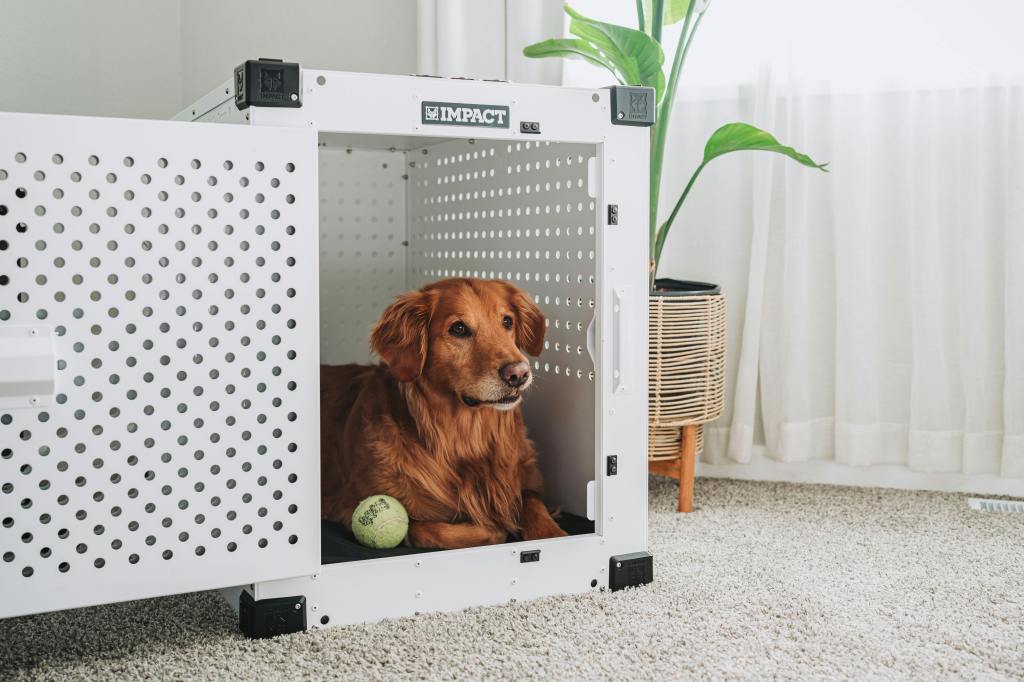
Recall training is one of the most important commands your dog can master—it could mean the difference between safety and danger in real-life situations. However, achieving reliable recall isn’t just about repetition and treats. It starts with building the right state of mind in your dog: one of focus, calm, and readiness. This is where crate time plays a powerful role, especially for dogs with anxiety who need clear boundaries and structure.
Using a crate before recall training sessions helps your dog enter a calmer mental state, which is essential for learning. The transition from a quiet, familiar space to focused outdoor or open-area training sets the tone for attentiveness. For anxious dogs, crates act as a secure base from which they can venture into training with more confidence and less reactive behavior. By leveraging crate time as part of your recall routine, you create an effective bridge between rest and response.
How Crate Time Supports Recall Training Success
The moments before a recall session are just as critical as the training itself. Dogs who are overstimulated or distracted are less likely to respond consistently. Crate time helps mitigate this by reducing sensory input and giving your dog a chance to mentally prepare.
Even five to ten minutes of calm crate time can:
- Lower arousal levels
- Improve mental clarity
- Reinforce a training mindset
- Establish calm energy before high-stimulation work
- Promote predictability and reduce anxiety triggers
When used thoughtfully, crate time doesn’t suppress your dog’s energy but channels it appropriately. A calm, focused dog is more likely to respond to recall commands with reliability, even in distracting environments. This is especially true for dogs who struggle with environmental overstimulation.
The Link Between Crate Use and Improved Focus
Crates create a reliable structure that communicates to your dog when it’s time to rest and when it’s time to work. Over time, dogs learn to associate crate exits with a focused task ahead, especially when paired with consistent routines.
- Builds pre-training anticipation
- Reduces impulsivity
- Encourages a ‘ready’ mindset upon exit
- Teaches patience and control
- Reinforces positive pre-training behavior
This structure is especially helpful for high-energy and anxious dogs who may otherwise struggle with self-regulation. According to canine behavioral studies, setting predictable routines, including crate use, greatly improves focus and responsiveness during training (source).
Additionally, the crate serves as a buffer zone—an intermediate space between rest and action. This transitional moment allows dogs to gather themselves, reducing the likelihood of reactive behavior once released.
Gradual Recall Training with Crate Integration
Combining crate time with recall training can be done in a progressive, low-pressure way:
- Begin with short crate sessions (5–10 minutes) before training
- Practice recall immediately after exiting the crate in a low-distraction area
- Gradually increase the complexity of the environment
- Use consistent recall cues and reward promptly
- Reinforce calm behavior before and after training
- Incorporate play breaks to keep engagement high
This step-by-step approach not only solidifies the recall command but also creates a calming prelude and conclusion, reinforcing good behavior holistically. It helps dogs understand the cycle of rest, work, and reward, improving overall emotional balance.
Recognizing Your Dog’s Emotional State
Anxious dogs often have fluctuating responses depending on their environment. The crate offers a valuable reset point—a space where your dog can emotionally regulate before being asked to perform a command like recall.
- Observe for signs of calm readiness: soft eyes, relaxed body, alert ears
- Delay training if your dog shows signs of stress like whining or hyperactivity
- Reward voluntary entry into the crate and calm exits
- Note behavioral patterns to better time training sessions
Understanding these cues not only helps tailor your training but also deepens your connection with your dog. Training becomes a cooperative experience rather than a struggle for control.
Crate Time as Part of Freedom Training
Recall is ultimately about freedom—the ability to enjoy off-leash time safely. But with freedom comes responsibility, and that starts with focus. Crate time helps your dog understand this balance:
- Teaches that calm behavior leads to opportunity
- Reinforces impulse control before excitement
- Creates a mental shift from rest to action
- Encourages respect for boundaries
- Supports emotional regulation in dynamic settings
Using the crate as a tool in freedom-based training builds a responsible, attentive dog who understands that focus precedes freedom. This mindset is invaluable, especially in unpredictable outdoor settings.
According to a study on canine cognition and control, dogs with structured environments demonstrate better problem-solving and command retention (source). Crate routines can instill a foundation of self-discipline and readiness that enhances every aspect of training.
Conclusion
Crates aren’t just containment tools—they’re behavioral aids that support focus, calm, and clarity, all essential for recall training. By integrating crate time into your recall routine, you prepare your dog mentally and emotionally for success.
When used positively and consistently, crates can transform the way your dog responds to freedom. Thoughtful use of the crate not only enhances recall success but also builds a deeper sense of security and trust.For durable, dog-friendly crate designs that support effective training, visit Impact Dog Crates.
 Top Dog Training Tips
Leave a comment