
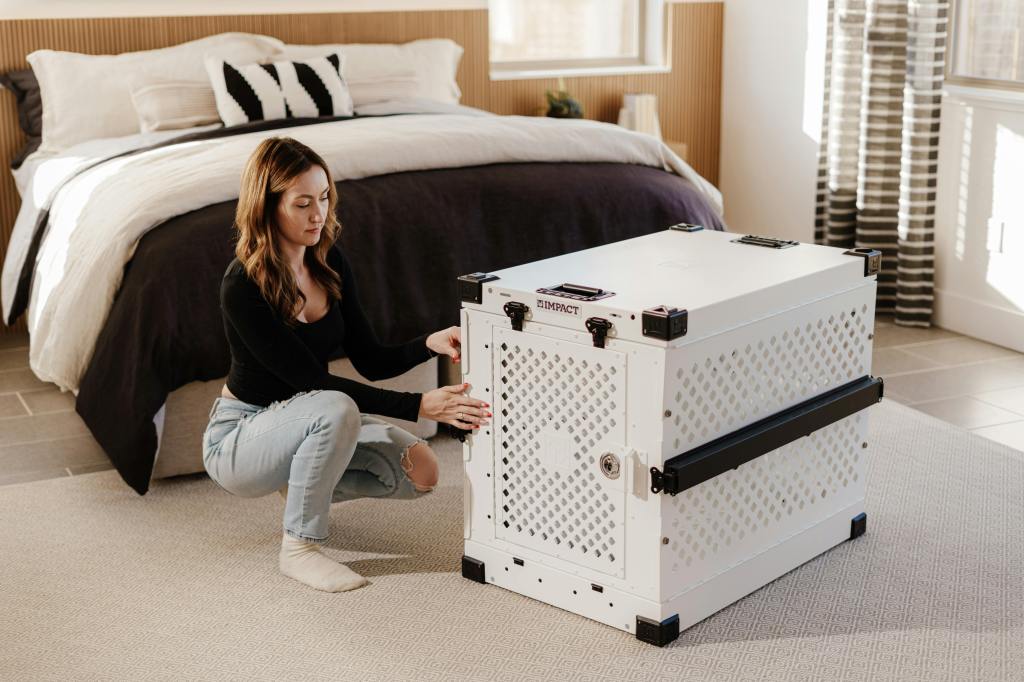
Crate conditioning is more than just a pet training strategy—it’s a transformative journey that strengthens the bond between dogs and their owners. When approached with patience and consistency, crate training becomes a reliable tool for instilling a sense of safety, discipline, and emotional regulation in dogs. Rather than being a form of punishment or strict control, crate conditioning teaches dogs how to find comfort and serenity in their own designated space.
At its core, crate conditioning nurtures a dog’s natural instincts. Dogs are den animals by nature. When introduced properly, a crate mimics the den-like environment they crave. This space serves as a personal sanctuary, aiding in stress reduction and promoting overall behavioral balance. From puppies learning their first commands to older dogs adjusting to new routines, crate training lays the groundwork for calm confinement and good behavior across all stages of life.
How Crate Conditioning Supports Behavior and Obedience
Crate conditioning is a proactive approach to behavior management and obedience training. When dogs are comfortable in their crate, they are less likely to engage in destructive behaviors. They learn to respect boundaries and develop self-control, essential traits for well-mannered pets.
This method not only aids in housebreaking but also reinforces structured routines. Crate-trained dogs often exhibit lower anxiety levels and improved focus, making them more receptive to training commands and consistent discipline.
The Psychological Comfort of a Crate
A properly introduced crate provides a sense of psychological security for dogs. It’s a space where they can retreat, decompress, and feel protected from external stressors. This aspect of training is particularly beneficial for dogs with anxiety or overexcitement issues. Studies have shown that structured confinement can significantly lower stress-related behaviors in canines. One such study published by the American Veterinary Medical Association underscores how a secure, familiar environment like a crate reduces anxiety-related issues in dogs (AVMA Research).
Crate conditioning also instills patience and self-regulation. When dogs learn that quiet time in their crate is a normal part of the day, they begin to manage their energy and impulses more effectively. This carries over into other aspects of their lives, such as social interactions and training sessions.
Key Benefits of Crate Conditioning
Crate training, when done correctly, brings a variety of behavioral and practical benefits that support a dog’s development:
- Improved House Training: Dogs instinctively avoid soiling their resting space, making crate training an effective tool for housebreaking.
- Reduced Destructive Behavior: A crate offers a safe, confined area that limits opportunities for chewing, digging, or other unwanted activities when unsupervised.
- Enhanced Obedience: Crate time teaches dogs to respond to boundaries and expectations, reinforcing the importance of following commands.
- Stress Management: With time, the crate becomes a comforting retreat, lowering anxiety and promoting a calm demeanor.
- Safe Travel and Vet Visits: Dogs accustomed to crates are less likely to be stressed in new environments, including during travel or vet appointments.
Steps to Effective Crate Conditioning
The success of crate training depends on positive association and gradual introduction. Follow these steps for a smoother transition:
- Choose the Right Crate: Ensure the crate is appropriately sized—large enough for the dog to stand, turn, and lie down comfortably.
- Create a Positive Environment: Make the crate inviting with soft bedding, toys, and treats. Avoid using the crate for punishment.
- Gradual Introduction: Start with short intervals, gradually increasing the duration as the dog becomes more comfortable.
- Consistency is Key: Incorporate the crate into daily routines, such as mealtime or bedtime, to reinforce positive associations.
- Stay Calm and Encouraging: Always use a calm tone when guiding your dog into the crate. Praise and reward good behavior consistently.
Real-World Evidence and Support
Scientific support for crate conditioning is growing, emphasizing its role in behavior modification and emotional well-being. Research from the Journal of Applied Animal Welfare Science outlines how consistent crate usage can lead to fewer incidents of separation anxiety and improve overall obedience (JAAWS Study).
These studies align with the experiences of professional trainers and pet owners alike, who report that crate training promotes not only better behavior but also a healthier relationship between dogs and humans.
Conclusion
Crate conditioning is a cornerstone of responsible pet ownership. It offers a harmonious blend of comfort, discipline, and behavioral guidance, helping dogs thrive in their home environments. With the right approach, any dog can learn to love their crate as a place of rest and reassurance.
Whether you’re raising a new puppy or helping an older dog adjust, crate training supports their growth into a well-behaved and emotionally balanced companion. For crates designed to enhance this process, consider exploring the thoughtfully engineered options available at Impact Dog Crates.
 Top Dog Training Tips
Leave a comment