
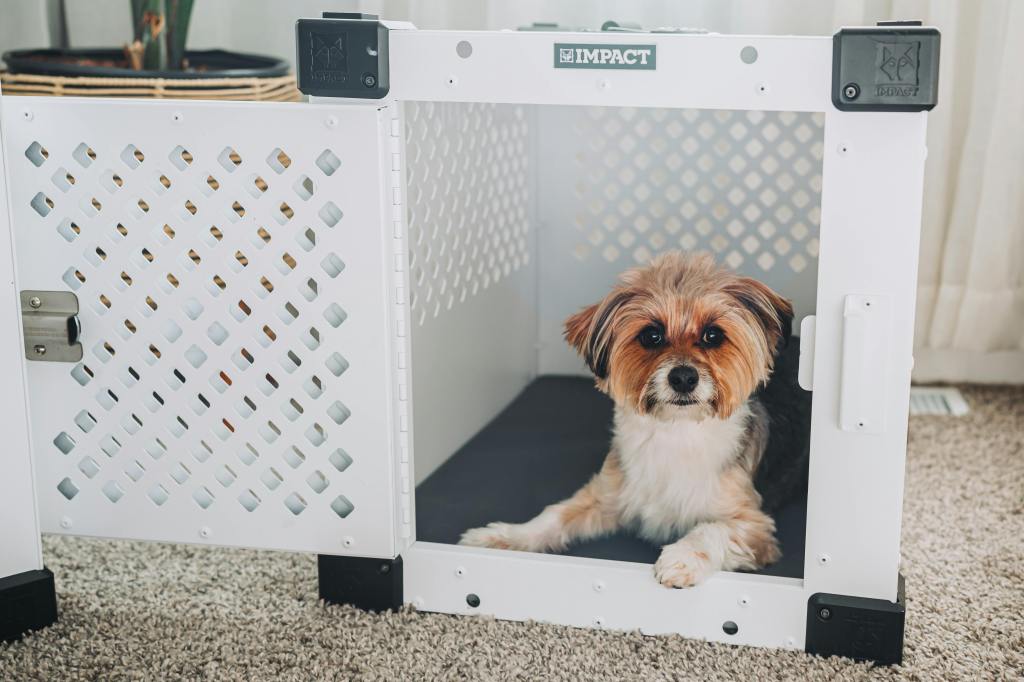
Calm engagement is one of the most desirable behaviors in a dog, especially when navigating daily life filled with distractions and excitement. It refers to a dog’s ability to remain composed while still being attentive and responsive. Crate training, when used thoughtfully, plays a powerful role in cultivating this behavior. It teaches dogs how to settle their energy, maintain focus, and respond to cues with a relaxed demeanor.
Professional trainers consistently use crates not just for containment, but as part of a behavioral blueprint that guides dogs toward calm, thoughtful interaction. Crates help create an emotional baseline where dogs can regulate their feelings, observe their surroundings without reacting, and prepare mentally for engagement. This makes them especially effective for puppies, high-energy dogs, or those with anxiety or impulse control issues.
Why Calm Engagement Matters
Calm engagement is the foundation for all reliable behavior. Whether you’re teaching basic commands, managing leash reactivity, or welcoming guests into your home, a calm dog is a teachable dog. Crate training reinforces this by promoting self-regulation and patience.
Key benefits include:
- Reducing overstimulation before training or outings
- Teaching patience and delayed gratification
- Reinforcing focus without hyperactivity
- Building confidence in new environments
- Encouraging thoughtful responses to stimuli
Dogs that learn to wait calmly in a crate are more likely to carry that composure into real-world settings, resulting in smoother transitions and improved communication.
Crate Time Before Engagement
Using crate time as a prelude to activity helps dogs shift into a calm, focused mindset. Instead of starting from a state of excitement, dogs begin with a clear head.
- Use short crate sessions before training or walks
- Wait for your dog to settle before releasing them
- Pair release with calm cues like “okay” or “let’s go”
- Avoid hyped tones or sudden movements when opening the crate
- Reinforce calm post-release behaviors with praise or light engagement
This strategy helps your dog associate calm behavior with the opportunity to engage, setting a tone of emotional balance.
Managing Arousal and Reducing Reactivity
Crate training helps manage a dog’s arousal levels and prevent reactive behavior. The crate becomes a decompression zone where dogs learn to settle.
- Use crate breaks during overstimulating events
- Offer calming toys or chews inside the crate
- Keep the crate in a quiet, low-distraction area
- Reinforce calm exits and re-entry with low-key praise
- Incorporate crate cues into your reactivity training plan
According to canine behavior research, consistent exposure to calm, predictable routines like crate training significantly reduces reactivity in anxious or impulsive dogs (source).
Teaching Calm as a Default Behavior
Dogs learn what gets rewarded. When calm behavior consistently leads to positive outcomes, it becomes the default.
- Reward your dog for lying quietly in the crate
- Use crate time after play to teach recovery and balance
- Incorporate crate breaks into social scenarios like visits or travel
- Pair crate cues with other calm activities like grooming or enrichment
- Use crate time to reinforce patience during delayed interactions
This pattern of reinforcement teaches dogs that calmness—not hyperactivity—is what opens the door to engagement.
Supporting Puppies and High-Energy Dogs
Young and energetic dogs often struggle with impulse control. Crates provide a space where they can practice self-regulation safely.
- Start with short, positive crate sessions throughout the day
- Introduce crate time after meals or high play periods
- Avoid overstimulating crate toys that increase arousal
- Offer structured exits and gentle redirection upon release
- Reinforce rest periods with soft praise or food-dispensing toys
Over time, these dogs learn to moderate their excitement and engage with intention rather than instinct.
Creating Predictable Routines
Routines foster calmness by reducing uncertainty. When a dog knows what to expect, they feel more secure and less reactive.
- Establish daily crate times during transitions (before walks, after meals)
- Use consistent cues and rituals around crate entry and exit
- Keep interactions calm and predictable
- Observe your dog’s energy patterns to adjust timing
- Use crate routines to support behavior generalization across contexts
These routines promote emotional balance and allow dogs to enter engagement ready to focus.
Long-Term Behavioral Benefits
Crate training for calm engagement has benefits that extend far beyond individual training sessions. It supports:
- Better emotional regulation during travel and vet visits
- Reduced separation anxiety through structured independence
- Improved socialization outcomes by teaching self-control
- Greater confidence in navigating novel environments
Dogs that understand how to engage calmly are safer, easier to train, and more enjoyable to live with in a variety of situations.
Conclusion
Crate training is far more than a management tool—it’s a method for shaping emotional resilience and teaching calm engagement. When integrated thoughtfully, crate time fosters patience, reduces overstimulation, and builds the foundation for a dog who responds to life with composure.Whether you’re preparing your dog for training, public outings, or household harmony, the crate provides the structured environment needed to nurture calm, focused behavior. For secure and thoughtfully crafted crate solutions, visit Impact Dog Crates.
 Top Dog Training Tips
Leave a comment