
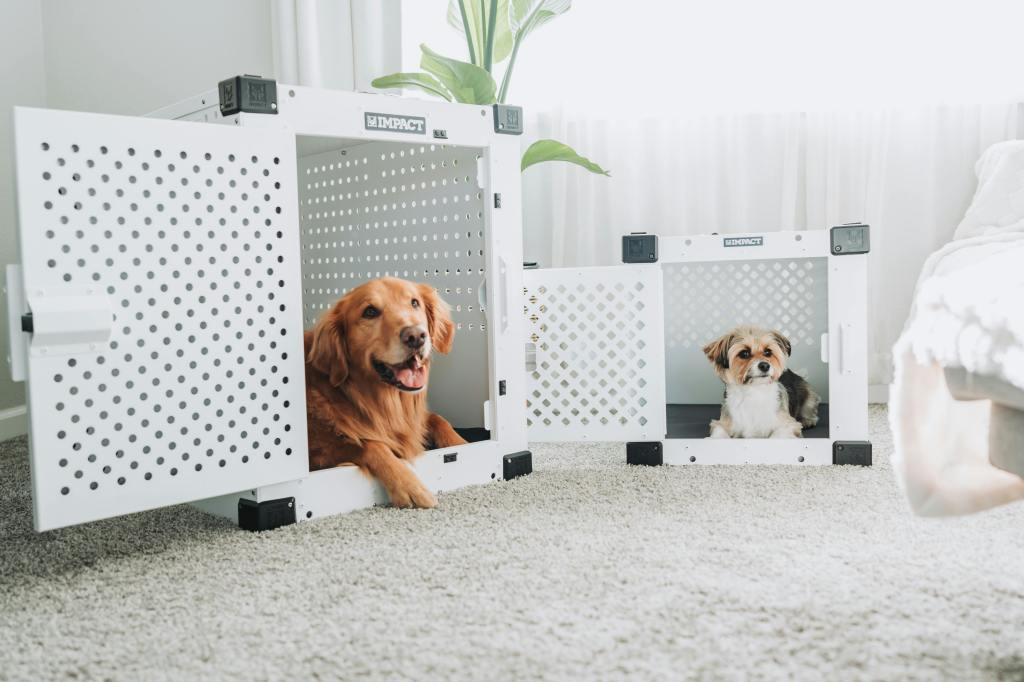
Training a dog isn’t just about the active learning moments—it’s also about how you manage their downtime. One of the most effective ways to support learning, emotional regulation, and energy balance is by using crate time between training sessions. This practice isn’t just for rest; it’s a powerful tool for helping your dog retain lessons, manage stimulation, and return to training in a calm, focused state.
Dogs, especially puppies or anxious dogs, can easily become overstimulated or mentally fatigued. By using the crate between training sessions, you create a rhythm that helps them process what they’ve learned and recharge emotionally. With consistency, crate time becomes a built-in part of the training strategy that supports better outcomes, increased engagement, and fewer behavioral issues.
Why Crate Time Enhances Training Effectiveness
Just like humans benefit from breaks between tasks, dogs also need structured pauses to absorb new information. Crate time helps solidify training through rest and repetition of calm behavior.
Benefits include:
- Promoting calm behavior after high-focus work
- Supporting mental and emotional recovery
- Creating predictability and reducing overstimulation
- Reinforcing learned commands through controlled stillness
- Teaching dogs to transition smoothly between activity and rest
- Enhancing emotional control and reducing anxiety triggers
According to canine behavior studies, structured downtime during training contributes to improved retention and emotional control (source).
Creating a Routine Around Crate Breaks
Consistency is key when using the crate between training sessions. Develop a reliable rhythm that incorporates activity, rest, and re-engagement.
- Begin with a short training session (5–15 minutes)
- Follow immediately with calm crate time (10–30 minutes)
- Allow for water and low-stimulation chew items
- Keep the environment quiet and relaxing
- Resume training once your dog has visibly calmed
- Repeat this cycle to create predictable training structure
This flow encourages better focus and reduces the risk of burnout or frustration during training. Dogs learn to expect a break and return to work more refreshed and engaged.
Supporting Anxious or Reactive Dogs
Crate breaks are especially valuable for dogs with anxiety or reactivity. They provide a consistent escape from stress and allow your dog to decompress.
- Place the crate in a quiet, safe area
- Use soft bedding and include calming toys or chews
- Limit visual stimulation with a cover if needed
- Avoid approaching the crate abruptly between sessions
- Reinforce calm behavior in the crate with soft praise
- Use crate breaks to interrupt potential overstimulation before it escalates
Crate time offers a buffer that helps anxious dogs manage transitions more successfully and supports their emotional development over time.
Reinforcing Crate Cues During Downtime
Using crate breaks between training also strengthens crate cues and independence.
- Use the same crate cue for consistency (e.g., “crate” or “kennel”)
- Reward voluntary entry into the crate
- Use crate time after working on commands that require impulse control
- Allow your dog to rest without frequent interaction to promote autonomy
- Use crate cues in different settings to generalize the behavior
These moments help build a well-rounded dog who understands that calm is just as valuable as action.
Transitioning Back to Training
After crate breaks, it’s important to transition your dog gently back into learning mode.
- Use a consistent release cue to signal crate exit
- Begin with light engagement or review past commands
- Keep your tone soft and encouraging to maintain calm energy
- Gradually build up to more complex exercises
- Observe your dog’s readiness to re-engage and adjust timing as needed
This process teaches your dog that work and rest exist in balance, helping them remain emotionally even and mentally focused.
Integrating Crate Time Into Daily Life
Beyond training, crate time can become a valuable part of your dog’s daily structure. When used thoughtfully, it supports overall behavior, energy management, and confidence.
- Include crate time during transitions (e.g., before meals or walks)
- Use it after stimulation like playtime or visitors
- Make crate time a normal part of rest—not just tied to training
- Observe your dog’s energy cues to determine optimal crate timing
This integration creates a rhythm that supports emotional balance and predictability, especially in young or anxious dogs.
Long-Term Benefits of Crate-Based Training Cycles
As your dog becomes familiar with the pattern of training followed by rest, they begin to anticipate the structure and settle into a productive routine.
- Builds focus and impulse control over time
- Reduces dependence on constant stimulation
- Encourages independent coping strategies
- Enhances overall training retention and performance
- Prepares your dog for real-world scenarios requiring patience
These outcomes are particularly helpful when preparing dogs for therapy work, agility, or other advanced training environments. Structured rest fosters long-term resilience.
Conclusion
Crate time between training sessions isn’t just a break—it’s an essential component of a thoughtful, effective training strategy. It helps dogs manage energy, absorb lessons, and build emotional resilience. By incorporating structured rest, you support your dog’s long-term behavioral success.Crate training bridges the gap between activity and reflection, giving your dog the best chance to thrive both mentally and emotionally. To make crate time even more effective, use a high-quality, secure crate designed for comfort and safety. Explore the collection at Impact Dog Crates.
 Top Dog Training Tips
Leave a comment