
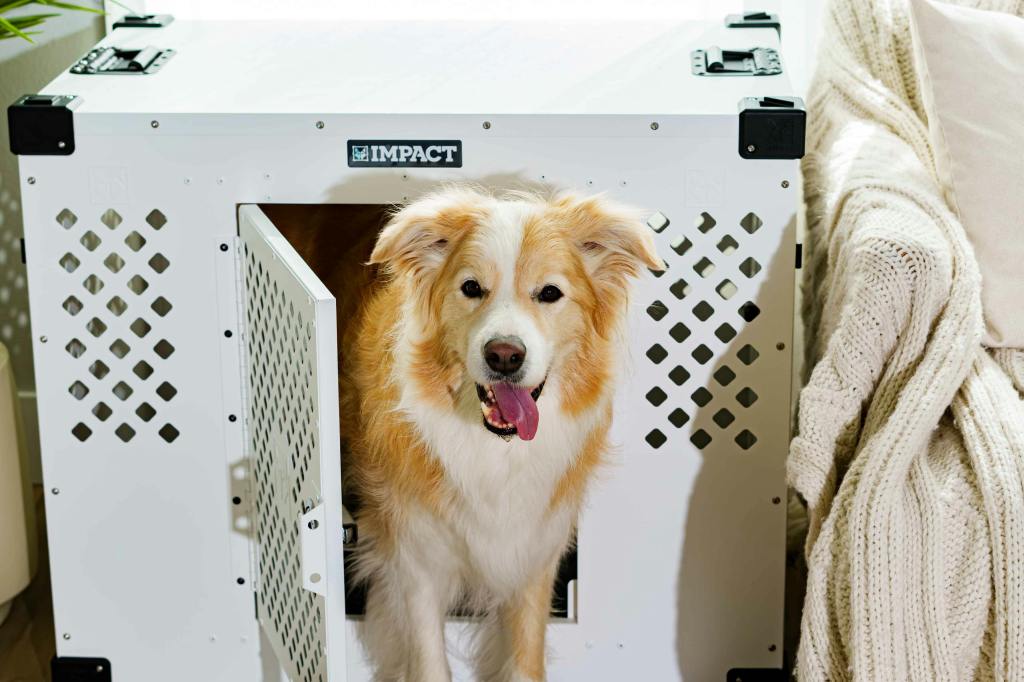
Crate training can be a cornerstone of a dog’s emotional and behavioral stability—but only when approached with clarity and consistency. One of the most effective ways to ensure crate time becomes a positive experience is by teaching crate cues. These are verbal or non-verbal signals that help your dog understand what is expected of them, reducing stress and preventing confusion. For anxious dogs, clearly defined crate cues provide a sense of predictability and control, which is essential for lowering anxiety and promoting calm behavior.
When a dog knows exactly what a cue means and how to respond to it, the crate becomes less of a mystery and more of a comforting space. Whether it’s a simple “crate,” a hand signal, or a routine pattern, these cues bridge communication gaps between dog and owner. They help your pet transition smoothly into crate time, whether during training, bedtime, or when guests arrive. Clear communication, particularly through crate cues, significantly improves the dog’s ability to relax and embrace their crate as a safe zone.
Why Crate Cues Matter for Emotional Well-being
Dogs thrive on consistency and understanding. When crate time is preceded by a known cue, dogs don’t feel ambushed or confused—they feel prepared. This is especially important for dogs with anxiety, who may react negatively to sudden or unclear actions.
Crate cues support emotional well-being by:
- Providing structure and routine
- Reducing startle or resistance behaviors
- Reinforcing positive associations with the crate
- Creating calm transitions between activity and rest
- Empowering dogs to act with confidence
- Building trust and strengthening the owner-dog relationship
Using crate cues helps build trust between you and your dog, reinforcing that you are a reliable and consistent presence in their life.
How to Introduce Crate Cues
The key to introducing crate cues lies in patience and positivity. Choose a simple verbal command, such as “kennel” or “crate,” and pair it with a hand gesture. Ensure your tone is calm and encouraging.
- Start with an open crate in a quiet space
- Use treats or toys to guide your dog inside
- Say the cue clearly as your dog enters
- Offer praise or a reward once inside
- Repeat short sessions daily, gradually increasing duration
- Incorporate crate cues into other positive daily routines
Avoid forcing or luring your dog harshly—crate cues should always be linked with positive experiences to build long-term trust and cooperation. Practice in short bursts throughout the day to reinforce the connection between cue and action.
Reinforcing Crate Cues Over Time
Like any command, crate cues need reinforcement to stay effective. Consistency across family members and contexts will prevent mixed signals and keep your dog feeling secure.
- Use the cue before naps, bedtime, or when leaving the house
- Maintain a calm demeanor each time
- Avoid using the crate as a punishment
- Occasionally reward calm behavior inside the crate
- Vary the cue’s timing to keep the response fresh
- Practice the cue during calm moments to reinforce positive outcomes
According to canine behavioral studies, dogs who receive predictable cues and outcomes show significantly lower stress responses during crate training (source).
Reinforcement isn’t just about treats—it’s about consistency and comfort. A dog that knows exactly what’s coming next feels more confident and willing to comply.
Managing Anxiety with Crate Cues
For anxious dogs, cues act as anchors. These signals tell your dog what’s coming next, which is particularly soothing during stressful situations. During fireworks, thunderstorms, or household chaos, a well-learned crate cue provides reassurance and direction.
- Practice crate cues in calm settings before applying them in high-stress moments
- Use familiar items like blankets or calming chews in the crate
- Pair cues with a soothing voice and body language
- Allow your dog to enter voluntarily whenever possible
- Stay nearby at first, gradually increasing independence
- Reinforce calm behavior with low-pressure rewards like gentle praise
This structured approach supports your dog’s ability to self-soothe and associate crate time with security rather than separation. In time, even anxious dogs begin to view the crate cue as an invitation to safety and peace.
Common Mistakes to Avoid
While crate cues are powerful tools, they can be undermined by inconsistent use or negative associations. Avoid these common pitfalls:
- Using the cue only when leaving the dog alone
- Raising your voice or sounding stressed when giving the cue
- Making the crate too stimulating or uncomfortable
- Ignoring signs of distress when the dog resists the cue
- Relying solely on the crate without other calming strategies
- Failing to reinforce the cue regularly or positively
Being mindful of these mistakes helps preserve the positive relationship your dog builds with both the crate and the cues that guide them there.
Expanding Crate Cues into Broader Behavior Management
Crate cues are just the beginning. Once established, they can be integrated into broader behavior management and training systems:
- Use the crate cue during structured downtime in busy environments
- Incorporate crate time into reward-based training plans
- Utilize crate cues in travel or new settings for a sense of familiarity
- Combine crate cues with desensitization techniques for fearful dogs
- Build crate cue routines into daily schedules for predictability
By thinking of crate cues as part of a larger emotional support system, you empower your dog to manage energy, anxiety, and transitions more successfully. Dogs trained with consistent crate cues tend to develop improved coping skills and reduced reactivity in new situations.
Conclusion
Crate cues are simple yet transformative tools that improve communication, reduce stress, and enhance your dog’s crate experience. Especially for anxious dogs, these cues offer the predictability and calm transitions necessary for emotional stability.
With thoughtful training and consistent use, crate cues help your dog view their crate as a safe, peaceful space. They become confident participants in their own routines, not confused observers of random events.To ensure the best results, pair crate cues with a high-quality crate environment. For expertly crafted crates that align with your dog’s comfort and security, explore the range at Impact Dog Crates.
 Top Dog Training Tips
Leave a comment