
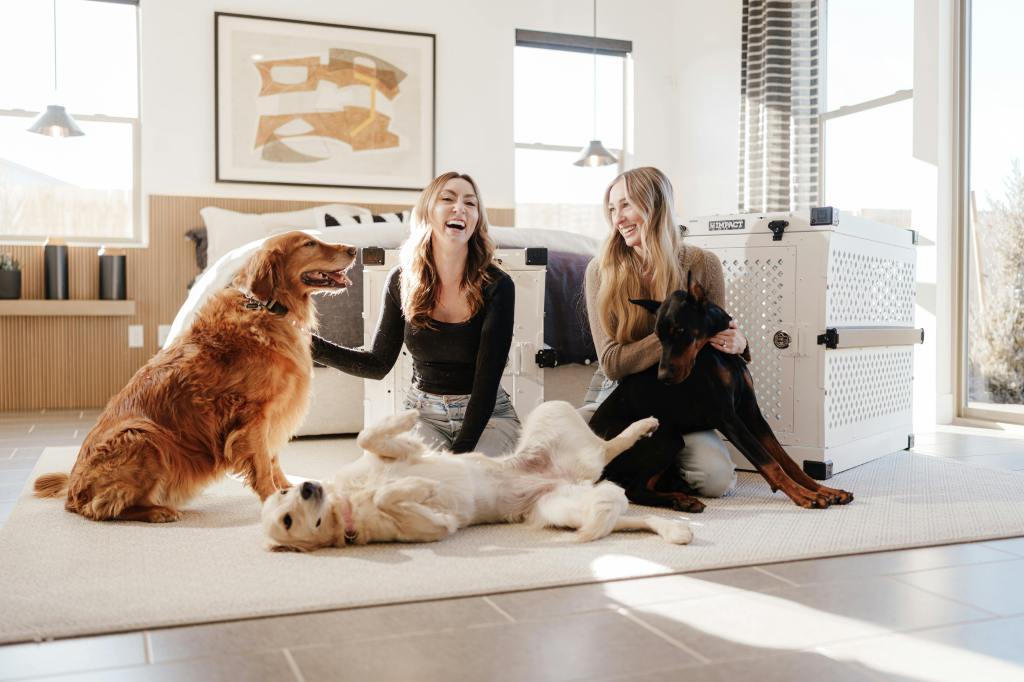
Crate training is widely recognized not only as a practical solution for managing a dog’s behavior but also as a vital tool in nurturing a calm, confident companion. A common issue many dog owners face is the burst of excitement their dog shows upon being let out of the crate. While a joyful welcome is heartwarming, excessive excitability can lead to undesirable behaviors such as jumping, barking, or even accidents. Training a confident crate exit is a crucial step toward shaping a composed demeanor and reinforcing your dog’s overall obedience.
When done correctly, crate training teaches your dog to see their crate as a secure and tranquil place, not just a waiting zone. The exit process, just like entry, must be structured and deliberate. Excitement at the crate door can signal a lack of control and patience, which can spill into other areas of life such as walks or greetings. A calm exit, on the other hand, reinforces impulse control, sets the tone for the day, and strengthens your bond through mutual respect and clear communication.
How to Train a Calm and Confident Crate Exit
The key to a smooth crate exit is consistency and patience. Begin by only opening the crate door when your dog is calm. If they rush forward, gently close the door and wait. This teaches them that calm behavior grants them freedom, not hyperactivity.
Use a release cue like “okay” or “free” to let them know they can step out. Practice this several times a day until your dog remains composed both before and after exiting. Short sessions, frequent practice, and gentle corrections help your dog learn that maintaining calmness is rewarded, reinforcing their obedience skills.
Benefits of a Controlled Crate Exit
Ensuring a composed crate exit contributes positively to your dog’s overall behavior and training. Here are the top benefits:
- Promotes impulse control: Dogs learn patience and self-regulation.
- Reduces unwanted behaviors: Minimizes barking, jumping, and chaotic greetings.
- Sets a calm tone for the day: A peaceful exit leads to a more manageable dog.
- Improves safety: Prevents dogs from dashing into unsafe situations.
- Supports training consistency: Reinforces structure and boundaries.
Simple Steps to Reinforce Calmness
Training for a confident crate exit can be easily broken down into a few clear steps. Incorporating these into your daily routine ensures lasting success:
- Wait for calm behavior before opening the door
- Use a consistent release cue every time
- Reward calm exits with praise or a treat
- Repeat multiple times daily to build a habit
- Ignore excitable behavior until calm is achieved
Why Excitability Should Be Addressed
Over-excitement at the crate door may seem harmless but can translate into broader behavioral issues. Allowing dogs to rush out reinforces hyperactivity and undermines discipline. In households with children or other pets, this behavior can also create safety concerns.
By intentionally shaping a confident and calm crate exit, you’re teaching your dog to transition between states of rest and activity without losing control. Research confirms that crate training, when associated with positive reinforcement, significantly reduces anxiety and promotes behavioral stability. For example, a study by the American Veterinary Society of Animal Behavior highlights how structured crate routines help manage stress and improve behavior (source).
Positive Reinforcement and Patience Pay Off
Dogs thrive on predictability and feedback. Training a confident crate exit involves reinforcing desirable behaviors repeatedly and being consistent in expectations. Avoid yelling or punishing excitable behavior—instead, withhold rewards until calmness is shown. This method builds trust and teaches your dog that calm behavior is not just desired but expected.
Another study from the Journal of Veterinary Behavior supports this, showing that dogs trained with consistent crate routines exhibit lower stress markers and respond more reliably to cues (source).
Conclusion
Teaching your dog to exit their crate calmly is not just about good manners; it’s about building a reliable foundation of obedience and emotional control. When your dog learns that calmness opens doors, both literally and figuratively, it leads to a more peaceful household and a happier, more confident canine companion.Investing time in this training pays off in countless ways, from smoother daily routines to safer interactions. For a crate that supports this kind of positive training, consider an option designed for comfort and durability like those available at Impact Dog Crates.
 Top Dog Training Tips
Leave a comment