
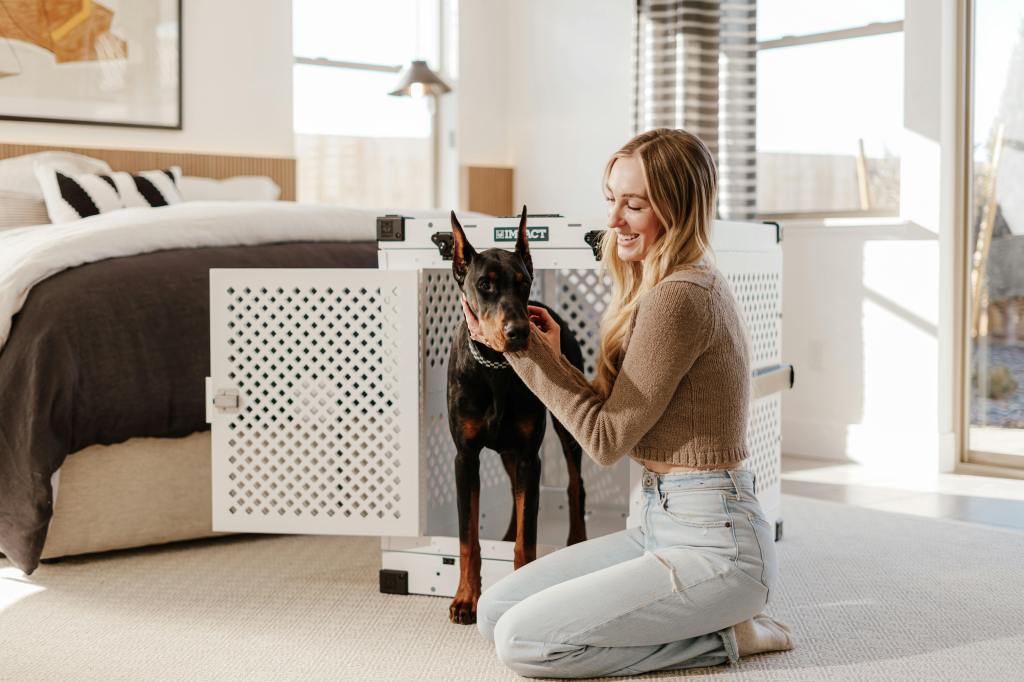
Crate training is a valuable tool in a dog owner’s toolkit, often associated with housebreaking and safe containment. However, its benefits go far beyond that. One of the more profound impacts crate training can have on a dog is the development of delayed gratification. Teaching a dog to wait patiently and self-regulate emotions is vital in shaping a balanced, obedient companion. Through carefully structured crate time, dogs can learn that good things come to those who wait, forming the foundation for well-mannered behavior in various settings.
Dogs, by nature, are impulsive creatures, responding quickly to stimuli without much thought. Just like young children, they need guidance in developing patience and control. Crate training introduces a safe space where dogs can settle and wind down, promoting calmness and reducing anxiety. Over time, this practice conditions dogs to expect rewards and interaction only after showing calm behavior, thereby reinforcing delayed gratification as a learned behavior. Research supports this method; a study published in the journal Animals emphasized the effectiveness of crate training in enhancing canine behavior and emotional regulation source.
How Crate Training Teaches Delayed Gratification
Using crate time strategically teaches dogs that they can’t always have what they want immediately. When done correctly, crate training doesn’t feel like a punishment but rather a routine where the dog learns self-soothing behaviors. For instance, a dog might initially whine or bark when crated, but if the owner consistently rewards silence and calmness, the dog will learn that being patient yields positive outcomes.
Over time, this patience becomes generalized beyond the crate. Dogs begin to apply the same self-control in other areas, such as waiting for meals, staying calm during greetings, or obeying commands before receiving a toy. The crate, in this way, acts as a controlled environment where dogs practice and perfect delayed gratification, helping to prevent behavioral issues rooted in impulsivity.
Benefits of Crate Training Beyond Housebreaking
Crate training offers several long-term advantages that directly and indirectly support delayed gratification:
- Encourages routine and structure: Dogs thrive on consistency. Scheduled crate times help instill a predictable routine.
- Promotes independence: Dogs learn to enjoy alone time without constant stimulation.
- Builds self-control: They learn that rewards (freedom, treats, attention) are earned through good behavior.
- Reduces anxiety: A familiar crate space becomes a refuge during stressful times.
- Supports obedience training: Delayed gratification in the crate translates into better performance in obedience commands.
Integrating Crate Time into Obedience Training
When crate training is incorporated into a broader obedience regimen, the results are transformative. Teaching sit, stay, and down commands before allowing a dog to exit the crate links behavior to reward. This not only reinforces obedience but also solidifies the concept of delayed gratification in the dog’s mind.
- Start with short crate sessions while your dog is calm.
- Only release the dog when quiet to avoid rewarding barking or whining.
- Use commands before releasing, such as “wait” or “okay,” to associate release with obedience.
- Incorporate calm exits by avoiding overly excited greetings.
Recognizing Signs of Progress
The journey of using crate time to teach delayed gratification is gradual but rewarding. Look for these indicators that your dog is learning:
- Waiting quietly in the crate without prompting.
- Reduced anxiety when crated, showing the dog sees the crate as a safe space.
- Improved patience in other areas, like waiting for food or not jumping on guests.
- Responding better to commands without immediate rewards.
Progress may vary depending on the dog’s temperament, but consistency and positive reinforcement are key to success.
Supporting Evidence for Crate-Based Behavioral Training
Scientific research supports the use of crate training as part of behavior modification strategies. A study from Frontiers in Veterinary Science highlighted how structured environments, like crate training, can foster emotional stability and reduce impulsive behaviors in dogs, which directly ties into the principles of delayed gratification source.
Tips for Maximizing Crate Training Benefits
To fully harness the power of crate training for teaching delayed gratification, consider these best practices:
- Never use the crate for punishment. Keep it a positive experience.
- Reward calm behavior. Avoid letting the dog out when excited or vocal.
- Keep crate sessions regular. Predictability enhances the learning experience.
- Incorporate quiet time toys. Chews or puzzle toys can help maintain calm behavior.
- Observe and adapt. Each dog is different; tailor crate time to their needs.
Conclusion
Crate training is much more than a tool for housebreaking—it is a cornerstone of behavioral development. By using crate time thoughtfully, dog owners can instill patience and self-control in their pets, skills that are crucial for a harmonious relationship. Delayed gratification, once learned through crate routines, lays the groundwork for a dog that listens, obeys, and remains calm even in stimulating environments.Whether you’re raising a new puppy or working with an older dog, integrating crate training into your daily routine can yield lifelong benefits. For a durable, secure, and comfortable crate option to support your training journey, explore the offerings at Impact Dog Crates.
 Top Dog Training Tips
Leave a comment