
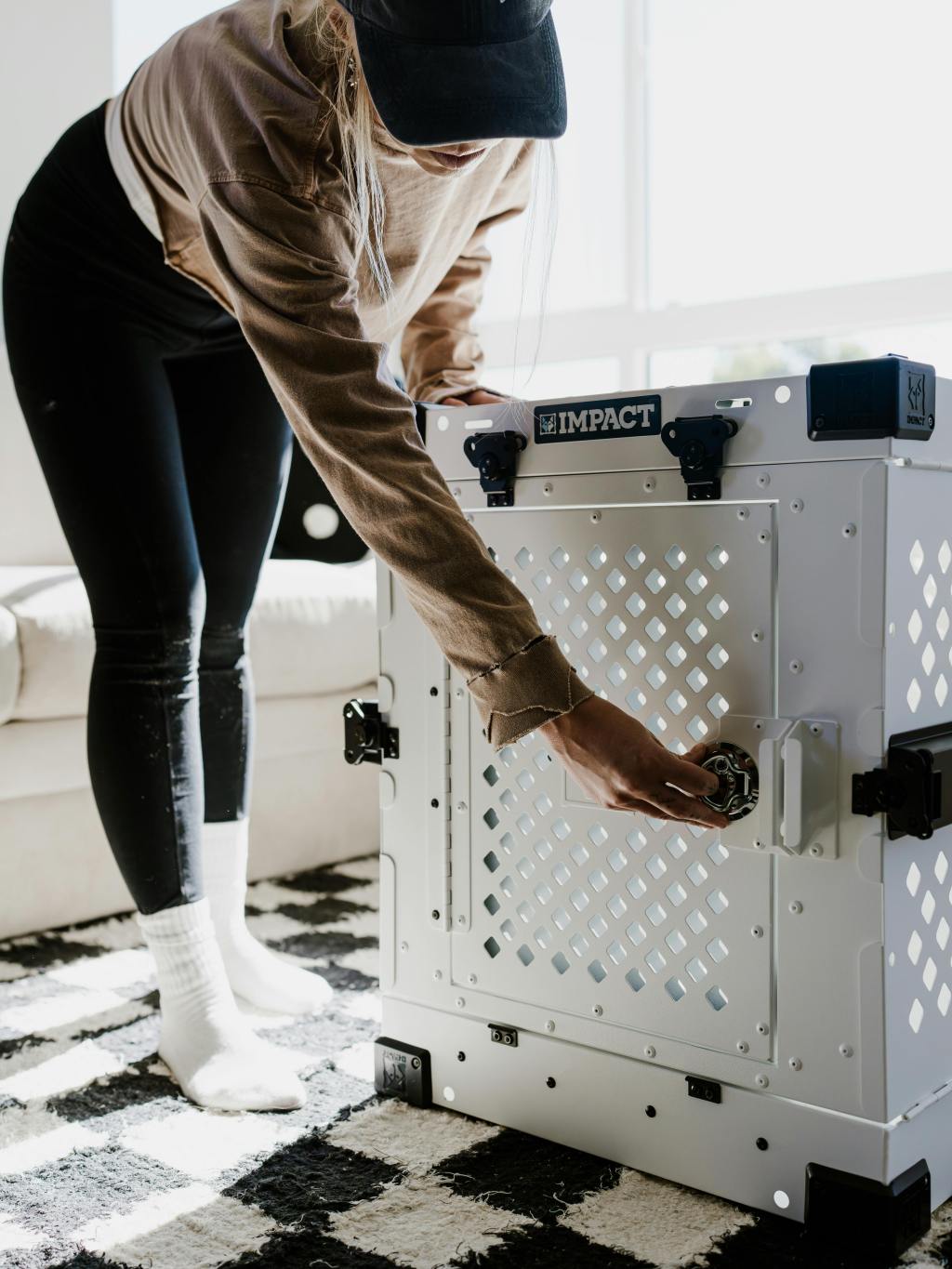
When it comes to nurturing a well-mannered and obedient dog, consistency is key. Dogs thrive in environments where expectations are clear and routines are predictable. One of the most effective tools in shaping a dog’s behavior—particularly in preventing the repetition of undesirable actions—is crate training. Far from being a punitive measure, a properly used crate provides structure, security, and a positive space that helps guide dogs toward good habits.
Crate training is more than just a housebreaking shortcut; it serves as a foundational strategy for long-term behavioral development. Dogs naturally seek out small, den-like environments where they feel safe. Utilizing a crate taps into this instinct, giving them a personal space that can be used to manage behavior and encourage calmness. When used responsibly, crate training limits opportunities for a dog to rehearse bad behaviors, such as destructive chewing, excessive barking, or indoor accidents. Over time, this creates a stable framework in which desired behaviors can flourish.
How Crate Training Prevents Bad Behavior Rehearsal
By limiting a dog’s unsupervised time, crates act as a boundary that prevents the practice of bad habits. Every time a dog chews a shoe or raids the trash without correction, the behavior becomes more deeply ingrained. A crate offers a simple, humane way to eliminate these moments when training cannot be actively supervised.
In essence, crates provide controlled exposure to the environment, ensuring that dogs only encounter situations where they can succeed. This kind of environment sets the stage for quicker learning and fewer setbacks. Through gradual conditioning, the crate becomes a tool for both preventing bad behavior and encouraging self-control.
Key Benefits of Crate Training for Behavior Management
Understanding the behavioral advantages of crate training can help dog owners apply it more effectively. Here are some of the core benefits:
- Prevents destructive behaviors: Limits access to household items when unsupervised, reducing the chances of chewing, digging, or scratching.
- Encourages potty training: Dogs instinctively avoid soiling their sleeping area, which supports consistent housebreaking.
- Reduces anxiety: A secure space can lessen anxiety in dogs, especially during thunderstorms or when left alone.
- Promotes rest: Crates provide a quiet place to relax, helping dogs learn to settle and sleep through the night.
- Supports obedience training: By restricting unwanted behaviors, crates create opportunities to reinforce desirable ones.
- Aids in travel and vet visits: Familiarity with a crate can make transportation and medical appointments less stressful.
Crate Training Tips for Success
Successful crate training requires patience, consistency, and a clear understanding of your dog’s needs. Follow these tips to ensure positive outcomes:
- Introduce the crate gradually: Let your dog explore the crate with the door open before encouraging longer stays.
- Make it inviting: Use soft bedding, favorite toys, and treats to create a welcoming environment.
- Use positive reinforcement: Reward calm behavior and avoid using the crate as punishment.
- Follow a schedule: Regular crate time followed by supervised play helps establish a routine.
- Keep sessions short initially: Start with a few minutes and gradually increase duration as your dog becomes comfortable.
- Stay consistent: Mixed messages can confuse dogs. Maintain a predictable crate schedule.
Integrating Crates Into Daily Life
Crate training should blend seamlessly into your dog’s everyday routine. When done right, the crate becomes a familiar and favored space rather than a symbol of restriction.
- Use during meal times: Feed your dog in the crate to build positive associations.
- Provide rest after walks: Let your dog relax in the crate after exercise to reinforce calm behavior.
- Utilize during busy times: When guests arrive or during cleaning, crates provide a safe place for your dog.
- Nighttime crating: Sleeping in the crate helps reinforce nighttime boundaries and prevents nighttime mischief.
Research Backs Crate Training Benefits
Scientific research supports the use of crate training as a behavioral tool. A study from the Journal of Veterinary Behavior emphasizes how crate training can improve overall behavior and reduce anxiety-related issues (source). Additionally, findings from the American Veterinary Medical Association highlight the role of controlled confinement in preventing reinforcement of negative behaviors and enhancing training outcomes (source).
Conclusion
Using crates to prevent rehearsal of bad behaviors is a strategy rooted in understanding canine instincts and promoting structured learning. By offering a consistent, safe space, crate training helps mitigate the chances for dogs to practice unwanted behaviors while fostering the habits we want to see more of.
Over time, crate training helps create a calm, obedient, and confident companion. For pet owners looking to enhance this process with durable, secure, and comfortable options, explore the premium designs available at Impact Dog Crates.
 Top Dog Training Tips
Leave a comment