
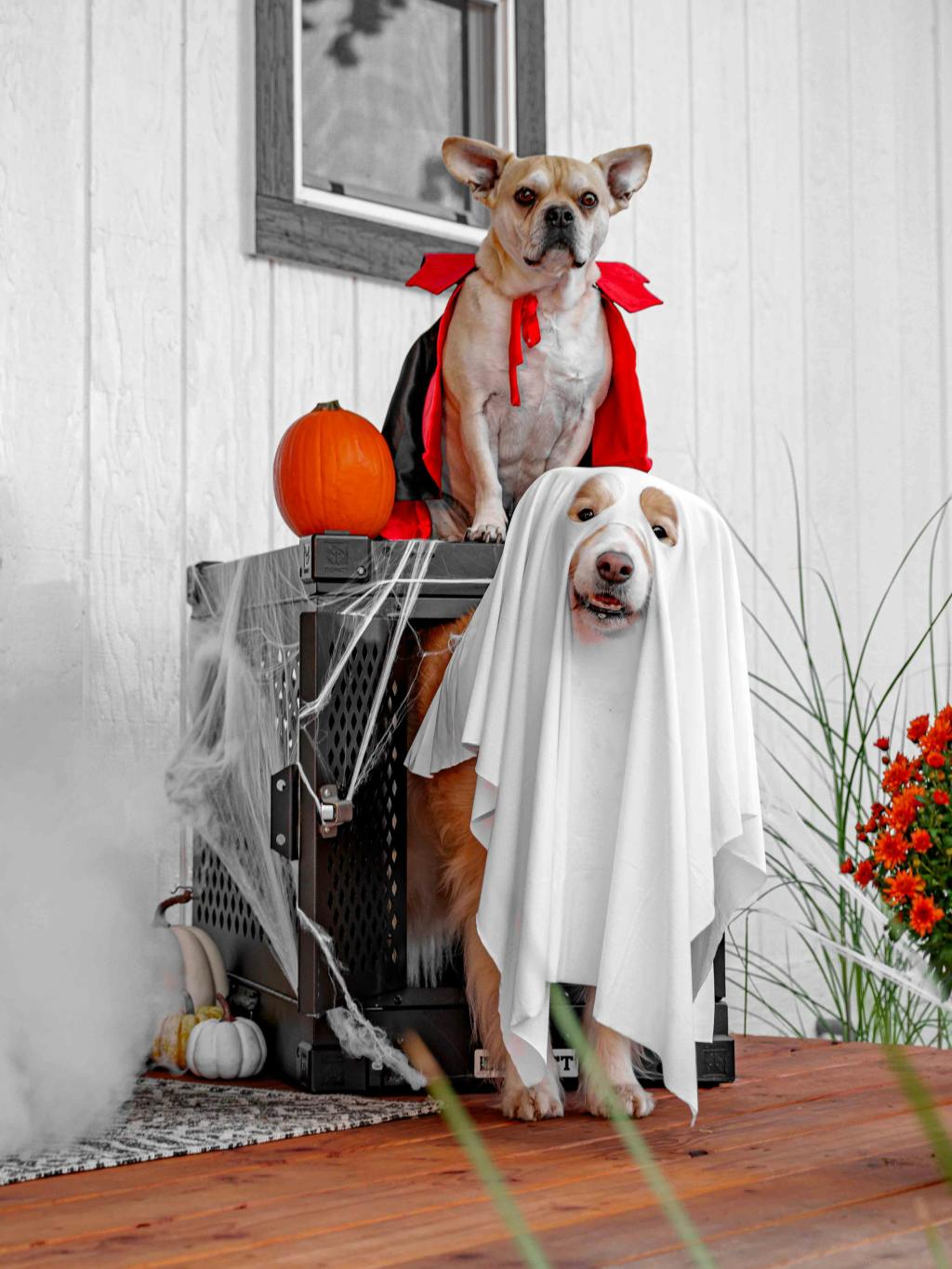
In the dynamic world of dog sports, from agility to obedience trials, crate training has become an indispensable tool for competitors. It’s not merely about containment; it’s about providing a structured environment that supports a dog’s physical and mental well-being. Crate training offers a sanctuary for dogs amidst the hustle of competitions, ensuring they remain calm, focused, and ready to perform at their best.
Beyond the competitive arena, crate training plays a pivotal role in addressing canine anxiety. Many dogs experience stress in unfamiliar settings or during high-energy events. A well-introduced crate serves as a safe haven, helping dogs manage their anxiety by offering a familiar and secure space to retreat to when needed. This simple structure can be a transformative part of their coping mechanism, especially in noisy or chaotic environments that could otherwise overwhelm them.
Crate Training: A Key to Success in Dog Sports
Crate training is more than a convenience; it’s a strategic component of a successful dog sport regimen. Competitors rely on crates to provide their dogs with a consistent routine, which is essential for peak performance. A crate-trained dog understands when it’s time to rest and when it’s time to engage, leading to better focus and energy management during events.
Moreover, crate training facilitates smoother transitions during travel and competitions. Dogs accustomed to their crates adapt more easily to new environments, reducing stress and enhancing their overall performance. This adaptability is crucial in the fast-paced world of dog sports, where change is constant.
Crates also offer a practical solution for ensuring safety. At crowded events, they prevent dogs from becoming overstimulated or potentially involved in altercations. This controlled space allows the dog to relax and reset between runs or activities, helping to maintain their emotional balance throughout the day.
Benefits of Crate Training for Anxious Dogs
Crate training offers numerous advantages, especially for dogs prone to anxiety. Here’s how it helps:
- Provides a Safe Space: A crate becomes a personal den where a dog can feel secure, reducing anxiety levels.
- Establishes Routine: Regular crate time creates a predictable environment, which is comforting for anxious dogs.
- Prevents Destructive Behavior: By confining the dog during stressful times, it prevents behaviors like chewing or excessive barking.
- Aids in Recovery: Post-competition or after stressful events, a crate offers a quiet place for rest and recuperation.
- Facilitates Training: Crate training can be integrated with other behavioral training methods to address anxiety issues effectively.
- Supports Veterinary Recovery: For anxious dogs recovering from surgery or illness, crates provide a calm and contained space for healing.
- Promotes Independence: Learning to rest alone in a crate fosters a healthy independence in dogs, easing separation-related stress.
Implementing Crate Training Effectively
To maximize the benefits of crate training, especially for anxious dogs, consider the following steps:
- Introduce Gradually: Allow the dog to explore the crate at their own pace, ensuring positive associations.
- Use Positive Reinforcement: Reward the dog for entering and staying in the crate calmly.
- Maintain Consistency: Establish a routine for crate time to build a sense of security.
- Ensure Comfort: Equip the crate with comfortable bedding and familiar toys.
- Avoid Using as Punishment: The crate should always be a positive space, not associated with negative experiences.
- Practice Patience: Dogs, especially those with anxiety, may take time to adjust. Consistency and kindness are key.
- Monitor Time Spent: Avoid leaving dogs in the crate too long. Balance crate time with regular exercise and socialization.
Scientific Backing and Expert Insights
Studies support the use of crate training for improving canine behavior and reducing anxiety. According to research published in the Journal of Veterinary Behavior, crate training, when done correctly, can reduce stress in dogs, particularly in stressful environments like shelters or during travel (source).
Additionally, veterinarians and professional trainers often advocate for crate training as part of a holistic approach to managing anxiety. A structured and consistent crate routine can make a significant difference in how a dog copes with triggers and recovers from overstimulation. Dogs that regularly use their crate tend to show fewer signs of stress and more stable emotional responses overall.
Crate Training and Behavioral Improvements
Crate training can play a central role in shaping positive behaviors in dogs. Here are some ways it helps:
- Reduces Anxiety-Induced Accidents: Dogs with anxiety may have more accidents indoors. A crate helps reinforce house-training routines.
- Improves Sleep Quality: Crates offer a distraction-free space, improving rest and reducing nighttime anxiety.
- Enhances Focus During Training: A well-rested, calm dog is more receptive to commands and learns faster.
- Encourages Calmness: Regular crate use helps dogs learn to settle on their own, promoting overall calm behavior.
Conclusion
Crate training is a vital practice for dog sport competitors, offering a multitude of benefits that extend beyond the competition field. It provides a structured environment that supports a dog’s mental and physical health, particularly for those dealing with anxiety. By creating a safe and consistent space, crate training enhances a dog’s ability to perform and adapt to various situations.
For those seeking a reliable solution to support their dog’s training and well-being, consider exploring the range of options available at Impact Dog Crates. Their products are designed to offer durability and comfort, ensuring your canine companion has the best possible environment to thrive in both competitive and everyday settings.
 Top Dog Training Tips
Leave a comment