
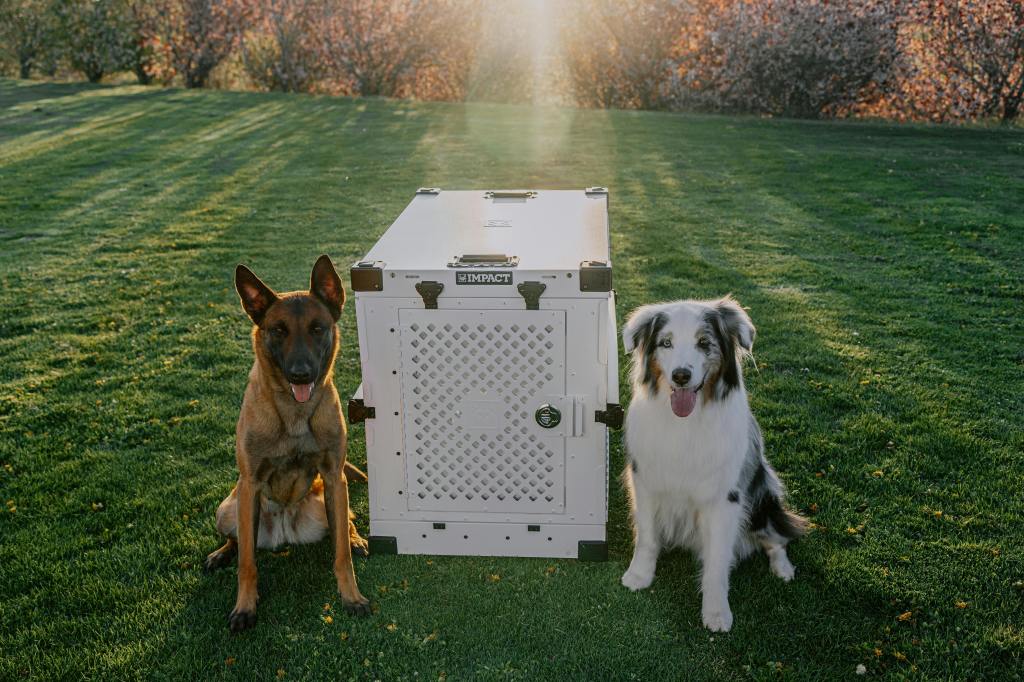
Crate training is often associated with housebreaking or confinement, but it can also be an incredibly effective positive reinforcement tool. When used correctly, crate time becomes more than just containment—it becomes a rewarding and comforting experience that promotes good behavior and emotional balance.
Many dog owners struggle to make crate training feel positive, but with the right approach, the crate can become a happy retreat rather than a dreaded prison. In this article, we’ll explore how to use crate time as a positive reinforcement tool, making it a key element of your dog’s training routine.
Why Use Crate Time as Positive Reinforcement?
Positive reinforcement is a fundamental principle in dog training. It involves rewarding desirable behaviors to increase the likelihood that they will be repeated. Crate time, when associated with relaxation and rewards, becomes a powerful tool to:
- Encourage Calm Behavior: Teaching your dog to relax on command.
- Reduce Anxiety: Creating a safe and predictable environment.
- Reinforce Routine: Establishing consistent patterns that promote stability.
- Prevent Behavioral Problems: Minimizing destructive behaviors when left alone.
According to the American Kennel Club (AKC), using positive reinforcement is one of the most effective ways to train dogs and build lasting behavioral changes (source: AKC). Integrating crate time into positive reinforcement routines can significantly enhance training success.
How to Make Crate Time Positive
Creating positive associations with crate time is essential. Your dog should willingly and happily enter the crate, rather than seeing it as a form of punishment or isolation.
1. Choose the Right Crate Setup
The setup of the crate plays a crucial role in how your dog perceives it. A poorly designed or uncomfortable crate can lead to stress and avoidance.
Essential Features:
- Comfortable Bedding: Use a soft, washable mat or pad to make it cozy.
- Favorite Toys and Chews: Provide enrichment to keep your dog engaged.
- Proper Ventilation: Allow airflow while maintaining a den-like feel.
- Quiet Location: Position the crate in a low-traffic area to reduce stress.
2. Use High-Value Rewards
Rewarding your dog for entering and staying in the crate reinforces that it’s a good place to be.
Types of Rewards to Use:
- Treats: Use high-value treats like small pieces of chicken or cheese.
- Chew Toys: Long-lasting chews help your dog feel content and relaxed.
- Praise and Affection: Calm, gentle praise when your dog enters or stays inside.
- Interactive Toys: Puzzle feeders or treat-dispensing toys encourage mental engagement.
Reward Timing:
- Reward your dog as soon as they enter the crate.
- Praise them for lying down and staying calm.
- Give a small treat when they remain relaxed for an extended period.
Training Techniques to Use Crate Time as Positive Reinforcement
1. Teaching Calmness and Settling
One of the most valuable uses of crate time is teaching your dog to settle down and relax.
Steps:
- Introduce the Crate Slowly: Allow your dog to explore without pressure.
- Reward Voluntary Entry: Toss treats inside and praise any curiosity.
- Command Association: Use a calm command like “Crate” or “Bed” when guiding them in.
- Gradual Duration Increase: Start with short stays and gradually increase the time.
Why It Works:
When your dog learns to associate the crate with relaxation, they are more likely to choose it voluntarily when feeling anxious or tired.
2. Crate as a Calm-Down Spot
If your dog gets overly excited or anxious, crate time can be used as a calm-down period rather than a punishment.
Steps:
- Cue the Crate Command: Use the chosen word calmly and consistently.
- Guide Them Inside: Encourage entry without force.
- Reward with a Calming Toy: Use a stuffed KONG or a slow feeder.
- Soft Music or White Noise: Play calming sounds to help them unwind.
Pro Tip:
According to research from the National Institutes of Health (NIH), soft classical music has a calming effect on dogs and can reduce stress levels significantly (source: NIH).
3. Rewarding Independence and Alone Time
Dogs that struggle with separation anxiety can benefit greatly from crate training as a positive reinforcement tool.
Steps:
- Start Small: Practice short periods where you step out of sight.
- Return Calmly and Quietly: Avoid making a big fuss when you return.
- Praise and Treat Upon Calm Behavior: Reward your dog only if they remained calm during your absence.
Why It Works:
Gradually building independence helps reduce clingy behavior and reinforces that being alone in the crate is safe and normal.
When to Use Crate Time as Positive Reinforcement
Timing is crucial when using the crate as a positive reinforcement tool. Here are some ideal situations:
1. After Exercise or Play
When your dog is naturally tired, crate time becomes a rewarding rest period.
2. During Routine Downtime
Regularly crating your dog while you do quiet activities helps normalize crate time without it feeling like isolation.
3. When Guests Arrive
If your dog becomes overly excited or anxious around new people, crating can help them settle and observe calmly.
4. Bedtime Routine
Using the crate at night reinforces the idea that it’s a safe, restful place, leading to better sleep and reduced nighttime anxiety.
Common Mistakes to Avoid
1. Using the Crate as Punishment
Never send your dog to the crate after a mistake or misbehavior. This creates negative associations that are hard to break.
2. Skipping Rewards
Forgetting to reward crate entry or calm behavior weakens the connection between the crate and positive experiences.
3. Inconsistent Routine
Erratic use of the crate confuses your dog and reduces the effectiveness of positive reinforcement. Make crate time consistent and predictable.
Signs of Successful Crate Training
You know your positive reinforcement strategy is working when you observe:
- Voluntary Crate Use: Your dog chooses the crate without being prompted.
- Calm Behavior Inside: They lie down and relax without excessive whining or pawing.
- Quick Adjustment: Your dog settles quickly when crated.
- Happy Entry: Wagging tails and calm behavior when approaching the crate.
Final Thoughts: Make Crate Time Rewarding and Positive
Crate training doesn’t have to feel like confinement. When used as a positive reinforcement tool, the crate becomes a space where your dog feels comfortable, secure, and content. By associating the crate with rewards, relaxation, and calmness, you create a space your dog loves rather than fears.Investing in a high-quality, durable crate like Impact Dog Crates ensures that your dog has a safe, secure, and inviting space to retreat to. With the right approach, your dog will learn to see crate time as a positive experience, making training smoother and your relationship stronger.
 Top Dog Training Tips
Leave a comment