
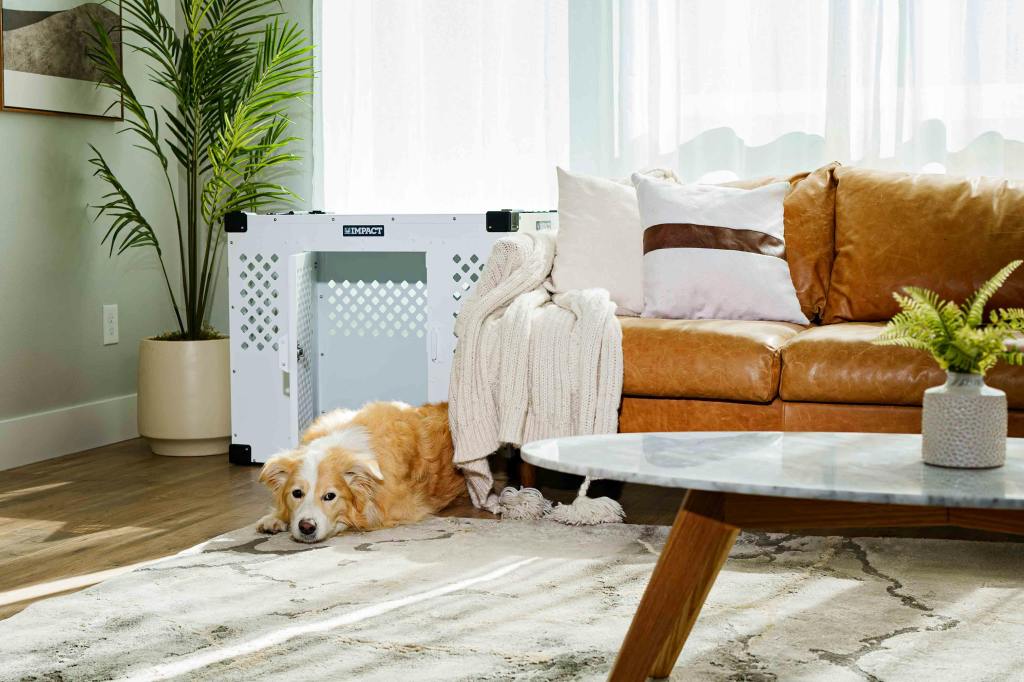
Crate training is often associated with puppy training or housebreaking, but its value goes far beyond the basics. When properly utilized, crate training becomes an indispensable tool for advanced obedience work, laying the foundation for discipline, focus, and mental stability. Whether training a pet for competitive obedience, therapy work, or just enhancing everyday manners, crate training can be the cornerstone of your approach.
In this guide, we’ll explore how crate training enhances advanced obedience, why it’s a vital part of structured training routines, and how to incorporate it effectively for optimal results.
Why Crate Training is Crucial for Advanced Obedience
Advanced obedience training requires a dog to be focused, disciplined, and emotionally balanced. Crate training supports these goals by:
- Building Impulse Control: Teaching dogs to remain calm and composed when confined.
- Promoting Independence: Encouraging dogs to self-soothe rather than constantly seeking attention.
- Enhancing Focus: Providing a structured environment that reduces distractions during training.
- Establishing Boundaries: Helping dogs learn when to be active and when to settle down.
According to the American Kennel Club (AKC), crate training not only aids in basic training but also significantly contributes to advanced obedience skills by fostering discipline and controlled behavior (source: AKC).
1. Crate Training Builds Impulse Control
Impulse control is one of the most challenging aspects of advanced obedience. Dogs naturally react to stimuli, but obedience work demands that they wait patiently, respond thoughtfully, and remain calm even in exciting situations.
How Crate Training Helps:
- Teaches Patience: By crating your dog for short periods during training, you teach them to wait calmly before being released.
- Reduces Hyperactivity: The crate becomes a place to wind down and reset after high-energy activities.
- Promotes Relaxation on Command: Dogs learn to associate the crate with a calm, settled state, making it easier to command relaxation even outside the crate.
Training Exercise: Crate and Release
- Command: Use a consistent phrase like “Crate” to signal your dog to enter.
- Wait for Calmness: Do not release your dog until they are calm and composed.
- Reward Calm Behavior: Use a treat and verbal praise when they settle.
- Practice Multiple Times: Reinforce the idea that calmness leads to release.
2. Crate Training Enhances Focus and Mental Stability
In advanced obedience, a focused dog is a successful dog. Whether performing complex commands or maintaining composure in a bustling environment, dogs need to block out distractions and stay mentally stable.
The Crate as a Mental Reset Zone:
- Safe Space for Decompression: Dogs can retreat to their crate to reduce sensory overload.
- Mental Clarity Before Training: Spending a few minutes in the crate before obedience sessions can clear the mind and settle nerves.
- Post-Training Relaxation: After a demanding session, the crate becomes a place to process and relax.
Using the Crate to Build Focus:
- Short Crate Sessions Before Work: Let your dog rest and reset before training complex behaviors.
- Reward Calm Focus: Praise your dog for maintaining a calm, focused demeanor when in the crate.
- Controlled Exits: Only release your dog when they demonstrate composure.
3. Crate Training Supports Reliable Off-Leash Behavior
Advanced obedience often includes off-leash work, where the dog must remain focused and controlled without physical restraint. Crate training teaches dogs to self-regulate their behavior even when given freedom.
How It Translates to Off-Leash Reliability:
- Controlled Entry and Exit: Teaching your dog to calmly enter and exit the crate without lunging reinforces similar behaviors off-leash.
- Structured Routines: Routine crate use helps dogs learn to respect boundaries even without a physical barrier.
- Reinforces the “Place” Command: Dogs learn that staying in one spot until released is a fundamental expectation.
Advanced Drill: Crate to Off-Leash Transition
- Calm Entry: Command your dog into the crate with a clear cue.
- Wait for Calmness: Only open the door when your dog is sitting quietly.
- Off-Leash Heel from Crate: Practice transitioning from crate to a controlled off-leash walk, reinforcing calm exits.
4. Creating a Training Routine with Crate Breaks
Incorporating crate breaks into your training routine helps maintain your dog’s mental clarity and physical stamina. Advanced obedience often involves prolonged focus, and short crate intervals prevent burnout.
Routine Structure:
- Warm-Up Phase: Short crate session before training to calm the mind.
- Training Intervals: Incorporate brief crate breaks between different exercises to recharge and reset.
- Cool-Down Period: End each session with crate time to allow decompression.
5. Utilizing Crate Time for Problem Solving
Advanced obedience often requires problem-solving skills, where dogs must think critically and respond accurately. Crate time can help dogs mentally process commands and scenarios, fostering better learning retention.
Problem-Solving Drills with Crate Use:
- Crate and Command Sequence: After practicing a challenging skill, use crate time to let your dog mentally process the lesson.
- Repetition with Breaks: Break down complex commands into smaller parts, crating between attempts to reinforce retention.
6. Crate as a Reward and Reinforcer
One of the most overlooked aspects of advanced obedience is using the crate itself as a reward. When dogs learn to see their crate as a positive space, entering it willingly becomes a rewarding behavior rather than a forced action.
Rewarding with Crate Time:
- Post-Training Relaxation: After completing challenging tasks, allow your dog to rest in the crate with a special chew toy or treat.
- Voluntary Use: Praise your dog whenever they choose to enter the crate independently, reinforcing that it’s a pleasant place to be.
Mistakes to Avoid in Advanced Crate Training
1. Using the Crate as Punishment
If the crate is seen as a place of isolation or punishment, it undermines the dog’s trust and reduces its effectiveness as a training tool.
2. Inconsistent Use
Advanced training requires consistent cues and routines. Avoid sending mixed signals by varying the way you use the crate.
3. Skipping Rewarding Calm Behavior
Always acknowledge calm, controlled behavior when crating. Ignoring good habits can cause regression in advanced obedience skills.
Long-Term Benefits of Advanced Crate Training
When crate training becomes an integral part of advanced obedience, you achieve:
- Enhanced Mental Focus: Your dog learns to block out distractions.
- Better Impulse Control: Calm, controlled behavior becomes second nature.
- Increased Reliability: Dogs become more predictable in their responses, both on and off-leash.
- Improved Emotional Stability: The crate becomes a mental reset space, preventing overstimulation and burnout.
Investing in a high-quality, durable crate like Impact Dog Crates ensures that your dog’s sanctuary remains comfortable, secure, and noise-resistant, even during intense training scenarios. A well-constructed crate provides the peace and stability your dog needs to focus and excel during advanced obedience work.By incorporating crate time thoughtfully and positively, you establish a structured environment that fosters discipline and focus, setting the stage for impressive and reliable obedience skills.
 Top Dog Training Tips
Leave a comment