
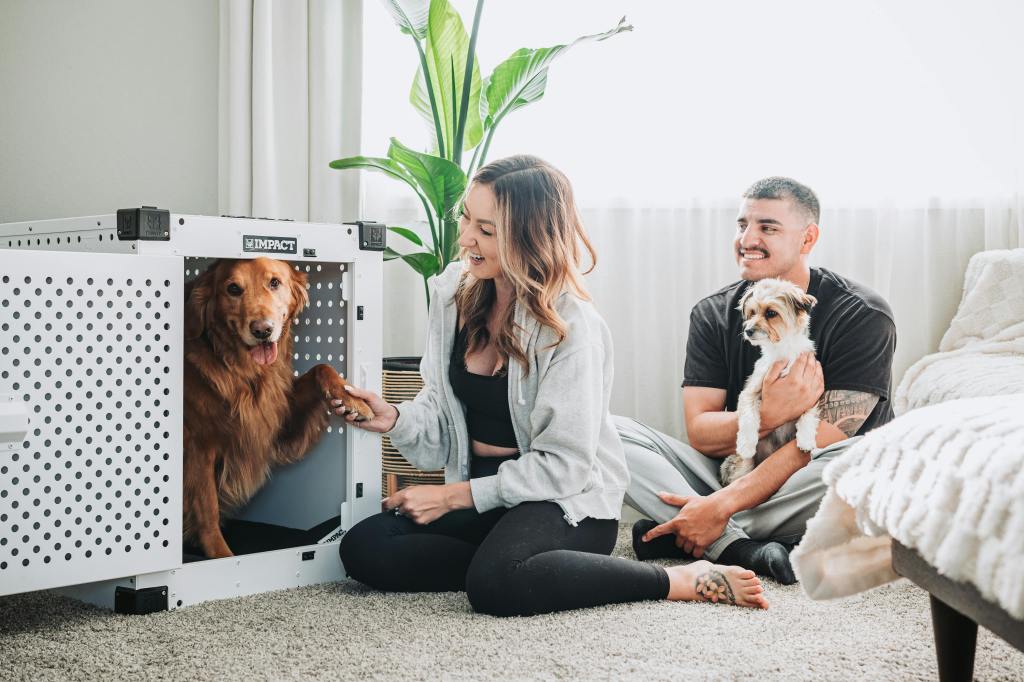
Impulse control is an essential skill for any well-behaved dog. It’s the ability to resist acting on immediate desires, like jumping on guests, lunging at other animals, or grabbing food off the counter. While some dogs naturally have more self-control than others, all canines benefit from structured training to develop better impulse management.
One of the most effective ways to teach impulse control is through crate training. A properly crate-trained dog learns to wait patiently, calm down when excited, and manage their impulses. In this guide, we’ll explore how crate training can help build impulse control and why it’s an invaluable part of any dog’s behavioral training.
Why Impulse Control is Crucial for Dogs
Impulse control goes beyond basic obedience—it’s fundamental to safety, stress management, and social behavior. Dogs with poor impulse control may:
- Bark excessively at people or animals.
- Jump on guests or strangers.
- Lunge at other dogs during walks.
- Snatch food from tables or hands.
- Bolt out the door without warning.
According to the American Veterinary Medical Association (AVMA), lack of impulse control is a leading cause of behavioral issues that can strain human-animal relationships (source: AVMA). Developing impulse control not only improves your dog’s behavior but also enhances their quality of life.
How Crate Training Builds Impulse Control
Crate training inherently teaches dogs to wait calmly, stay relaxed, and manage excitement. When done correctly, it fosters self-discipline and enhances your dog’s ability to cope with stimulating or frustrating situations.
1. Teaches Patience and Waiting
One of the foundational lessons in crate training is that good things come to those who wait. This principle directly translates to impulse control.
Why It Works:
- Dogs learn that calmness and composure lead to rewards, whether it’s being let out or receiving a treat.
- The crate becomes a signal for relaxation, not a place for frantic energy.
Training Steps:
- Command and Enter: Use a specific cue like “Crate” and reward calm entry.
- Close the Door Slowly: Praise your dog if they remain calm.
- Wait for Stillness: Do not open the door if they are whining or pawing.
- Release on Cue: Only let them out when they are settled, reinforcing that calm behavior equals freedom.
2. Reduces Reactivity and Overexcitement
Dogs often react impulsively to exciting stimuli, whether it’s a visitor, another dog, or the sound of the doorbell. Crate training helps reset their emotional state, teaching them to calm down before engaging.
Why It Works:
- The crate provides a physical and mental boundary, helping dogs decompress.
- It reduces visual stimulation, which is a common trigger for reactive behavior.
Practice Scenarios:
- Crate your dog before guests arrive, allowing them to calm down before greeting.
- Use the crate during noisy or chaotic moments to help your dog settle instead of reacting.
- Reinforce calmness by offering treats and praise when your dog remains relaxed despite external excitement.
3. Encourages Self-Soothing
Dogs prone to impulsive behaviors often struggle to self-soothe when stressed. Crate training encourages dogs to develop coping mechanisms rather than reacting immediately.
Why It Works:
- The crate serves as a sanctuary for decompression, where dogs learn to manage stress independently.
- Consistent crate use fosters emotional resilience, reducing the likelihood of impulsive reactions.
Techniques to Encourage Self-Soothing:
- Add Calming Aids: Soft music or pheromone diffusers help create a relaxing environment.
- Provide Long-Lasting Chews: These keep the dog occupied and focused on something positive.
- Reinforce Quiet Behavior: Praise your dog for lying down and staying calm during crate time.
4. Promotes Focus and Discipline
Impulse control requires mental discipline and the ability to hold back actions. Crate training naturally fosters these skills by teaching dogs to wait for permission before exiting.
Advanced Training Drill:
- Door Control: Open the crate door slightly and wait. If the dog tries to push through, close it gently.
- Only Open for Calmness: Gradually increase the gap as your dog remains calm.
- Cue for Release: Use a release word like “Okay” or “Free” when your dog is composed.
This exercise teaches your dog that patience and focus are prerequisites for freedom, directly translating to better behavior in other situations, like leash walking or greeting guests.
5. Creates Structured Breaks Between Activities
Dogs with impulsive tendencies often struggle to transition between activities. Crate training helps create structured pauses, giving your dog time to decompress between high-energy moments.
Routine Example:
- Before Walks: Crate your dog to calm down before leashing up.
- After Play Sessions: Use crate time to decompress and relax.
- Before Meal Times: Crate your dog briefly to reduce food excitement and teach patience.
By incorporating crate time into these transitions, you teach your dog that rest and calmness are part of every routine, helping curb overexcitement and impulsivity.
Common Mistakes to Avoid
Even though crate training is effective for building impulse control, it can be counterproductive if not done correctly. Here are some mistakes to watch out for:
1. Using the Crate as Punishment
Never force your dog into the crate as a consequence of bad behavior. This will cause fear and resistance, rather than teaching calmness and self-control.
2. Ignoring Early Signs of Stress
If your dog is visibly anxious or stressed in the crate, address it with gradual desensitization rather than forcing extended periods.
3. Skipping Rewards for Calm Behavior
Always reinforce calmness with treats, praise, or gentle petting when your dog shows self-control inside the crate.
The Long-Term Benefits of Crate Training for Impulse Control
When crate training is used to build impulse control, it leads to more manageable and well-behaved dogs. Here’s why it’s so effective in the long run:
- Reliable Obedience: Your dog learns that calmness is rewarded, leading to more predictable behavior.
- Reduced Anxiety: Teaching your dog to self-soothe builds emotional resilience.
- Enhanced Safety: Dogs that learn impulse control are less likely to dash out doors or lunge on walks.
- Improved Social Interactions: Calm dogs are more approachable and less reactive to new situations or people.
Final Thoughts: Why Crate Training Works for Impulse Control
Building impulse control takes time, consistency, and positive reinforcement. Crate training offers a structured way to practice calmness, making it an essential component of a comprehensive training program. By teaching your dog to pause, wait, and relax inside the crate, you foster a sense of control that extends to other areas of life.
Investing in a high-quality crate like Impact Dog Crates ensures that your dog has a comfortable and secure environment to practice these skills. With sturdy construction and noise reduction, these crates provide the ideal setting for promoting calmness and building long-term impulse control.By incorporating crate training into your routine, you set your dog up for lasting success in both basic and advanced obedience, making life more enjoyable for both of you.
 Top Dog Training Tips
Leave a comment