
High-drive working breeds like German Shepherds, Belgian Malinois, Border Collies, and Australian Shepherds are known for their intense energy, focus, and drive. These dogs thrive on having a job to do and can become restless or even destructive when their physical and mental needs aren’t met. While their high energy makes them excellent at tasks like herding, protection, and agility, it also poses challenges when it comes to training—especially crate training.
Crate training high-drive dogs requires a strategic approach that respects their instincts and energy levels while also providing them with a safe, calming space. In this guide, we’ll cover practical tips to help you crate train a high-drive working breed, ensuring that they learn to love and respect their crate as part of a balanced routine.
Why Crate Training Is Crucial for High-Drive Dogs
High-drive working breeds are known for their intense focus, stamina, and desire to work. Without a proper outlet, their energy can quickly turn into anxiety or destructive behavior. Crate training provides several key benefits:
1. Promotes Calmness and Impulse Control
High-drive breeds are naturally inclined to react to stimuli. The crate offers a structured environment that teaches them to pause, relax, and reset.
2. Prevents Destructive Behavior
Working dogs with pent-up energy can become destructive, chewing furniture, tearing up flooring, or finding creative ways to escape. Crate training protects both your dog and your belongings.
3. Establishes Routine and Discipline
These breeds thrive on routine. Regular crate time becomes a predictable part of their day, helping to balance periods of high energy with structured downtime.
4. Supports Safety and Recovery
Working dogs can be prone to overexertion or injury. A crate serves as a safe space to rest and recuperate, minimizing the risk of further strain or harm.
According to the American Kennel Club (AKC), crate training helps working breeds develop impulse control and promotes a structured lifestyle that suits their high-energy nature (source: AKC).
Choosing the Right Crate for High-Drive Breeds
High-drive dogs require crates that are:
- Sturdy and Durable: Built to withstand scratching, chewing, and even attempts to push through the door.
- Ventilated and Spacious: Proper airflow is crucial for active dogs who may become hot after intense activity.
- Comfortable and Safe: Soft bedding and chew-resistant padding ensure a cozy environment without compromising durability.
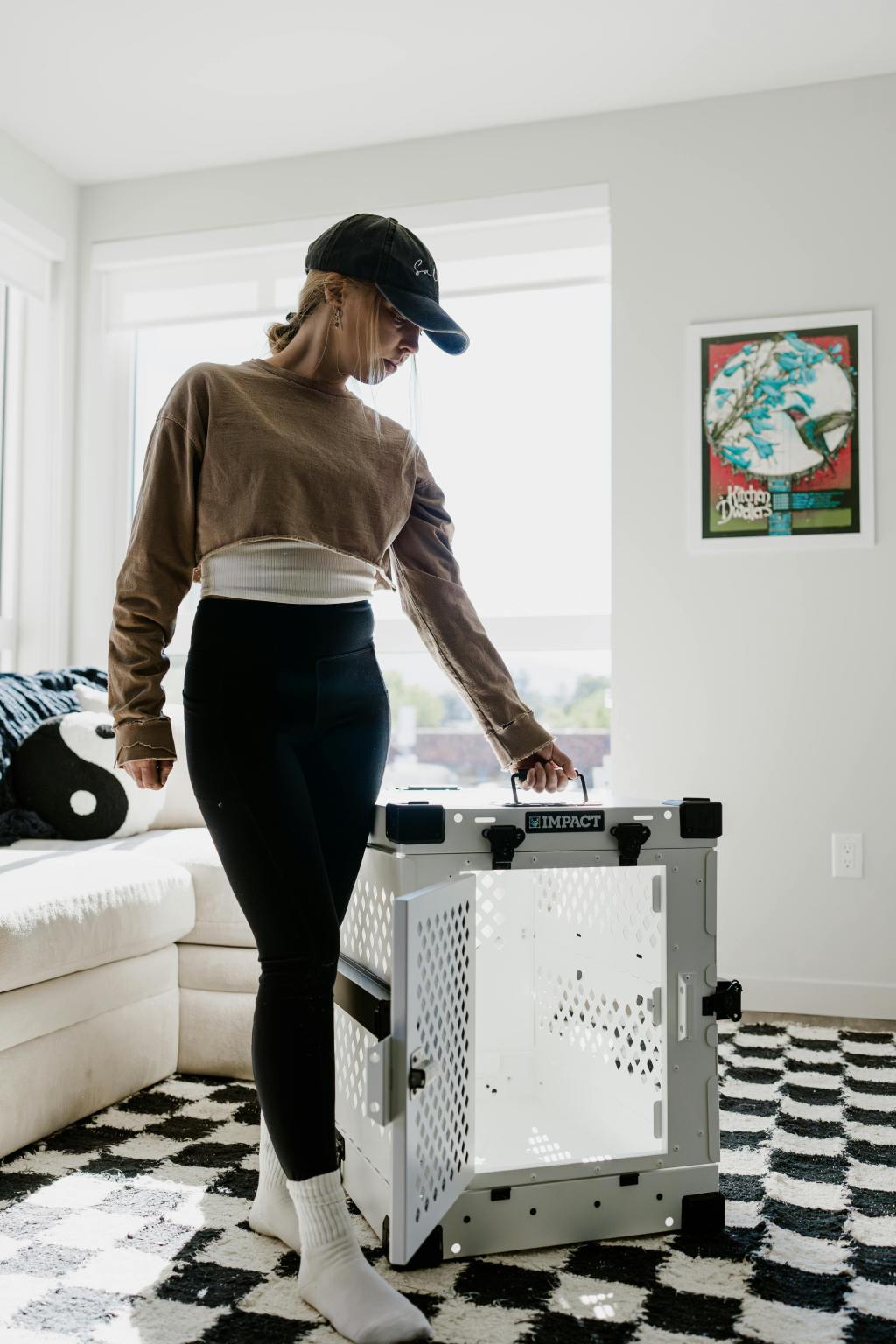
Impact Dog Crates are specifically designed for high-energy, strong, and determined breeds, offering durability and security while minimizing noise and stress.
Step-by-Step Crate Training for High-Drive Dogs
Step 1: Make the Crate a Positive Space
High-drive dogs can be skeptical or resistant to confinement, so it’s essential to create positive associations from the start.
Tips:
- Leave the Door Open: Let your dog explore the crate on their own without feeling pressured.
- Use High-Value Treats: Place treats inside to entice curiosity and reward entry.
- Include Favorite Toys: Durable chew toys or puzzle feeders can make the crate feel inviting.
- Practice Calm Entry: Use a consistent cue like “Crate” or “Place” and reward your dog every time they enter voluntarily.
Step 2: Incorporate Crate Time After Exercise
High-drive breeds have an incredible energy reserve that needs to be managed effectively.
Best Practice:
- Exercise First: Take your dog for a long walk, a run, or a rigorous play session before crating.
- Mental Stimulation: Engage them with puzzle toys, scent work, or obedience drills before crate time.
- Create a Calm Transition: Allow your dog to wind down before being crated to prevent restlessness.
Why It Works:
By burning off energy first, your dog is more likely to settle and rest in the crate rather than feeling restless and confined.
Step 3: Implement Short, Gradual Crate Sessions
High-drive breeds are not naturally inclined to sit still for long periods, so it’s important to start with short, manageable sessions.
Training Routine:
- Start with Brief Periods: Begin with just 5-10 minutes at a time, gradually increasing as your dog becomes comfortable.
- Stay Close Initially: Sit nearby to reassure your dog that crating isn’t isolation.
- Reward Quiet and Calm Behavior: Only open the door and release your dog when they are calm and composed.
Avoiding Mistakes:
- Never let your dog out while they are barking, whining, or scratching. This reinforces undesirable behavior.
- Wait for calmness before releasing them, even if it takes extra time.
Step 4: Use Crate Time for Decompression
High-drive breeds often struggle with overstimulation, especially after intense training or play. The crate serves as a decompression zone, helping them mentally and physically relax.
Decompression Techniques:
- Calming Music or White Noise: Research from the National Institutes of Health (NIH) shows that classical music reduces stress in dogs, making it ideal for crate time (source: NIH).
- Chew Enrichment: Long-lasting chews like bully sticks or filled KONG toys help dogs focus on self-soothing.
- Crate Cover: A cover can help create a den-like atmosphere that reduces external visual stimulation.
Step 5: Use the Crate as a Training Aid
Incorporating the crate into your dog’s training routine helps reinforce obedience and impulse control.
Training Exercises:
- Crate to Place Command: Teach your dog to move from the crate to a designated spot on command.
- Wait at the Door: Train your dog to wait calmly before exiting the crate, emphasizing patience.
- Impulse Control Drills: Practice opening the crate door slowly, rewarding only when your dog remains still.
Common Mistakes to Avoid
1. Using the Crate as Punishment
Never send your dog to the crate as a consequence of bad behavior. This creates negative associations and increases resistance.
2. Forcing Entry
High-drive breeds can become stubborn when pressured. Always encourage voluntary entry rather than forcing them inside.
3. Ignoring Mental Stimulation
Physical exercise alone isn’t enough. High-drive breeds also need mental challenges to avoid boredom while crated.
Signs of Successful Crate Training
You know crate training is working when your dog:
- Enters the Crate Willingly: Shows no hesitation when given the command.
- Remains Calm Inside: Lies down quietly without excessive whining or scratching.
- Uses the Crate Independently: Chooses the crate as a resting spot without being told.
- Stays Relaxed During Stimulation: Doesn’t become reactive when activities happen outside the crate.
Why Crate Training Matters for Working Breeds
High-drive working breeds are naturally active and intelligent, requiring consistent training and structured downtime. Crate training not only protects your home and dog when unsupervised but also serves as a mental break that prevents overstimulation.
By establishing positive crate habits early on, you help your dog develop impulse control and relaxation skills that are vital for managing their high energy and focus.Investing in a robust, high-quality crate like Impact Dog Crates ensures your working breed has a safe, durable space built to withstand their intensity. With the right crate and a consistent training routine, even the most energetic and driven dogs can learn to balance work with rest, leading to a more harmonious and manageable lifestyle.
 Top Dog Training Tips
Leave a comment