
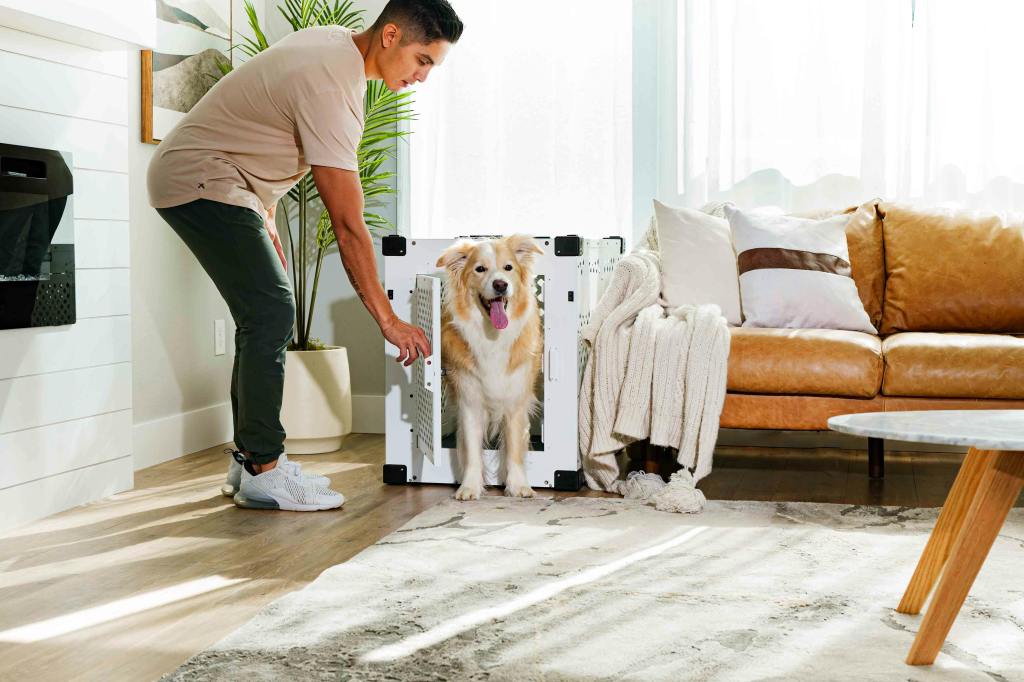
Training a dog to be attentive and focused can be a challenging task, especially when dealing with high-energy breeds or young puppies. One powerful yet often overlooked method to improve your dog’s concentration is crate training. Far from just being a containment tool, crate training lays the foundation for building mental discipline and controlled behavior.
When properly integrated into your training routine, crate training helps foster better focus and impulse control, making advanced obedience and complex commands more achievable. In this article, we’ll explore how crate training contributes to improved focus, why it works so effectively, and how to implement it into your dog’s training program.
Why Focus Matters in Dog Training
Focus is fundamental to successful training because it allows your dog to pay attention to your commands, block out distractions, and maintain composure even in stimulating environments. A dog with good focus is:
- More Responsive to Commands: Listens and obeys even when distractions are present.
- Calm and Attentive: Less prone to overexcitement or anxiety.
- Reliable and Predictable: Consistently follows cues regardless of the setting.
According to the American Kennel Club (AKC), fostering focus in training builds stronger dog-owner communication and enhances a dog’s ability to perform well in varied situations (source: AKC).
How Crate Training Improves Focus
Crate training significantly contributes to better focus by teaching your dog to self-soothe, wait patiently, and manage impulses. Here’s how it works:
1. Builds Mental Discipline
Dogs naturally have short attention spans, especially when young or untrained. Crate training instills patience by requiring your dog to wait calmly before being released. This concept directly translates to improved focus during other training exercises.
Why It Works:
- Promotes Calmness: The crate serves as a relaxation space, teaching your dog to settle down when required.
- Encourages Waiting for Cues: Dogs learn that calm behavior leads to rewards, reinforcing focus.
2. Teaches Impulse Control
Impulse control is essential for maintaining focus. Dogs prone to impulsive behaviors—like jumping, barking, or lunging—often struggle to pay attention during training. Crate training helps dogs practice self-restraint, making them more receptive to guidance.
Training Strategy:
- Open Door Practice: Teach your dog to wait calmly when the crate door opens, rewarding only when they remain composed.
- Exit on Cue: Establish a specific release word, like “Free” or “Okay,” reinforcing that waiting patiently is required before exiting.
3. Provides a Mental Reset
Even the most focused dogs can become mentally fatigued during extended training sessions. Crate time serves as a mental reset, allowing your dog to recharge and maintain focus during subsequent exercises.
How to Use the Crate as a Reset:
- Short Breaks During Training: Crate your dog for a few minutes between training sessions to calm their mind.
- Reward Calm Entry: Reinforce the idea that entering the crate calmly leads to good things.
- Quiet Space: A covered crate can help reduce visual stimuli, promoting relaxation.
4. Creates Structured Transitions
Training often involves moving from one command or activity to another. Crate training helps create clear transitions between activities, reducing confusion and promoting a focused mindset.
Transition Routine:
- End One Activity: Guide your dog to the crate after completing a training session.
- Calm Crate Time: Let them settle for a few minutes.
- Start Next Task: Release them with a calm cue, like “Ready!”
- Reinforce Focus: Immediately transition to the next command or task, maintaining a calm, focused energy.
5. Enhances Emotional Regulation
Dogs that are easily overstimulated can struggle to focus. The crate provides a controlled environment that promotes emotional stability, reducing anxiety and excitement that disrupt concentration.
Calming Techniques:
- Use Calming Music: Studies from the National Institutes of Health (NIH) indicate that classical music helps reduce stress in dogs, promoting better focus (source: NIH).
- Add a Comfort Item: A soft blanket or familiar toy helps make the crate feel secure and comforting.
- Practice Before Distractions: Crate your dog briefly before exposing them to stimulating environments to help them regulate excitement.
Training Techniques to Combine Crate Time and Focus Training
1. Crate and Release Drills
Use these drills to teach your dog that calmness and focus are prerequisites for freedom.
Steps:
- Cue the Crate Command: Say “Crate” or “Bed” and reward when your dog enters.
- Wait for Calm Behavior: If your dog becomes restless or barks, wait patiently for them to settle.
- Release on Command: Only open the door when they remain calm and focused.
- Reward Calm Exits: Give a treat only if they exit slowly and remain composed.
2. Training with Distractions
Once your dog understands calm crate behavior, gradually increase distractions to enhance their focus skills.
Steps:
- Add Mild Distractions: Play soft sounds or have family members move around while your dog is crated.
- Increase Difficulty: Introduce more challenging distractions, like ringing the doorbell or playing loud noises.
- Practice Calm Crate Time: Reinforce staying relaxed despite the external activity.
- Reward for Staying Calm: Praise and reward for maintaining composure in the face of distractions.
3. Crate as a Pre-Training Routine
Establishing a crate session before training helps your dog transition from high-energy to focused mode.
Routine:
- Exercise First: Let your dog burn off excess energy with a walk or play.
- Short Crate Break: Allow your dog to relax and mentally reset before beginning formal training.
- Start Training: Begin your session after releasing your dog from the crate with a calm, focused cue.
Common Mistakes to Avoid
1. Skipping the Calm Release
Opening the crate when your dog is whining or pawing reinforces anxious behavior. Always wait for a calm demeanor before allowing exit.
2. Inconsistent Use
Irregular crate training sends mixed signals, making it harder for your dog to understand when and why to focus.
3. Overusing the Crate
While crate training is effective, over-crating can lead to frustration and restlessness. Balance crate time with exercise and mental stimulation.
The Long-Term Benefits of Crate Training for Focus
When used correctly, crate training becomes a cornerstone of focus development. Your dog learns to:
- Self-Soothe: Managing emotions without relying on constant attention.
- Maintain Composure: Staying calm despite environmental changes.
- Wait Patiently: Practicing impulse control regularly.
- Follow Cues Reliably: Responding to crate commands with predictable behavior.
By using crate training as part of your overall training routine, you cultivate a dog that not only stays calm and composed but also demonstrates reliable focus in various situations.Investing in a durable, well-constructed crate like Impact Dog Crates ensures your dog has a secure and comfortable space to practice focus and relaxation. With the right training techniques and consistent use, crate training becomes an invaluable tool for developing a disciplined, focused, and well-mannered dog.
 Top Dog Training Tips
Leave a comment