
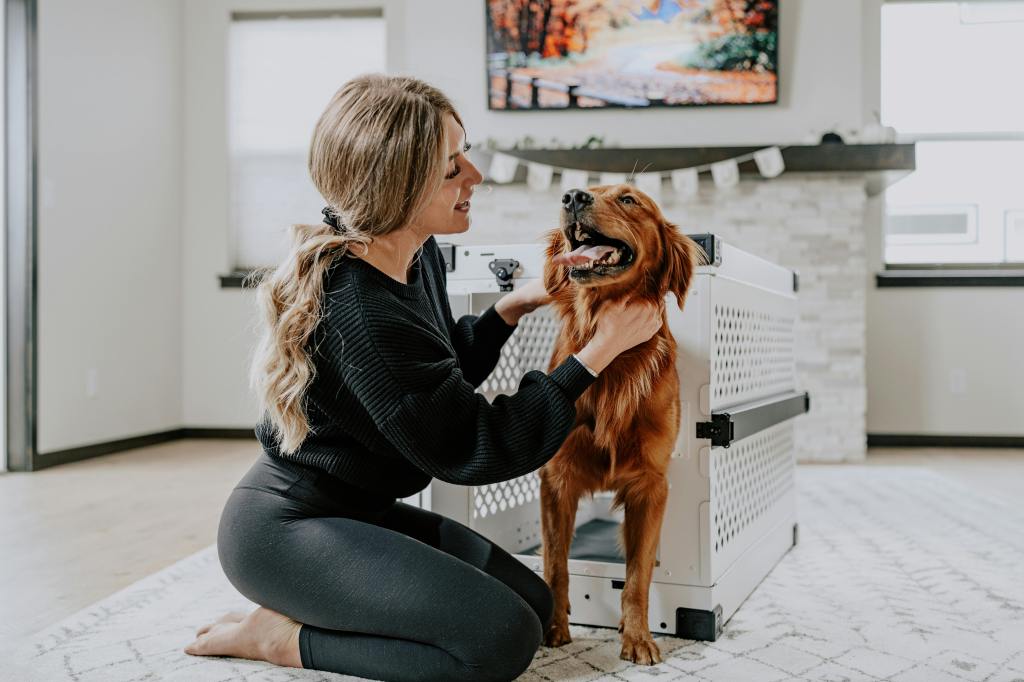
Walking your dog should be an enjoyable experience, but for many dog owners, it can quickly turn into a battle of wills. Whether it’s pulling, lunging, or constant zig-zagging, poor leash manners make walks stressful for both you and your dog. One of the most effective yet often overlooked ways to address this issue is through crate training.
Crate training isn’t just about housebreaking or managing anxiety—it’s a powerful tool for improving leash manners. By teaching your dog to remain calm, focused, and controlled, crate training sets the foundation for better leash behavior. In this article, we’ll explore how crate training directly influences leash manners and how to incorporate it into your daily routine.
Why Leash Manners Matter
Good leash manners are essential for a safe and pleasant walking experience. Dogs that pull, lunge, or constantly veer off course pose risks to themselves, other animals, and their owners. The goal of leash training is to teach your dog to walk calmly beside you without pulling or reacting to distractions.
According to the American Kennel Club (AKC), consistent leash training reduces stress for both the dog and the handler, leading to safer, more enjoyable walks (source: AKC). Crate training plays a crucial role in achieving this calm, controlled behavior.
How Crate Training Improves Leash Manners
1. Teaches Impulse Control
Impulse control is at the heart of good leash manners. Dogs that lack impulse control often pull, lunge, or chase after distractions. Crate training inherently teaches dogs to wait calmly before being released, helping them develop the patience needed for successful leash training.
Why It Works:
- Builds Routine and Structure: Dogs learn that calm behavior leads to freedom.
- Reinforces Calm Exits: When your dog learns to wait patiently in the crate, they are more likely to wait calmly at doorways or before starting a walk.
- Promotes Self-Discipline: Crating teaches dogs to self-regulate excitement, preventing hyperactive leash behavior.
2. Reduces Overstimulation
Many dogs become overly excited the moment they realize it’s time for a walk. They might spin, bark, or jump, making it nearly impossible to get the leash on properly. Crate training helps moderate this excitement by teaching dogs to compose themselves before leaving the house.
Training Routine:
- Crate Before Walk: Crate your dog 10-15 minutes before walk time to calm their energy.
- Practice Calm Leash Attachment: Open the crate only when your dog is sitting calmly, and attach the leash with minimal fuss.
- Reward Calm Behavior: Offer a small treat or gentle praise for maintaining composure.
3. Builds Focus and Attention
Dogs with poor leash manners often become distracted by sights, sounds, and smells. Crate training teaches your dog to focus and wait for cues, making them more attentive when walking on a leash.
How to Foster Focus:
- Calm Release Training: Wait until your dog is calm and focused before releasing them from the crate.
- Use a Release Command: This reinforces that waiting patiently is expected before freedom.
- Transition Directly to Walking: Immediately practice leash walking after releasing them to maintain a calm mindset.
4. Establishes Routine and Predictability
Routine is key to successful leash training. Dogs thrive when they know what to expect, and crate training helps establish a predictable pattern of calmness before walks.
Routine Tips:
- Pre-Walk Crate Time: Make it a habit to crate your dog before every walk.
- Leash Up in the Crate: Attach the leash while your dog is still calm inside the crate to reinforce composure.
- Consistent Timing: Always follow the same routine, so your dog learns to associate crate time with preparing for a walk.
Using Crate Drills to Enhance Leash Manners
Integrating crate drills into your leash training routine can significantly improve your dog’s focus and impulse control. Here are a few effective exercises:
1. Crate-to-Leash Transition Drill
- Command Entry: Use a cue like “Crate” to direct your dog inside.
- Wait for Calmness: Only attach the leash when your dog is relaxed and quiet.
- Slow Release: Open the door slowly and close it if your dog rushes out.
- Reward Calm Exits: Praise your dog for stepping out calmly and walking next to you without pulling.
2. Doorway Practice
One of the biggest challenges in leash training is teaching your dog not to bolt through doors. Crate training can help reinforce the concept of waiting at thresholds.
Steps:
- Crate First: Let your dog relax in the crate before approaching the door.
- Open Door Slowly: If your dog becomes excited, pause and wait for calmness.
- Leash Check: Make sure your dog remains by your side as the door opens.
- Exit Together: Only proceed when your dog remains composed.
3. Leash Reset Drill
If your dog starts pulling during a walk, use the crate as a calming reset tool.
Steps:
- Return Home: Lead your dog back to the crate if they become too unruly.
- Crate for Calmness: Allow them to decompress for a few minutes.
- Reattempt the Walk: Try again once your dog has regained composure.
Why Crate Training Makes a Difference
Crate training helps address the core issues that lead to poor leash manners:
- Hyperactivity: Calming routines reduce overexcitement.
- Impulse Control: Waiting patiently before exiting fosters self-discipline.
- Focus and Attention: Structured crate routines build mental clarity.
By creating a calm and focused mindset before every walk, you set your dog up for success from the very start.
Common Mistakes to Avoid
1. Letting Your Dog Charge Out
Allowing your dog to rush out of the crate sets the tone for chaotic leash behavior. Always ensure calm exits.
2. Skipping Crate Time Before Walks
Many owners overlook the importance of pre-walk crate time. This crucial step helps balance your dog’s energy and improves focus.
3. Neglecting Positive Reinforcement
Reward calm behavior with treats, praise, or affection. This reinforces the idea that good things happen when they are composed.
The Long-Term Benefits of Crate Training for Leash Manners
When crate training is consistently used as part of leash training, the results are remarkable. You’ll notice that your dog:
- Walks Calmly and Confidently: Reduced pulling and lunging.
- Focuses on You: Instead of being distracted by every passing sound or movement.
- Exhibits Self-Control: Especially at doorways and in busy environments.
- Follows Commands Reliably: Improved responsiveness to verbal cues.
According to the American Veterinary Medical Association (AVMA), proper leash manners significantly enhance safety and social interactions, making outings more pleasant for both dog and owner (source: AVMA).
Why a Quality Crate Matters
Choosing a durable, secure crate like Impact Dog Crates is essential for effective training. These crates are designed to withstand high-energy dogs and provide a calm, comfortable space that promotes relaxation and impulse control.By using crate training as a foundational tool to improve leash manners, you transform walks from chaotic sprints into enjoyable, controlled experiences. The key is to combine calm crate routines with consistent leash practice, reinforcing good behavior both inside and outside the home.
 Top Dog Training Tips
Leave a comment