
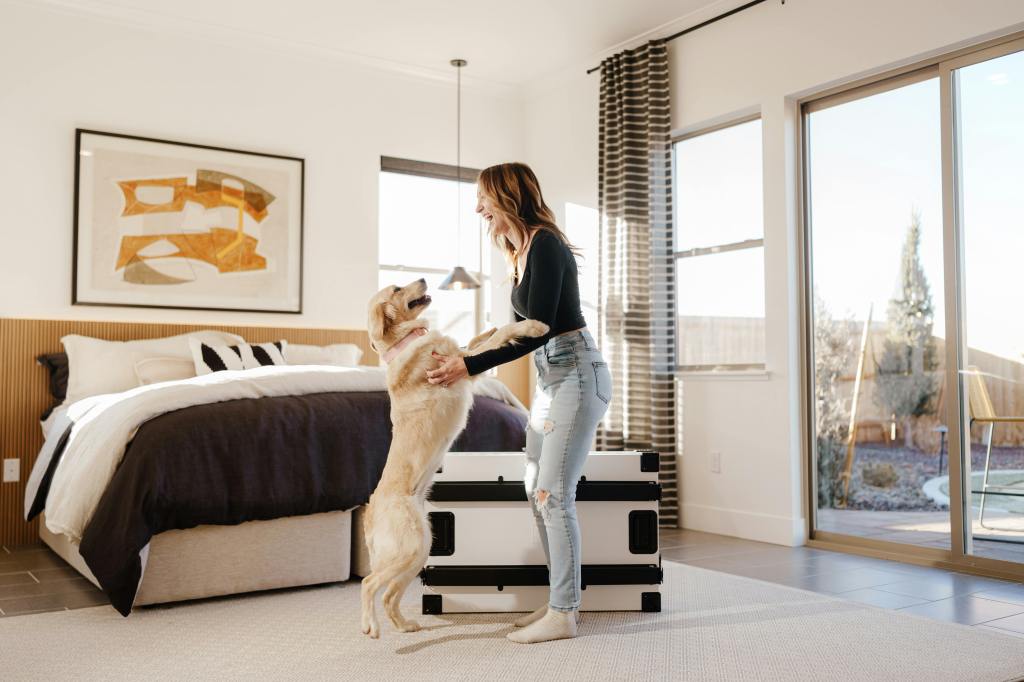
Getting a dog for the first time is an exciting journey filled with love, fun, and a bit of chaos. As a new dog owner, it’s essential to establish good habits and structure right from the start. One of the most effective and practical methods to achieve this is through crate training. While some may feel hesitant about using a crate, the reality is that it can be a lifesaver for both the dog and the owner when done correctly.
Crate training not only helps with housebreaking and safety but also lays the foundation for good behavior and emotional stability. In this article, we’ll explore why crate training is ideal for first-time dog owners and how to implement it effectively to set your pup up for success.
The Benefits of Crate Training for New Dog Owners
Crate training offers numerous advantages that are particularly beneficial for those navigating dog ownership for the first time. Here’s why it should be a priority:
1. Simplifies Housebreaking
Housebreaking is one of the first challenges new owners face. Dogs naturally avoid soiling their sleeping area, making crates an invaluable tool for potty training.
Why It Works:
- Teaches Bladder Control: Dogs learn to hold their bladder while crated, minimizing indoor accidents.
- Establishes Routine: Consistent crating helps develop a regular schedule for potty breaks.
- Prevents Free Roaming: Limits your dog’s access to areas where accidents might occur.
According to the American Kennel Club (AKC), crate training significantly speeds up housebreaking when paired with regular outdoor breaks and positive reinforcement (source: AKC).
2. Keeps Your Dog Safe
New dog owners often underestimate how curious and adventurous puppies can be. A crate serves as a secure place where your dog can rest without the risk of getting into trouble.
Safety Benefits:
- Prevents Chewing Hazards: Keeps dogs away from electrical cords, household cleaners, and other dangerous items.
- Reduces Risk of Injury: Minimizes the chances of your dog jumping on furniture or eating harmful objects.
- Protects Your Home: Prevents damage to floors, furniture, and personal belongings.
3. Reduces Anxiety and Promotes Relaxation
For a new dog, a crate becomes a sanctuary of calm amidst the unfamiliar surroundings of a new home. Dogs naturally seek out den-like spaces to feel secure.
How It Helps:
- Provides a Quiet Retreat: The crate becomes a personal safe zone where your dog can decompress.
- Reduces Overstimulation: Cuts down on sensory overload from bustling household activities.
- Supports Emotional Stability: Dogs that feel safe and secure are less prone to anxiety and destructive behaviors.
4. Builds Independence and Confidence
First-time dog owners may inadvertently foster clinginess or separation anxiety by giving their pup unrestricted freedom. Crate training helps dogs learn to be comfortable on their own, fostering independence.
Why This Matters:
- Prevents Separation Anxiety: Dogs that are accustomed to the crate learn that being alone isn’t scary.
- Promotes Self-Soothing: The crate becomes a place where dogs learn to settle and relax without constant attention.
- Encourages Rest: Dogs instinctively know it’s a space to unwind and recharge.
5. Eases Travel and Vet Visits
Crate-trained dogs are more adaptable when it comes to traveling, whether by car, plane, or visiting the vet. The crate becomes a familiar space that makes new environments less intimidating.
Benefits During Travel:
- Safe Transportation: Prevents roaming inside the car and reduces motion sickness.
- Stress Reduction: Familiar smells and bedding make travel less overwhelming.
- Vet Visits: Crate-trained dogs feel more secure and less anxious when crated at the clinic.
How to Start Crate Training: Step-by-Step
Starting crate training early sets a positive tone and helps your dog adjust faster. Follow these steps for success:
Step 1: Choose the Right Crate
Select a crate that is:
- Sturdy and Durable: Choose materials that withstand chewing and movement.
- Size Appropriate: Your dog should be able to stand, turn around, and lie down comfortably.
- Ventilated: Ensure proper airflow to keep your dog cool and comfortable.
Step 2: Create a Cozy Space
- Add Soft Bedding: Make it inviting and comfortable.
- Include a Favorite Toy: A chew toy or stuffed KONG can keep your dog occupied.
- Introduce Familiar Scents: A blanket with your scent can provide comfort.
Step 3: Introduce the Crate Gradually
- Start with the Door Open: Allow your dog to explore without feeling confined.
- Use Treats and Praise: Reward your dog for approaching and entering the crate voluntarily.
- Short Sessions First: Begin with 5-10 minute intervals to build positive associations.
Step 4: Make Crate Time Enjoyable
- Feed Meals Inside: This makes the crate feel rewarding and positive.
- Use Calming Aids: Pheromone sprays or soft classical music can promote relaxation.
- Practice Regularly: Crate your dog during routine activities so it becomes a normal part of life.
Step 5: Practice Leaving the Room
One common mistake is to always stay in sight when your dog is crated. Gradually build their tolerance for being alone by leaving the room for short periods and rewarding calm behavior upon your return.
Common Crate Training Mistakes to Avoid
1. Using the Crate as Punishment
Never send your dog to the crate as a consequence for bad behavior. This creates negative associations that make the crate feel like a prison rather than a sanctuary.
2. Leaving Your Dog Crated Too Long
Extended confinement can lead to frustration and discomfort. Follow age-appropriate crate durations:
- Puppies: Up to 3-4 hours at a time.
- Adult Dogs: Typically 4-6 hours, depending on temperament and training.
3. Ignoring Whining or Barking
If your dog whines in the crate, avoid immediately letting them out. Wait for a moment of calm before opening the door to prevent reinforcing negative behaviors.
Why Crate Training Matters Long-Term
Successfully crate training your dog offers lifelong benefits, especially for first-time owners:
- Enhanced Safety and Security: Your dog knows where to go to feel safe.
- Improved Behavior: Reduces anxiety-driven destruction and teaches calmness on command.
- Simplified Routine: Crating becomes a reliable part of everyday life, from meals to bedtime.
- Better Travel Adaptability: Crate-trained dogs adjust easily to road trips, flights, and vet visits.
According to the American Veterinary Medical Association (AVMA), crate training helps dogs feel more secure and confident, making it an essential practice for new pet owners (source: AVMA).
Why Choosing the Right Crate Matters
Investing in a quality crate like Impact Dog Crates ensures your dog has a safe, secure, and comfortable space to call their own. These crates are designed to withstand even the most determined dogs, offering durability and peace of mind for first-time owners.By introducing crate training early and using it consistently, you set the stage for a well-adjusted, happy, and obedient dog. Embrace crate training as a fundamental part of your dog’s life, and you’ll build trust, confidence, and good habits that last a lifetime.
 Top Dog Training Tips
Leave a comment