
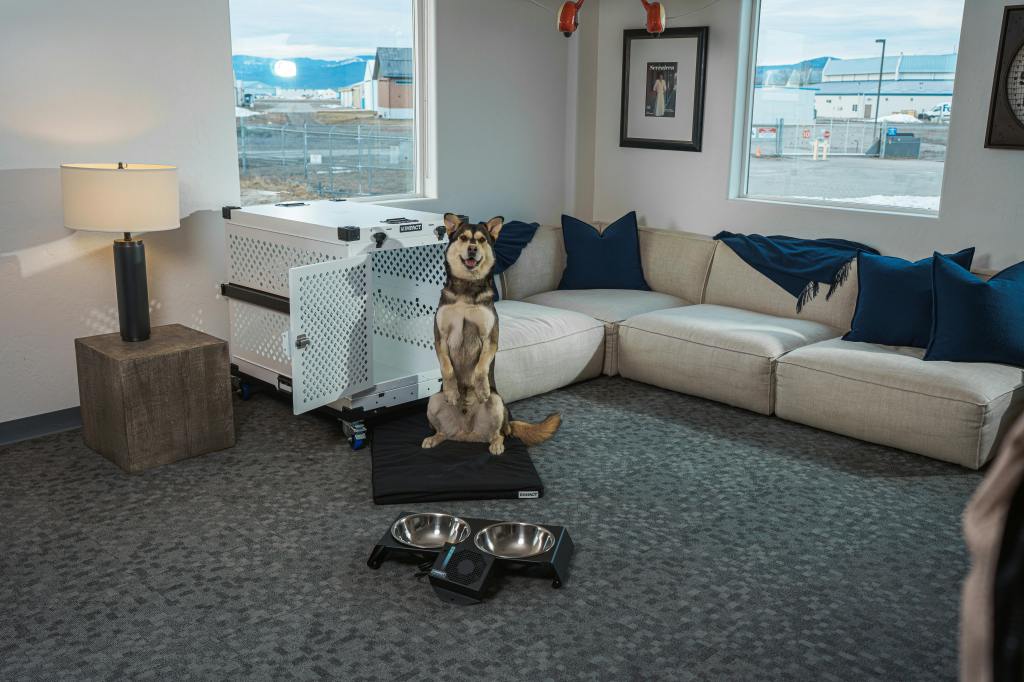
Crate training is one of the most effective methods for teaching dogs good behavior, housebreaking, and emotional stability. However, many dog owners worry that crating might feel like punishment, leading to fear and resistance. The key to successful crate training is to approach it in a way that makes the crate a safe, positive space rather than something to be feared or avoided.
In this guide, we’ll explore how to crate train your dog without creating fear or resistance, offering practical tips and strategies to make crate time a welcoming and enjoyable experience.
Why Fear and Resistance Happen During Crate Training
Fear and resistance often arise when dogs associate the crate with negative experiences. This can happen when:
- The crate is used as punishment.
- The dog is forced inside without positive reinforcement.
- Crate time is too long or uncomfortable.
- Lack of gradual introduction causes stress.
According to the American Veterinary Medical Association (AVMA), crate training should be conducted with positive reinforcement and gradual acclimation to minimize stress and encourage positive associations (source: AVMA).
Step 1: Choose the Right Crate
Selecting the right crate is the first step to avoiding fear or resistance. A poor-quality or uncomfortable crate will naturally make your dog feel anxious or confined.
Types of Crates to Consider:
- Wire Crates: Good ventilation and visibility, ideal for dogs that like to see their surroundings.
- Plastic Crates: More enclosed, offering a den-like feel, great for anxious dogs.
- Heavy-Duty Crates: Durable and escape-proof, suited for strong or determined dogs.
- Soft-Sided Crates: Lightweight and portable, better for calm, crate-trained dogs.
Size Matters:
- Your dog should be able to stand, turn around, and lie down comfortably.
- Avoid crates that are too large, as they might encourage soiling inside.
- Use a crate divider for growing puppies to adjust the space as needed.
Step 2: Create a Positive Crate Environment
The crate should feel like a sanctuary, not a cell. Make it inviting and comforting from the start.
Make It Cozy:
- Add Soft Bedding: Use a comfortable, washable mat or blanket.
- Include Favorite Toys: Chew toys, puzzle feeders, or a stuffed KONG can make the space feel rewarding.
- Calming Scents: Add a blanket with your scent or a calming pheromone diffuser nearby.
Make It Safe:
- Avoid Dangling Tags: Remove collars that might get caught in the crate bars.
- Check for Sharp Edges: Ensure the crate is smooth and secure to prevent injuries.
Step 3: Introduce the Crate Gradually
A sudden introduction can make your dog fearful or resistant. Follow these steps for a smooth transition:
Phase 1: Exploration
- Open the Door and Leave It Open: Allow your dog to sniff and investigate at their own pace.
- Scatter Treats Inside: Create a trail of treats leading into the crate to encourage entry.
- Praise for Curiosity: Reward your dog with a treat and calm praise each time they approach or enter the crate.
Phase 2: Positive Association
- Feed Meals Inside: Serve your dog’s meals inside the crate to create a positive connection.
- Use a Cue: Introduce a word like “Crate” or “Go to Bed” as they enter.
- Gentle Closing: Once your dog is comfortable eating inside, gently close the door for a few seconds and then open it without fuss.
Phase 3: Building Duration
- Gradually Increase Time: Start with short durations (1-5 minutes) and slowly increase as your dog becomes more comfortable.
- Practice Being Nearby: Stay in the same room initially so your dog doesn’t feel abandoned.
- Calm Release: Wait for a moment of calm behavior before opening the door, reinforcing that quietness equals freedom.
Step 4: Use Positive Reinforcement
Consistency and positive associations are key to reducing fear and resistance.
Reward Calm Behavior:
- Always praise and reward calmness before releasing your dog from the crate.
- Avoid letting your dog out if they are whining or barking—wait for a moment of silence to reinforce calmness.
Use High-Value Treats:
- Offer a special treat (like small bits of chicken or cheese) when your dog enters the crate willingly.
- Treats should be given every time they enter during the early stages to build positive associations.
Step 5: Avoid Common Pitfalls
Some mistakes can undermine your training and make the crate feel negative. Here are some to avoid:
1. Never Use the Crate as Punishment
Using the crate as a time-out or punishment teaches your dog to fear the crate. Instead, maintain the crate as a place of peace and security.
2. Don’t Force Your Dog Inside
Pushing or dragging your dog into the crate can make them resistant and fearful. Always guide them in calmly with treats and encouragement.
3. Don’t Over-Crate
While crates are useful, leaving your dog crated for excessive periods leads to frustration and stress. Puppies shouldn’t be crated longer than 3-4 hours, while adult dogs should have regular breaks.
Step 6: Practice Crate Time When You’re Home
To prevent your dog from associating the crate solely with your absence, practice crate time while you’re at home.
Routine Use:
- Crate your dog during quiet activities, like when you’re reading or watching TV.
- Occasionally walk around or leave the room briefly to normalize short separations.
- Make crate time part of routine naps or relaxation periods.
Step 7: Gradual Desensitization to Alone Time
When preparing to leave, avoid making it a big event. Dogs that sense anxiety or excitement around departures may develop separation anxiety.
Calm Departures and Returns:
- Ignore Your Dog for a Few Minutes Before Leaving: This reduces the emotional buildup.
- Don’t Make a Big Deal of Leaving or Returning: Stay calm and casual.
- Leave a Treat or Puzzle Toy: Occupy your dog’s mind as you step out.
Step 8: Recognizing Success and Progress
You know your crate training is working when your dog:
- Enters the Crate Willingly: Without hesitation or resistance.
- Remains Calm Inside: Lays down and relaxes rather than whining or scratching.
- Stays Settled After the Door Closes: Demonstrates comfort even when confined.
- Shows No Signs of Stress: No excessive drooling, barking, or destructive behavior.
Why Crate Training Matters Long-Term
By creating a positive crate experience, you ensure that your dog:
- Feels Safe and Secure: The crate becomes a haven of comfort.
- Manages Separation with Ease: Reduced anxiety when left alone.
- Behaves Calmly and Predictably: The crate helps manage impulse control and teaches patience.
- Travels Comfortably: Adapts well to car rides or trips due to crate familiarity.
According to the American Kennel Club (AKC), crate training is a fundamental practice that builds a dog’s emotional resilience and stability, leading to a more confident and well-adjusted companion (source: AKC).
Choosing the Right Crate
A quality crate like Impact Dog Crates provides durability, security, and comfort, essential for building a positive experience. These crates are designed to minimize noise and offer stability, helping dogs feel safe and at ease.By taking a thoughtful and gentle approach to crate training, you can transform the crate into a beloved personal space rather than a feared enclosure. This results in a confident, well-behaved dog who views the crate as a sanctuary, not a source of stress.
 Top Dog Training Tips
Leave a comment