
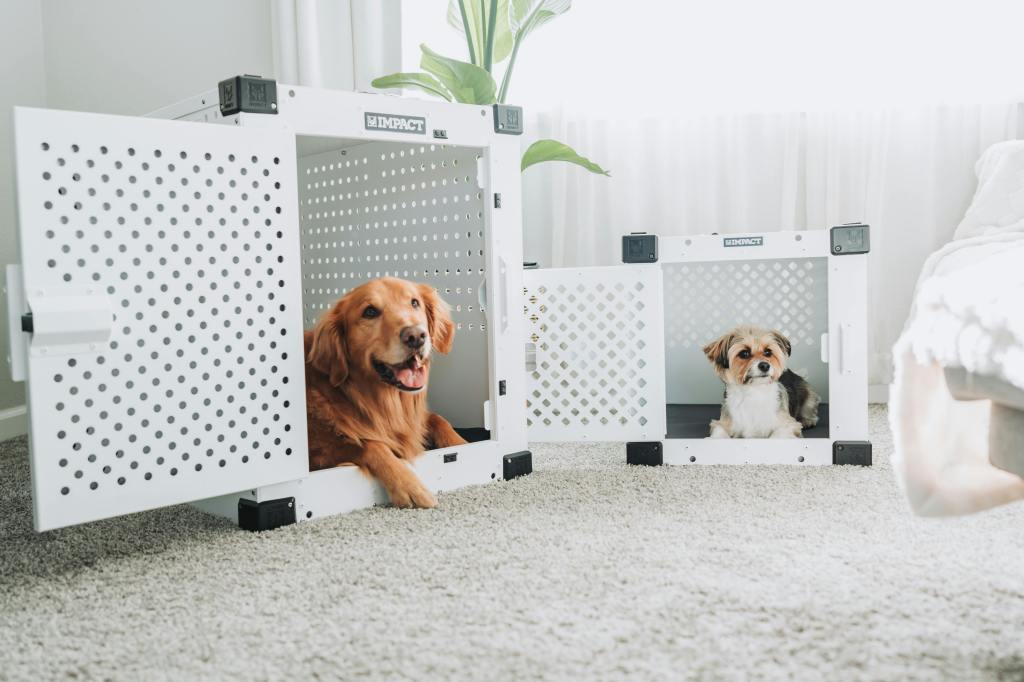
Dealing with a dog that exhibits jumping, barking, and overexcitement can be exhausting, especially when it becomes a consistent issue. Whether it’s greeting guests, reacting to sounds, or simply being overly enthusiastic, these behaviors can disrupt your household and make social situations stressful. Fortunately, crate training is an effective tool for managing and preventing these problems.
By teaching your dog to use the crate as a calm space, you can reduce the intensity of these behaviors and create a structured environment that fosters self-control and relaxation. In this guide, we’ll explore how crating helps prevent jumping, barking, and overexcitement, and how to implement it successfully in your training routine.
Why Crating Works for Managing Behavior
Dogs naturally seek enclosed, secure spaces where they can feel safe and protected. Crates fulfill this instinct by providing a controlled environment that reduces stimulation and encourages calm behavior. When used correctly, a crate can:
- Break the cycle of excitement: It removes the dog from triggering situations.
- Teach impulse control: Your dog learns that calmness equals freedom.
- Provide a mental reset: The crate acts as a decompression zone.
- Reduce barking: By minimizing visual and auditory stimuli, it helps dogs calm down.
According to the American Veterinary Medical Association (AVMA), crate training is beneficial for managing behavioral issues when used positively and consistently (source: AVMA).
Why Do Dogs Jump, Bark, and Get Overexcited?
Before we dive into crating solutions, it’s essential to understand why these behaviors occur:
- Jumping: Dogs jump as a way to greet, gain attention, or release energy.
- Barking: This can be triggered by excitement, anxiety, or perceived threats.
- Overexcitement: High-energy dogs often struggle to regulate their emotions during stimulating events.
Crate training addresses these issues by providing a structured space where your dog can calm down and regain focus.
1. Crating to Prevent Jumping
Jumping is often a result of uncontained enthusiasm—especially during greetings or when family members come home. The crate acts as a physical barrier, preventing jumping while reinforcing calm behavior.
Training Steps:
- Crate Before Guests Arrive: Cue your dog to enter the crate when the doorbell rings or before someone walks in.
- Wait for Calmness: Only open the crate when your dog is sitting quietly and relaxed.
- Reward Calm Exits: Offer a treat or praise only when your dog remains composed as they leave the crate.
Pro Tip:
Practice with friends or family members before hosting a real guest. This will help your dog build the habit of staying calm in the crate during greetings.
Crating After Excitable Play
After intense play sessions, some dogs may become overly stimulated and prone to jumping. Use crate time to help them decompress.
How to Implement:
- End Play Gently: Gradually wind down the activity to reduce excitement.
- Guide Your Dog to the Crate: Use a calm voice and offer a treat as an incentive.
- Encourage Rest: Place a chew toy or calming item inside the crate to promote relaxation.
2. Crating to Prevent Excessive Barking
Barking can be triggered by various factors, including noise, movement, or anxiety. Crating helps by providing a quiet, enclosed space that limits sensory overload.
Training Steps:
- Identify Triggers: Observe what causes your dog to bark excessively (e.g., passing cars, doorbells).
- Create a Calming Environment: Use crate covers or place the crate in a quiet room to minimize stimuli.
- Use Calming Aids: Pheromone diffusers or calming music can further reduce barking.
- Reward Silence: Only open the crate when your dog is calm and quiet.
Managing Barking During Specific Situations
- Guests Arriving: Crate your dog before the door opens and wait for complete quiet before letting them out.
- Outside Noises: Practice crating when common triggers occur, such as garbage trucks or loud neighbors.
- Separation Anxiety Barking: Gradually increase crate duration to build comfort and reduce anxiety.
3. Crating to Prevent Overexcitement
Some dogs become overwhelmed with excitement during routine activities like walks, mealtime, or play sessions. Crate training helps by interrupting the excitement cycle and creating a calm-down period.
Training Steps:
- Anticipate Excitement Peaks: Know when your dog is likely to become hyperactive (e.g., before walks).
- Pre-Event Crate Time: Crate your dog 5-10 minutes before triggering activities to help them settle.
- Post-Event Crate Time: After a walk or play session, allow your dog to relax in the crate to decompress.
- Consistent Routine: Make crate time part of pre- and post-activity rituals.
Creating the Perfect Calm Crate Environment
Setting up the crate correctly is crucial to fostering relaxation and reducing excitement.
1. Comfortable Bedding
- Use a soft, washable mat or bedding that your dog finds comforting.
- Consider orthopedic bedding for older dogs that need extra support.
2. Calming Accessories
- Pheromone Sprays: Mimic natural calming signals to reduce stress.
- Chew Toys and Puzzle Feeders: Occupy your dog’s mind and channel energy productively.
- Soft Lighting or Covers: Create a den-like atmosphere to promote calmness.
3. Strategic Placement
- Position the crate in a low-traffic area to minimize overstimulation.
- Avoid locations that expose your dog to high-traffic windows or noisy rooms.
Building Positive Associations with Crate Time
To ensure your dog enjoys and willingly enters the crate, make the experience rewarding and positive.
Positive Reinforcement Tips:
- Use High-Value Treats: Reward crate entry and calm behavior with something irresistible.
- Cue the Calm Command: Train your dog to associate a word like “Settle” or “Quiet” with entering the crate.
- Practice Daily: Make crate time part of your routine, not just a reactive measure.
Common Mistakes to Avoid
1. Using the Crate as Punishment
Your dog should see the crate as a safe, positive space, not a consequence for bad behavior. Avoid sending your dog to the crate immediately after a misdeed.
2. Inconsistent Crate Use
Crate training works best when it’s part of your daily routine, not just an occasional practice. Regular crate time helps reinforce calmness as a habit.
3. Letting Your Dog Out When Barking or Jumping
Releasing your dog while they’re barking or jumping reinforces the idea that acting out gets results. Always wait for calm behavior before opening the crate.
The Long-Term Benefits of Crate Training for Behavior Management
By using crate training as a preventative and management tool, you can effectively address jumping, barking, and overexcitement before they become ingrained habits. Dogs that are crate-trained properly:
- Learn to self-regulate excitement and stay calm during stimulating events.
- Understand that calmness equals freedom, reducing impulsive behaviors.
- Build confidence and security by having a safe retreat to reset and relax.
According to the American Kennel Club (AKC), crate training when done positively promotes emotional stability and balanced behavior, making it a key strategy for behavior modification (source: AKC).
Choosing the Right Crate
Investing in a reliable, durable crate like Impact Dog Crates ensures your dog’s safety and comfort while helping manage behavioral issues effectively. These crates are built to withstand high-energy dogs and offer secure, calming environments that promote positive behavior changes.With consistent training and the right crate setup, you can transform your dog’s jumping, barking, and overexcitement into calm, well-mannered behavior, creating a more peaceful and enjoyable environment for everyone involved.
 Top Dog Training Tips
Leave a comment