
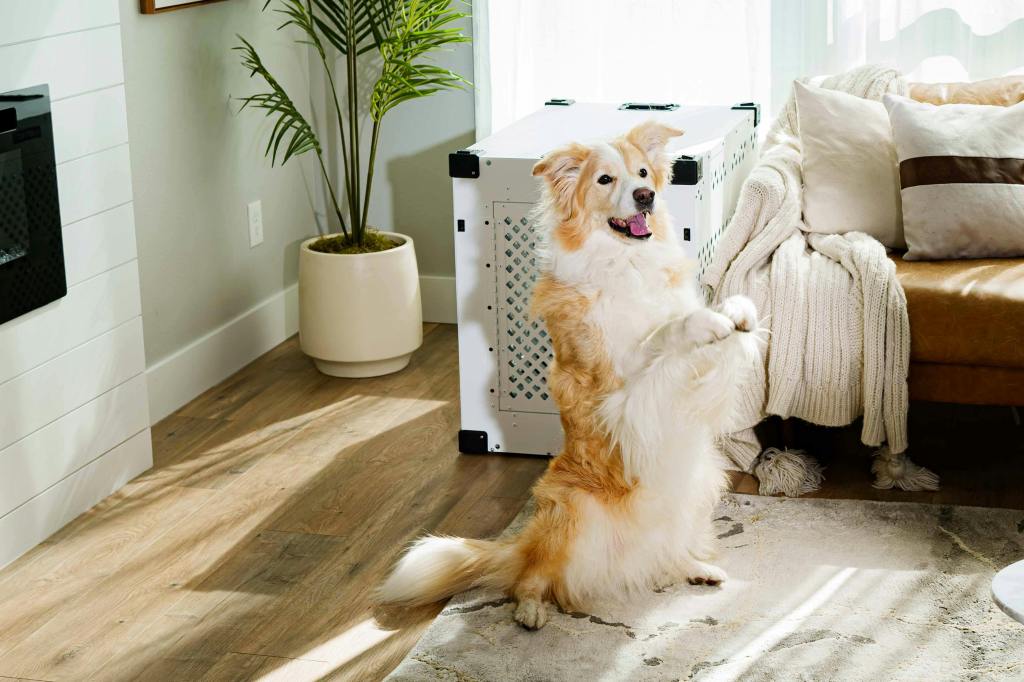
Crate training is more than just a convenient way to housebreak a dog—it’s a foundational tool that helps establish structure and predictability in your dog’s life. Dogs thrive on routine and consistency, and crate training is one of the most effective ways to provide that sense of security and stability.
Whether you’re working with a new puppy or an adult dog, crate training creates a clear structure that helps reduce anxiety, build good habits, and promote well-being. In this guide, we’ll dive into how crate training builds structure and predictability, and how you can leverage this powerful tool to create a balanced, well-adjusted dog.
Why Structure and Predictability Matter for Dogs
Dogs are naturally creatures of habit. They feel more secure when they know what to expect, which significantly reduces anxiety and stress. Establishing a structured routine through crate training has several key benefits:
- Reduces Anxiety: Predictable routines make dogs feel safe and secure.
- Supports Housebreaking: Consistent crate time helps with bladder control and potty training.
- Teaches Calmness: Regular crate sessions promote relaxation and self-soothing.
- Prevents Behavioral Issues: Structured downtime reduces hyperactivity and destructive behavior.
- Enhances Confidence: Dogs that understand their routine are more confident and less reactive.
According to the American Kennel Club (AKC), structured training routines foster emotional stability and reliable behavior in dogs (source: AKC).
How Crate Training Creates Structure
1. Establishes Routine and Consistency
A well-structured routine helps your dog anticipate what comes next, reducing stress and promoting good behavior. By incorporating crate time into your daily routine, your dog learns when to rest, play, eat, and go outside.
Creating a Daily Routine:
- Morning Crate Time: After morning walks or potty breaks, use crate time to cool down and relax.
- Midday Break: Incorporate short crate sessions during lunchtime to maintain calmness.
- Evening Wind-Down: Crate your dog after dinner and light play to signal quiet time.
- Overnight Crating: Establish bedtime by consistently crating your dog each night.
Why It Works:
Dogs thrive on consistency, and a structured schedule helps them feel grounded and secure. Regular crate sessions become predictable signals that communicate when it’s time to rest or wind down.
2. Supports Potty Training with Predictable Breaks
Housebreaking is significantly easier when you incorporate crate training as part of your routine. Dogs naturally avoid soiling their sleeping area, so consistent crate use helps develop bladder control and proper potty habits.
How to Schedule Potty Breaks:
- After Waking Up: Always take your dog outside first thing in the morning.
- After Meals: Crate your dog after eating and then immediately take them outside.
- Before Bed: Let your dog relieve themselves before crating for the night.
Why It Works:
By building a routine around potty breaks, your dog learns to associate outdoor time with bathroom activities, reducing accidents inside the house.
3. Fosters Calm and Relaxed Behavior
Crate training teaches your dog to settle down and relax on command. This is especially important for high-energy dogs or those prone to hyperactivity and anxiety.
How to Use Crate Training for Calmness:
- Pre-Activity Crating: Crate your dog before walks or playtime to reinforce calmness before excitement.
- Post-Activity Crating: Use the crate to help your dog decompress after vigorous activity.
- Structured Rest Periods: Incorporate quiet time in the crate throughout the day to teach relaxation.
Why It Works:
Creating intentional calm moments through crate training prevents overstimulation and helps your dog learn how to self-soothe.
4. Provides a Safe Space During Unpredictable Situations
Life can be unpredictable, from loud visitors to unexpected noises. Crate training gives your dog a safe, familiar space to retreat to during stressful or chaotic events.
Examples of When to Use the Crate:
- During House Cleaning: Keep your dog safe and out of the way.
- When Hosting Guests: Prevent jumping and overexcitement by crating during greetings.
- Thunderstorms or Fireworks: Offer a calm, enclosed space to minimize anxiety.
Why It Works:
Crating during unpredictable moments builds resilience and helps your dog learn to manage stress independently.
Implementing Structured Crate Training
To maximize the effectiveness of crate training as a structure-building tool, follow these key steps:
Step 1: Choose the Right Crate
Select a crate that:
- Fits Your Dog Comfortably: They should be able to stand, turn, and lie down easily.
- Is Sturdy and Secure: Especially important for strong or anxious dogs.
- Has Proper Ventilation: Ensure adequate airflow and comfort.
Step 2: Make the Crate Inviting
- Add Soft Bedding: A comfortable mat or blanket makes the space inviting.
- Include Calming Toys: Choose toys that promote calm chewing or gentle play.
- Create Positive Associations: Use treats and praise when introducing your dog to the crate.
Step 3: Set a Consistent Schedule
- Morning Routine: Wake up, potty break, breakfast, then crate time for calm relaxation.
- Daytime Routine: Incorporate short crate sessions to encourage routine breaks.
- Evening Routine: After dinner and play, use crate time to wind down before bed.
Common Mistakes to Avoid
1. Using the Crate as Punishment
Never send your dog to the crate as a punishment. This can lead to fear and resistance, making the crate feel like a negative space.
2. Irregular Crating Routine
Skipping crate sessions or using them sporadically confuses your dog. Maintain consistent patterns to reinforce structure.
3. Letting Your Dog Out When Barking
If your dog is barking or whining, wait for a calm moment before releasing them. This reinforces that quietness leads to freedom.
Long-Term Benefits of Structured Crate Training
Successfully implementing crate training as a structure-building tool leads to:
- More Predictable Behavior: Your dog knows what to expect and behaves accordingly.
- Improved Self-Control: Regular crate time teaches patience and composure.
- Reduced Anxiety: Predictability lowers stress levels and promotes emotional stability.
- Enhanced Bonding: A well-trained dog is more relaxed and better integrated into family life.
According to the American Veterinary Medical Association (AVMA), structured crate routines help dogs develop emotional balance and calmness, especially when reinforced positively (source: AVMA).
Investing in a Quality Crate Matters
Choosing a durable and secure crate like Impact Dog Crates ensures that your dog feels safe and comfortable during structured crate time. These crates are designed for long-term use, providing a reliable and calming environment that supports training and behavioral stability.By using crate training as a proactive tool to establish structure and predictability, you help your dog build confidence and self-regulation. A structured routine not only improves your dog’s behavior but also fosters a calmer, happier companion who knows what to expect every day.
 Top Dog Training Tips
Leave a comment