
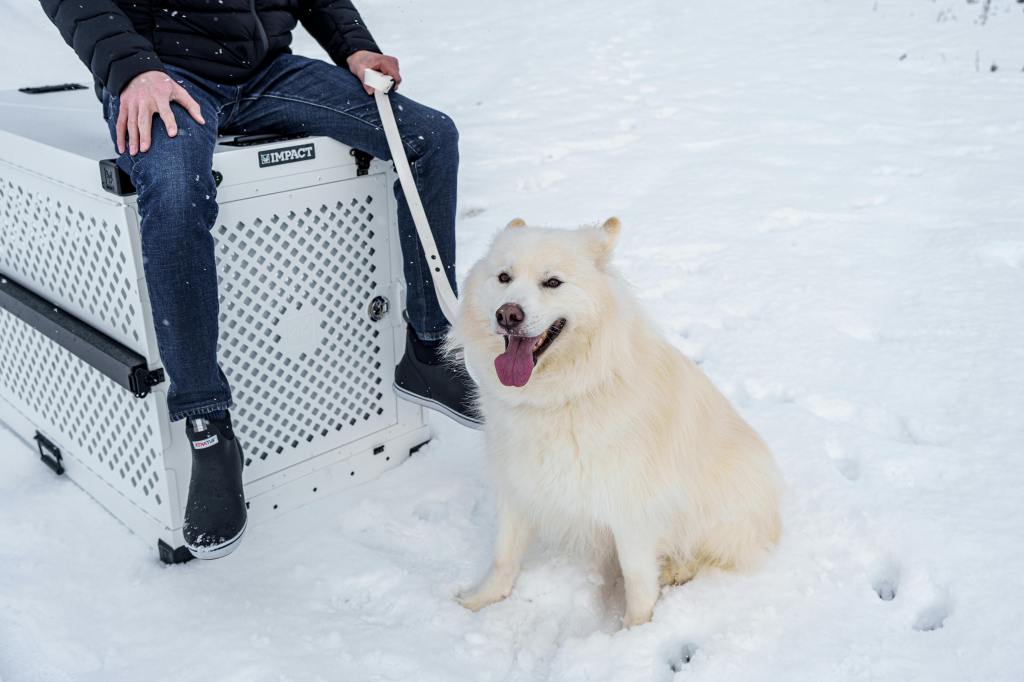
Building confidence in your dog is essential for their emotional well-being and behavioral stability. Dogs that lack confidence often display signs of anxiety, fearfulness, and uncertainty, which can lead to behavioral challenges such as barking, whining, and avoidance. One of the most effective methods to boost your dog’s confidence is through crate training.
Crate training, when done correctly, provides a safe and secure environment that allows your dog to develop self-assurance and emotional stability. In this guide, we’ll explore how to use crate training to build your dog’s confidence, ensuring they become more comfortable, independent, and well-adjusted.
Why Crate Training Builds Confidence
Crates serve as a den-like space, giving your dog a private, safe retreat where they can relax and feel secure. This structured environment helps dogs:
- Develop Independence: Learning to be comfortable alone in a crate fosters self-reliance.
- Practice Self-Soothing: Calming down independently builds emotional resilience.
- Reduce Anxiety: Familiarity with the crate as a safe space reduces stress during chaotic situations.
- Build Positive Associations: The crate becomes a place associated with comfort, rest, and calmness.
According to the American Veterinary Medical Association (AVMA), crate training not only aids in housebreaking but also supports emotional well-being and confidence building when done correctly (source: AVMA).
The Key Principles of Confidence-Building Crate Training
Building confidence through crate training requires a thoughtful, positive approach. Follow these essential principles to make crate time reassuring and empowering for your dog.
1. Introduce the Crate Positively
Never force your dog into the crate, as this can create fear and resistance. Instead, make the crate an inviting and rewarding space from the start.
Steps to Positive Introduction:
- Leave the Door Open: Allow your dog to explore the crate freely without feeling trapped.
- Encourage Curiosity: Toss treats or a favorite toy inside to motivate voluntary entry.
- Use Positive Cues: Say phrases like “Go to Bed” or “Home” in a calm, encouraging tone.
- Reward Calm Behavior: Treat your dog when they calmly enter and sit inside the crate.
Why It Works:
Positive reinforcement creates a mental link between the crate and pleasant experiences, making your dog more willing to enter and stay calmly.
2. Create a Safe and Comfortable Space
Your dog’s crate should feel like a sanctuary, not a place of confinement. Ensuring it’s cozy and inviting helps build trust and confidence.
Setting Up the Crate:
- Soft Bedding: Use a plush mat or blanket that your dog finds comfortable.
- Familiar Scents: Add a blanket or shirt with your scent to promote calmness.
- Calming Aids: Use a pheromone diffuser or calming spray inside the crate.
- Comforting Toys: Provide a chew toy or a stuffed KONG to keep your dog occupied and relaxed.
Why It Works:
A well-prepared crate feels like a secure den, giving your dog a sense of ownership and safety.
3. Build Independence Through Gradual Crate Time
One of the most powerful ways to build confidence is by teaching your dog to be comfortable alone. The crate helps them learn independence without feeling abandoned.
Training Steps:
- Short Sessions First: Start with 5-10 minute intervals and gradually increase the duration.
- Stay Nearby Initially: Sit close to the crate during the first few sessions to provide reassurance.
- Gradual Distance: As your dog becomes comfortable, move farther away or leave the room briefly.
- Praise and Reward Calmness: Give treats when your dog stays calm and quiet.
Why It Works:
Gradually increasing crate time helps your dog build self-confidence while remaining calm and collected.
4. Use the Crate for Stressful Situations
Dogs often feel overwhelmed during loud events or social gatherings. Crating during these times can help your dog decompress and feel secure.
Situations to Crate Your Dog:
- During Loud Noises: Use the crate during fireworks or thunderstorms to minimize anxiety.
- When Guests Arrive: Prevent overexcitement and jumping by crating your dog during greetings.
- Post-Exercise Calming: After vigorous play, the crate provides a space to cool down and relax.
Why It Works:
Providing a consistent and calm environment during stressful moments helps your dog learn to cope and feel safe, building emotional resilience.
5. Practice Crate Drills to Reinforce Confidence
Using short, positive crate drills reinforces calmness and confidence. These exercises help your dog learn to enter the crate willingly and remain relaxed.
Training Drill: Calm Entry and Exit
- Cue Entry: Say “Crate” or “Go to Bed” with a calm tone.
- Reward Inside: Immediately reward your dog for entering and sitting.
- Close the Door Gently: Praise your dog through the door if they remain calm.
- Release Calmly: Only open the door when your dog is quiet and composed.
Why It Works:
These exercises reduce crate anxiety by making entry and exit routine and predictable. Your dog learns to associate the crate with calm behavior, building confidence over time.
6. Avoiding Common Mistakes
Mistake 1: Using the Crate as Punishment
Never use the crate as a place of discipline. Your dog should see it as a safe retreat, not a consequence for bad behavior.
Solution:
Always guide your dog gently into the crate with positive reinforcement, even when they need a break.
Mistake 2: Over-Crating
Leaving your dog in the crate for long periods can lead to frustration and stress. Crating should be balanced with play, training, and social interaction.
Solution:
Follow a structured schedule that includes regular breaks and exercise to maintain your dog’s well-being.
Mistake 3: Inconsistent Crate Usage
Dogs need routine to build confidence. Using the crate only when leaving the house can create separation anxiety.
Solution:
Incorporate crate time into daily routines to build a consistent, positive association.
How to Know Crate Training is Building Confidence
Look for these signs to determine if your dog’s confidence is improving:
- Willingly Enters the Crate: No hesitation or resistance.
- Remains Calm and Quiet: Shows no signs of anxiety or stress.
- Uses the Crate Voluntarily: Your dog goes to the crate even without prompting.
- Relaxed Body Language: No pacing, whining, or restless behavior.
Long-Term Benefits of Confidence-Building Crate Training
With consistent and positive crate training, your dog will:
- Feel Secure and Independent: No longer fears being alone or confined.
- Develop Emotional Stability: Handles new environments and experiences with calmness.
- Show Reduced Anxiety: Learns to cope with stressful situations in a calm, collected manner.
- Behave Appropriately in Public and at Home: Maintains composure even in stimulating settings.
According to the American Kennel Club (AKC), crate training that fosters positive associations helps reduce stress and promotes balanced behavior, making it an essential part of building a dog’s confidence (source: AKC).
Investing in a Quality Crate Matters
Choosing a sturdy, reliable crate like Impact Dog Crates ensures your dog has a safe, secure environment that withstands daily use. These crates are designed with durability and comfort in mind, giving your dog a reliable retreat during training and beyond.By incorporating crate training as a confidence-building strategy, you help your dog develop emotional strength, self-reliance, and calmness. A confident dog is not only happier and healthier but also better equipped to navigate the world with poise and assurance.
 Top Dog Training Tips
Leave a comment