
One of the most common challenges dog owners face is teaching their dogs to be calm and content when left alone. Whether it’s during work hours or short errands, leaving your dog alone can trigger anxiety, destructive behavior, or excessive barking. One of the most effective ways to address these issues is through crate training.
Crate training not only helps with housebreaking and safety but also plays a crucial role in teaching dogs how to remain calm and relaxed during alone time. In this guide, we’ll explore how to use crate training to foster calm independence, minimize anxiety, and establish positive alone-time habits.
Why Crate Training Supports Calm Alone Time
Dogs are naturally social animals, so being alone can feel unfamiliar and stressful, especially for puppies or newly adopted dogs. Crate training helps in multiple ways:
- Creates a Safe Haven: The crate becomes a comfortable, secure retreat where your dog feels safe.
- Reduces Separation Anxiety: Building positive crate associations helps reduce the stress of being alone.
- Encourages Self-Soothing: Your dog learns to relax independently without constant attention.
- Prevents Destructive Behaviors: Keeping your dog crated while alone reduces the risk of chewing, digging, or barking.
According to the American Veterinary Medical Association (AVMA), crate training is highly effective for managing separation anxiety and fostering positive alone-time behaviors (source: AVMA).
Step 1: Creating a Positive Crate Environment
To encourage calm alone time, it’s essential to make the crate inviting and comfortable. Your dog should view the crate as a safe, cozy space rather than a place of isolation.
Setting Up the Crate:
- Comfortable Bedding: Use soft, washable bedding that your dog finds relaxing.
- Favorite Toys and Chews: Include a durable chew toy or stuffed KONG to provide mental stimulation.
- Calming Aids: Use pheromone sprays or calming music to promote relaxation.
- Personal Touch: A worn shirt or blanket with your scent can help soothe your dog.
Step 2: Gradual Introduction to Alone Time
Your dog needs time to adjust to being alone. Start with short periods and gradually increase the duration as your dog becomes more comfortable.
Training Steps:
1. Start with Presence:
- Begin crate training while you are still at home.
- Let your dog see you around the house while they are crated.
- Practice brief crate sessions with the door open before moving on to closed-door practice.
2. Short, Positive Crate Sessions:
- Close the crate door for just a few minutes initially.
- Stay nearby and offer verbal reassurance without making it overly dramatic.
- Gradually increase the time while remaining visible at first.
3. Practice Leaving Briefly:
- Once your dog is calm during short sessions, practice leaving the room briefly.
- Start with 1-2 minutes and build up to 5-10 minutes.
- Avoid making a big deal of departures and arrivals—stay calm and neutral.
Step 3: Building Up Alone Time
Once your dog is comfortable with short absences, it’s time to extend the duration. This process should be gradual to prevent anxiety from building up.
How to Progress:
- Increase Time Slowly: Add 5-minute increments as your dog succeeds at shorter periods.
- Vary Your Routine: Don’t make a predictable pattern of leaving, as dogs can pick up on cues and become anxious.
- Practice Leaving the House: Step outside briefly and return without creating excitement.
- Mix Up Your Routine: Occasionally pick up your keys or put on your shoes without leaving to reduce anticipatory anxiety.
Step 4: Reinforcing Calm Behavior
Dogs learn best through positive reinforcement. Rewarding calm, relaxed behavior inside the crate teaches your dog that quietness equals reward.
Reward Strategies:
- Calm Praise: Use a soft, soothing voice to reward calmness.
- Tasty Treats: Offer a special chew or puzzle toy that keeps your dog occupied.
- Silent Release: Only let your dog out when they are completely calm and quiet.
Why It Works:
Reinforcing calm, quiet behavior helps your dog associate alone time with positive experiences and relaxation.
Step 5: Handling Separation Anxiety
If your dog shows signs of anxiety or distress when left alone, it’s crucial to address these behaviors with care and consistency.
Signs of Separation Anxiety:
- Excessive Barking or Howling: Indicates panic or discomfort.
- Destructive Chewing: Often directed at exits or barriers.
- Pacing or Whining: Signs of nervous energy and distress.
Addressing Anxiety:
- Shorten Absence Time: If your dog becomes anxious, reduce the time spent alone and rebuild duration gradually.
- Ignore Attention-Seeking Behavior: Don’t reinforce anxiety by immediately comforting your dog upon return.
- Desensitize Departure Cues: Practice routines like picking up keys without leaving to reduce anticipation stress.
Step 6: Creating a Calm Routine
To support your dog’s confidence and calmness during alone time, integrate crate training into a consistent daily routine.
Ideal Routine:
- Morning Walk and Potty Break: Burn off energy before crate time.
- Crate with a Toy or Chew: Engage your dog mentally while you prepare to leave.
- Calm Departure: Exit without fanfare.
- Gradual Return: Upon returning, wait for calmness before letting your dog out.
Common Mistakes to Avoid
1. Making a Big Deal of Departures and Returns
If you shower your dog with affection before leaving or upon return, it heightens their emotional state, making them more anxious.
Solution:
Practice calm departures and neutral greetings to minimize excitement and stress.
2. Using the Crate as Punishment
Your dog should see the crate as a safe retreat, not a place of reprimand. Never send your dog to the crate in anger or frustration.
Solution:
Always guide your dog into the crate with a calm, positive demeanor and a treat.
3. Being Inconsistent with Crate Time
Irregular use of the crate can confuse your dog and weaken the routine. Make crate time a normal part of daily life rather than a sudden or isolated event.
Signs Your Dog Is Comfortable Being Alone
You know your dog has mastered calm alone time when they:
- Enter the Crate Willingly: Show no hesitation or resistance.
- Remain Calm and Quiet: No barking, whining, or scratching while crated.
- Show Relaxed Body Language: Lying down, chewing on a toy, or simply resting.
- Do Not React Strongly to Your Departures: Stay composed even when you leave.
The Long-Term Benefits of Calm Alone Time
Mastering calm alone time through crate training offers multiple long-term benefits:
- Reduced Separation Anxiety: Your dog learns to be content on their own.
- Enhanced Independence: Builds emotional resilience and confidence.
- Reduced Destructive Behaviors: Limits chewing, digging, and noise disturbances.
- Balanced Energy Levels: Calm alone time contributes to mental well-being.
According to the American Kennel Club (AKC), crate training is an effective way to manage separation anxiety and build confidence, making it an invaluable tool for both puppies and adult dogs (source: AKC).
Choosing the Right Crate
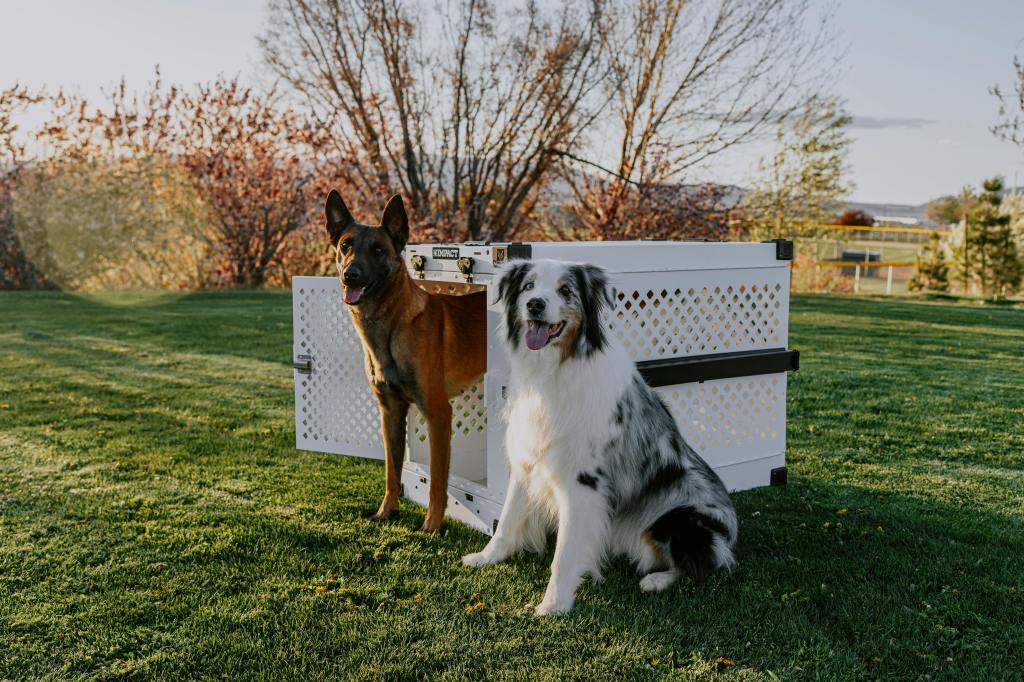
Investing in a durable, comfortable crate like Impact Dog Crates ensures your dog has a safe, secure space to relax during alone time. These crates are designed to withstand chewing and digging while maintaining a calm, comfortable environment for your dog.By establishing a calm crate routine and teaching your dog to self-soothe and relax independently, you build the foundation for long-term emotional stability and calm behavior. This not only benefits your dog but also creates a more peaceful home environment for you and your family.
 Top Dog Training Tips
Leave a comment