
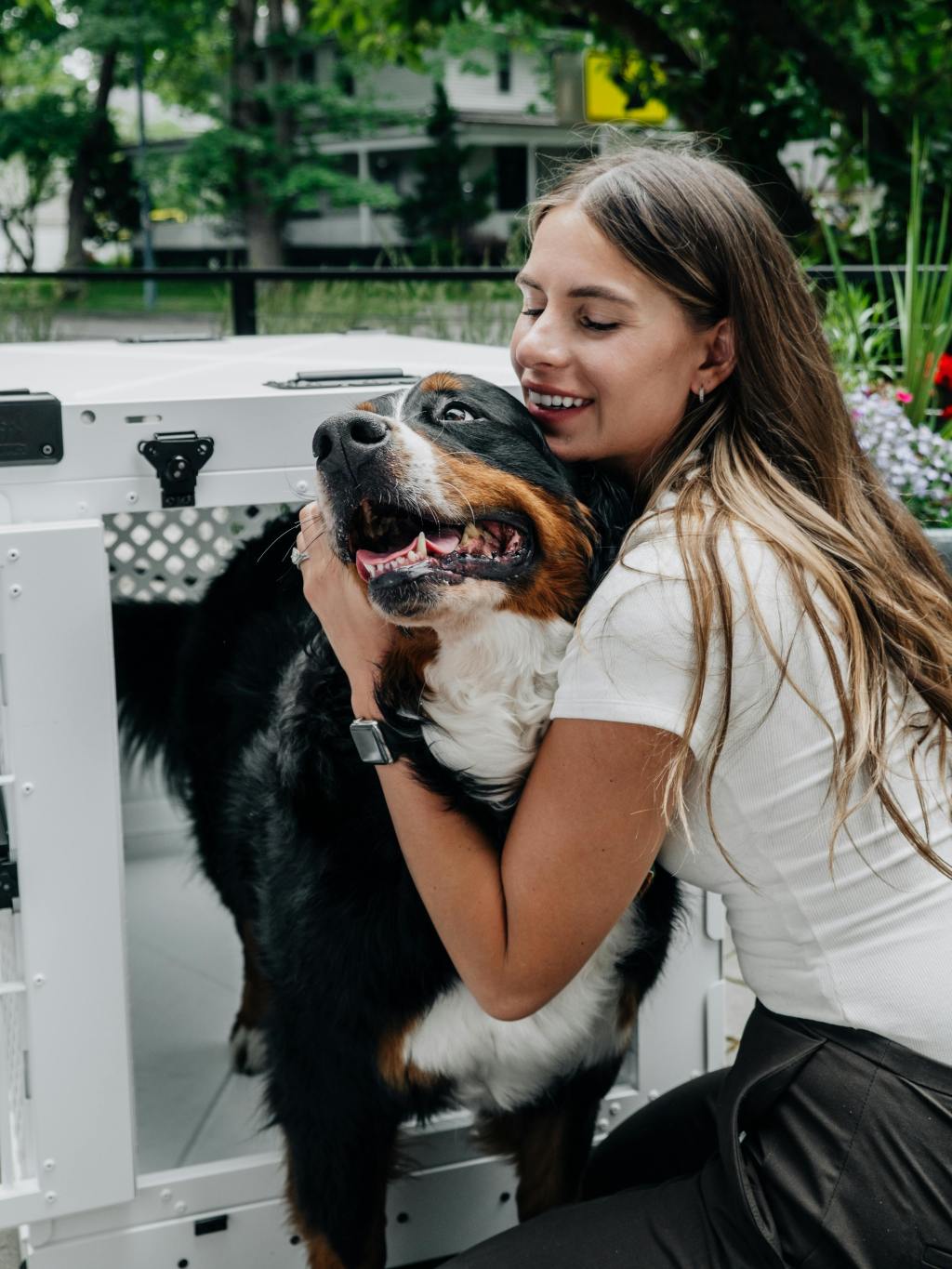
Training your dog to reliably come when called—known as recall training—is one of the most important skills for their safety and your peace of mind. Whether you’re at the park, hiking on a trail, or simply enjoying some off-leash time, having a dog that responds promptly to your call is essential. One often overlooked but highly effective way to build a foundation for reliable recall is through crate training.
Crate training helps establish structure, impulse control, and positive associations, all of which are crucial for developing consistent recall skills. In this guide, we’ll explore how crate training can lay the groundwork for dependable recall behavior, and how to combine the two to achieve long-lasting results.
Why Crate Training Supports Reliable Recall
Crate training helps build a foundation for reliable recall by teaching your dog to:
- Practice Patience and Impulse Control: Staying calm before being released from the crate builds discipline and self-regulation.
- Associate Coming to You with Positive Outcomes: Using the crate to reinforce positive associations with being called creates a mindset of willing cooperation.
- Develop Routine and Structure: Predictable crate routines teach your dog to respond to cues consistently.
- Reduce Anxiety and Build Confidence: A confident dog is more likely to respond positively to recall commands.
According to the American Kennel Club (AKC), consistent crate training helps dogs develop emotional stability and behavioral control, both of which are crucial for reliable recall (source: AKC).
Step 1: Building Positive Associations with the Crate
To use crate training as a foundation for recall, you must first ensure that the crate is seen as a safe and positive space.
Creating a Positive Crate Environment
- Choose the Right Crate: Make sure it’s the right size—big enough for your dog to stand, turn, and lie down comfortably.
- Add Comfortable Bedding: Make it inviting with soft blankets or a pad.
- Include Toys and Treats: Use interactive toys or stuffed KONGs to make crate time enjoyable.
- Calm Atmosphere: Place the crate in a quiet, low-traffic area to minimize stress.
Why This Matters
When the crate is associated with comfort and calmness, your dog becomes more willing to enter and exit on command, setting the stage for reliable recall training.
Step 2: Practicing Controlled Entry and Exit
Training your dog to enter and exit the crate calmly reinforces impulse control and teaches them to wait for permission. This practice is fundamental for developing reliable recall skills.
Controlled Entry Routine
- Cue the Command: Use a consistent phrase like “Crate Up” or “Go to Bed.”
- Guide with a Treat: Use a high-value treat to encourage your dog to enter willingly.
- Praise and Reward: As soon as your dog is settled inside, praise softly and give the treat.
Controlled Exit Routine
- Release with a Command: Use a release word like “Okay” or “Come.”
- Wait for Calmness: Only open the crate when your dog is sitting quietly.
- Reward Upon Exit: Immediately praise and offer a small treat for exiting calmly.
Why It Works
By teaching your dog to wait for permission to exit, you reinforce the idea that waiting patiently is rewarding. This mindset translates directly into recall scenarios, where your dog must suppress impulses to run off.
Step 3: Integrating Recall Commands with Crate Training
Once your dog is comfortable entering and exiting the crate calmly, you can start linking recall commands with crate routines.
Step 3.1: Recall from Inside the Crate
- Cue to Exit: Stand a short distance from the crate and call your dog using their recall word, like “Come” or “Here.”
- Open the Door: Only open the crate when your dog is calm and responsive.
- Reward Immediately: Praise your dog as soon as they reach you.
Step 3.2: Recall to the Crate
- Call Your Dog from a Distance: Stand a few feet away and say, “Go to Your Crate.”
- Use a Hand Signal: Point towards the crate while giving the command.
- Reward Inside: Once your dog enters the crate, give a high-value treat and lots of praise.
Building Distance and Duration
Gradually increase the distance and distraction level during training. Practice recall to the crate from different rooms or even from the yard. The goal is for your dog to immediately move towards the crate upon hearing the command.
Step 4: Reinforcing Recall Outside of Crate Training
To ensure that crate-based recall training translates to real-world situations, practice recall in various environments.
Outdoor Recall Practice
- Start on a Long Leash: This gives your dog freedom while maintaining control.
- Use the Same Recall Word: Consistency reinforces the command.
- Reward Upon Return: Always praise and treat your dog for coming back to you.
Incorporate Crate Training Concepts
Even outside the home, apply the same principles of calmness and controlled response that you practice during crate training.
Step 5: Building Impulse Control for Recall
Impulse control is essential for reliable recall. Dogs that bolt impulsively are harder to call back. Crate training naturally builds impulse control, but here are some additional tips:
Training Techniques:
- Wait at the Door: Practice having your dog wait at the crate door before being released.
- Delayed Reward: Ask for a sit or down before opening the crate, reinforcing the need to wait patiently.
- Gradual Release: Open the crate door slowly, rewarding calm behavior as the door opens wider.
Step 6: Reinforcing Recall During Distractions
The ultimate test of reliable recall is maintaining focus amid distractions. Start by integrating distractions gradually while maintaining the crate routine.
Distraction Training:
- Invite a Friend Over: Practice recall while someone is moving around or talking.
- Play Noise Sounds: Use recordings of doorbells, traffic, or other animals to test your dog’s response.
- Reward for Focusing: Only reward when your dog maintains focus on your recall cue despite distractions.
Common Mistakes to Avoid
1. Releasing During Excitement
Letting your dog out of the crate when they are barking, whining, or jumping teaches that chaos leads to freedom.
Solution: Wait for complete calm before opening the door, no matter how long it takes.
2. Inconsistent Commands
Using multiple recall words can confuse your dog, making the command unreliable.
Solution: Stick to a single recall word and use it consistently across training sessions.
3. Lack of Positive Reinforcement
If your dog doesn’t find returning to you rewarding, recall will be unreliable.
Solution: Always have high-value treats or favorite toys ready to celebrate your dog’s success.
Why Crate Training Matters for Long-Term Recall Success
Crate training teaches your dog to wait calmly, respond to cues, and practice self-control. These foundational skills translate directly to reliable recall because your dog learns to think before acting, rather than impulsively bolting or ignoring commands.
According to the American Veterinary Medical Association (AVMA), combining crate training with consistent positive reinforcement supports long-term behavioral success, including effective recall (source: AVMA).
Choosing the Right Crate
A durable, well-constructed crate like Impact Dog Crates ensures your dog has a secure and comfortable space to practice calmness and response. These crates are designed for long-term use and safety, making them an excellent choice for structured training.By integrating crate training into your recall routine, you build a strong foundation of trust, focus, and consistency. This ensures that your dog not only learns to come when called but does so confidently and reliably, even in challenging environments.
 Top Dog Training Tips
Leave a comment