
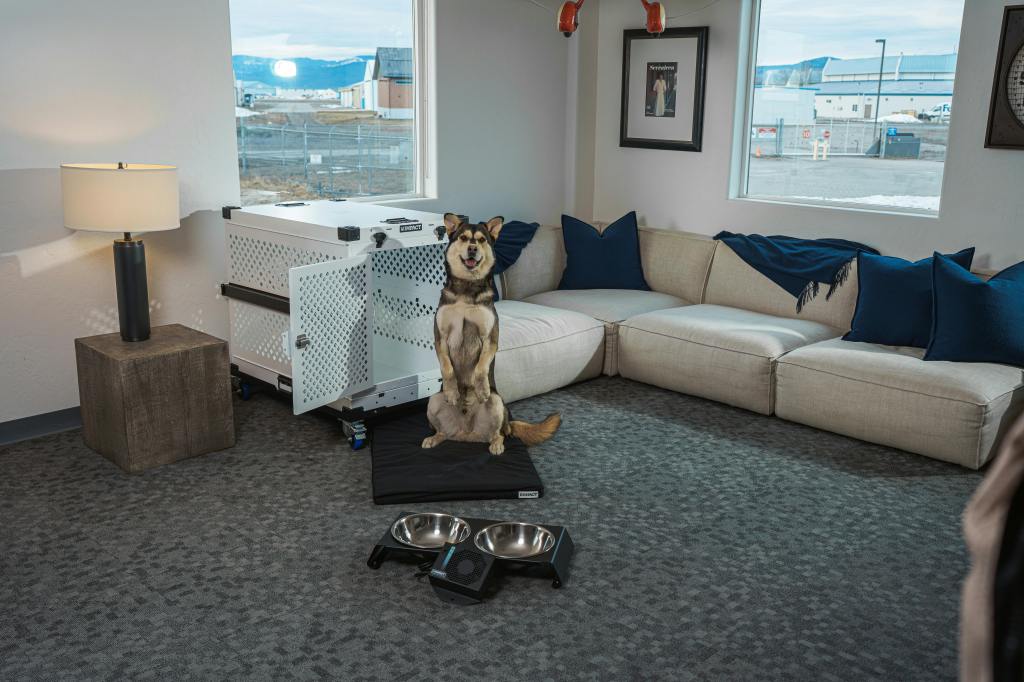
Crate training can be a game-changer when it comes to creating a safe and structured environment for your dog. However, not every dog takes to crate training right away. Some dogs may resist entering the crate, whine when confined, or exhibit signs of stress and anxiety. While this can be frustrating, it’s important to remember that resistance is often a result of fear, uncertainty, or previous negative experiences.
The good news is that with the right approach, you can help your dog feel more comfortable and willing to use the crate. In this article, we’ll explore effective strategies to overcome resistance and make crate training a positive experience for both you and your dog.
Why Do Dogs Resist Crate Training?
Dogs resist crate training for several reasons, including:
- Fear of Confinement: Some dogs feel trapped and panic when confined.
- Negative Associations: If the crate was previously used as a punishment, your dog might feel anxious about entering.
- Separation Anxiety: Dogs that struggle with being left alone may find the crate particularly distressing.
- Lack of Positive Reinforcement: If the crate isn’t associated with rewards or comfort, your dog may avoid it.
- Unfamiliarity: New environments and objects can make some dogs wary of the crate.
According to the American Veterinary Medical Association (AVMA), crate training should be approached gradually and positively to reduce stress and build trust (source: AVMA).
Step 1: Make the Crate a Positive Space
The first and most important step to overcome resistance is to transform the crate into a space your dog loves. Instead of viewing it as a place of confinement, your dog should see it as a comfortable and rewarding retreat.
How to Make the Crate Inviting:
- Soft Bedding: Add a plush mat or blanket to make it cozy.
- Favorite Toys: Place a chew toy or puzzle feeder inside to encourage calm behavior.
- Treat Trails: Leave a trail of treats leading into the crate to spark curiosity.
- Calming Scents: Use a pheromone spray or place a familiar blanket inside to create a sense of safety.
Pro Tip:
Leave the crate door open and let your dog explore at their own pace. Don’t rush or force them inside. The goal is to build voluntary interest and curiosity.
Step 2: Use Positive Reinforcement Techniques
Positive reinforcement is the cornerstone of successful crate training. Rewarding your dog for showing interest in the crate helps build positive associations.
Training Technique: Lure and Reward
- Start with the Door Open: Allow your dog to enter and exit freely.
- Lure with Treats: Toss treats or a favorite toy into the crate while saying a cue like “Crate” or “Kennel.”
- Praise and Reward: As soon as your dog steps inside, praise warmly and give another treat.
- Repeat Daily: Practice several times a day to reinforce the behavior.
Why It Works:
Positive reinforcement teaches your dog that going into the crate is a good thing, making them more willing to enter voluntarily.
Step 3: Practice Gradual Desensitization
If your dog has an intense fear of the crate, it’s essential to desensitize them slowly. Gradual exposure helps reduce anxiety and builds tolerance over time.
Desensitization Steps:
- Introduce the Crate from a Distance: Sit near the crate with your dog and offer treats just for being nearby.
- Reward Approaches: Praise and treat every time your dog sniffs or investigates the crate.
- Partial Entry: Once your dog is comfortable approaching, encourage just the front paws inside. Reward every small step.
- Full Entry: After several successful partial entries, reward full body entry with extra praise and treats.
Duration Building:
As your dog becomes more comfortable, increase the time spent inside while keeping the door open. Once your dog is consistently entering, begin briefly closing the door before opening it again and rewarding calm behavior.
Step 4: Make Crate Time Routine
Routine helps dogs feel secure and know what to expect. Consistency in how and when you use the crate will make your dog feel more comfortable.
Building a Routine:
- Mealtime Crate Use: Feed your dog inside the crate to build a positive association.
- Short Daily Sessions: Practice crate time during calm parts of the day, not just when leaving the house.
- Nighttime Routine: Use the crate as a sleeping space, signaling that it’s a place for rest and comfort.
Step 5: Address Anxiety and Stress
If your dog shows signs of anxiety—such as whining, barking, or scratching—it’s crucial to handle it without reinforcing negative behaviors.
How to Manage Anxiety:
- Stay Calm: Your dog will sense your mood, so remain collected and composed.
- Ignore Whining: Don’t release your dog when they’re vocalizing. Instead, wait for a moment of calm before opening the door.
- Use Calming Tools: Try a calming spray or sound machine to create a soothing environment.
Why It Works:
Teaching your dog that calm behavior gets rewarded helps reduce anxiety and makes crate time more manageable.
Step 6: Gradually Increase Alone Time
Once your dog is comfortable in the crate with the door closed, start practicing being out of sight.
Alone Time Training:
- Short Departures: Step out of the room for just a minute before returning calmly.
- Increase Duration Gradually: Build up to longer periods as your dog becomes more relaxed.
- Avoid Big Hellos: When returning, greet your dog calmly to prevent excitement or anxiety spikes.
Common Mistakes to Avoid
1. Forcing Your Dog Inside
Never push or shove your dog into the crate. This creates fear and resistance, making training harder.
2. Using the Crate as Punishment
Dogs should never associate the crate with negative experiences. Using it as a punishment makes your dog fearful and anxious.
3. Leaving Your Dog Too Long
Prolonged crate time can increase anxiety and lead to negative associations. Puppies should not be crated for more than a few hours at a time, while adult dogs can handle longer durations.
Signs of Crate Training Success
You’ll know your dog has overcome resistance when they:
- Enter the Crate Willingly: No hesitation or avoidance.
- Remain Calm Inside: Minimal whining, barking, or scratching.
- Use the Crate Voluntarily: Your dog chooses the crate as a resting place, even without prompting.
According to the American Kennel Club (AKC), successful crate training results in dogs feeling secure and comfortable in their space, reducing stress and promoting good behavior (source: AKC).
Final Thoughts: The Right Crate Makes a Difference
Choosing a high-quality, durable crate like Impact Dog Crates ensures your dog feels safe and secure. These crates are designed to withstand even the most determined dogs, providing a reliable and comforting environment.With patience, consistency, and positive reinforcement, your dog will learn to embrace the crate as a safe haven. Building a positive relationship with the crate not only improves your dog’s comfort and confidence but also makes daily routines more manageable and stress-free.
 Top Dog Training Tips
Leave a comment