
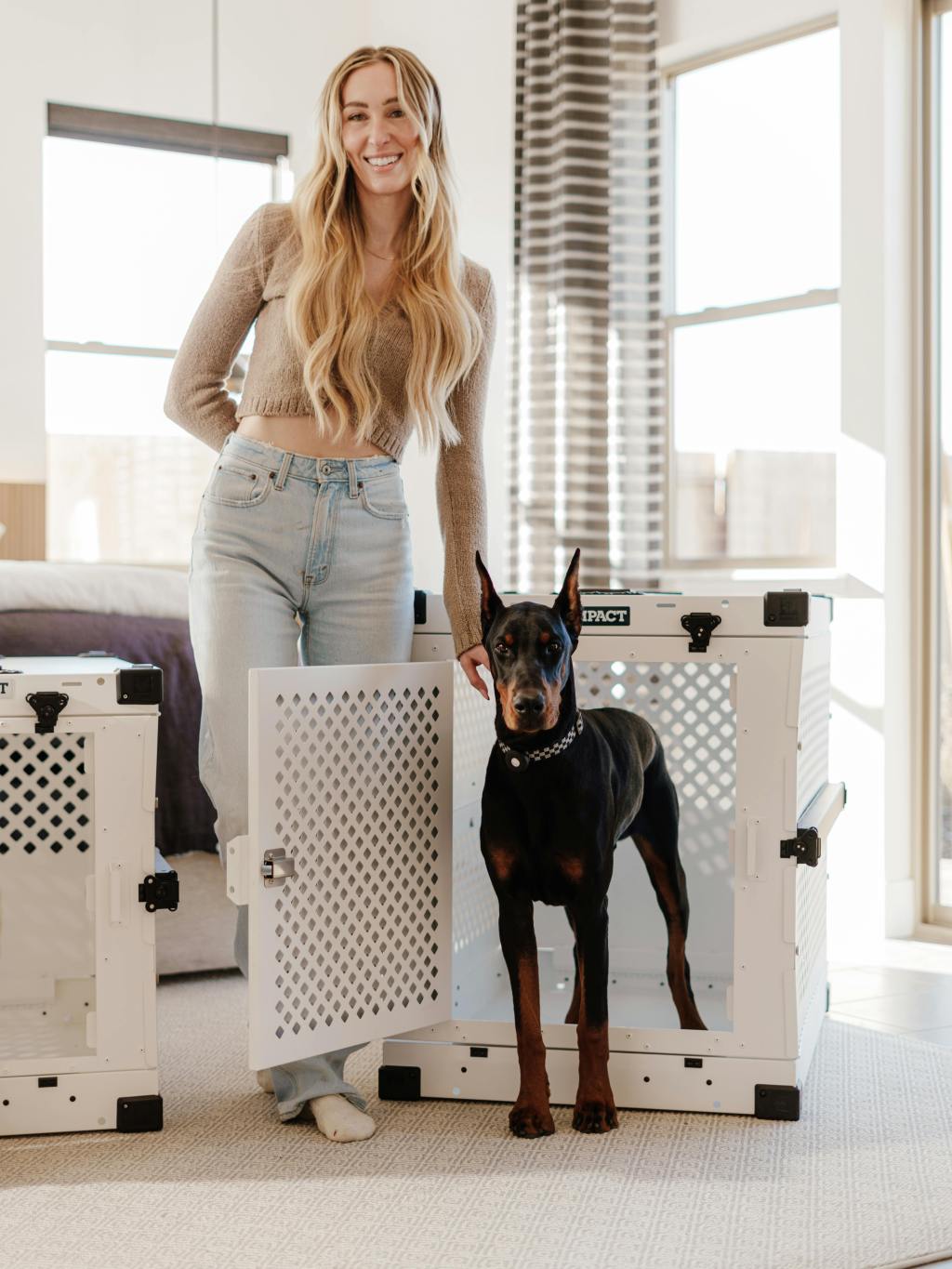
Bringing a new dog into your home is an exciting journey, but it can also come with its challenges—especially when it comes to training. One of the most valuable tools in your training arsenal is crate training. It’s not just about containment; it’s about creating a safe, comfortable space that your dog can call their own.
If you’re a new dog owner, this guide will walk you through the process step by step, helping you set your dog up for success from day one.
Why Crate Training Matters
Crate training offers numerous benefits for both you and your dog. It helps with housebreaking, reduces anxiety, and provides a secure space when you’re not around. Dogs naturally seek out small, enclosed areas as a form of comfort and security. By using a crate, you’re catering to this natural instinct.
According to the American Kennel Club (AKC), crate training also helps prevent destructive behaviors and makes travel safer and more manageable. It’s a versatile training method that fosters good habits and a positive routine.
Step 1: Choosing the Right Crate
The first step in successful crate training is picking the right crate for your dog. Not all crates are the same, and your choice can significantly impact your dog’s comfort and security.
Types of Crates:
- Wire Crates: Great ventilation and visibility, often collapsible for storage.
- Plastic Crates: More enclosed, ideal for travel and creating a den-like feel.
- Heavy-Duty Crates: Durable and escape-proof, perfect for strong or anxious dogs.
Heavy-duty options like those from Impact Dog Crates are particularly good for dogs prone to chewing or escaping. They provide reliable containment without sacrificing comfort.
Sizing the Crate:
Your dog should be able to stand up, turn around, and lie down comfortably inside the crate. Choosing the right size ensures your dog feels secure without being cramped.
Step 2: Setting Up the Crate
Once you’ve selected the crate, it’s time to make it welcoming. The goal is to create a space your dog will enjoy spending time in.
What to Include:
- Bedding: Use soft, washable bedding to create a cozy spot.
- Toys: Chew toys or a favorite stuffed animal can make it more inviting.
- Scented Items: A piece of your clothing can help reduce anxiety by adding a familiar scent.
Place the crate in a quiet, low-traffic area where your dog can still see and hear you. This location helps them feel included while also having a designated spot to relax.
Step 3: Introducing Your Dog to the Crate
Introducing the crate should be a positive experience from the start. Use treats and praise to encourage your dog to explore the space.
How to Do It:
- Leave the Door Open: Let your dog come and go freely at first.
- Use Treats and Praise: Reward your dog for going inside the crate voluntarily.
- Feed Meals Inside: Gradually move your dog’s meals into the crate to build a positive association.
Never force your dog inside or close the door abruptly. Building trust takes time, and rushing can lead to crate aversion.
Step 4: Gradual Training Sessions
Start with short training sessions, allowing your dog to spend just a few minutes inside with the door closed. Stay nearby and offer reassuring words. Gradually increase the time as your dog becomes more comfortable.
Training Tips:
- Stay Calm and Positive: Your dog will pick up on your energy, so keep a relaxed demeanor.
- Practice During Calm Times: Avoid using the crate during stressful moments, like right after a bath or vet visit.
- Be Consistent: Make crate time a regular part of your dog’s routine.
Step 5: Crate Training for Different Situations
Housebreaking:
Crates are invaluable for house training since dogs instinctively avoid soiling their sleeping area. Establish a routine of taking your dog outside immediately after crate time to reinforce proper bathroom habits.
Alone Time:
Gradually work on leaving your dog alone in the crate for short periods. Start by stepping out of the room and returning promptly. Over time, increase the duration to build independence.
Nighttime Routine:
For young puppies, it’s common to keep the crate in your bedroom initially. This setup offers comfort and reassurance during the night. Once your dog is comfortable, you can move the crate to a more permanent spot.
Common Mistakes to Avoid
- Using the Crate as Punishment: This will create negative associations and make your dog fearful of the crate.
- Leaving Your Dog in the Crate Too Long: Prolonged confinement can lead to anxiety and restlessness.
- Skipping the Training Process: Don’t expect your dog to love the crate right away. Be patient and consistent.
Long-Term Benefits of Crate Training
A well-crated dog is typically more well-adjusted and less prone to destructive behavior. Crate training also makes travel and vet visits less stressful since your dog is already accustomed to being crated.
Research from the National Library of Medicine (NIH) shows that dogs with established crate routines have lower stress levels, making it a valuable tool for long-term well-being.
Final Thoughts
Crate training is one of the most effective ways to establish good behavior and maintain a stress-free home environment. With patience, consistency, and positive reinforcement, your dog will come to view the crate as a safe and comforting space.Investing in a high-quality, durable crate from Impact Dog Crates ensures your dog’s safety and comfort throughout the training process. Start crate training today and build a secure, happy environment for your new best friend!
 Top Dog Training Tips
Leave a comment