
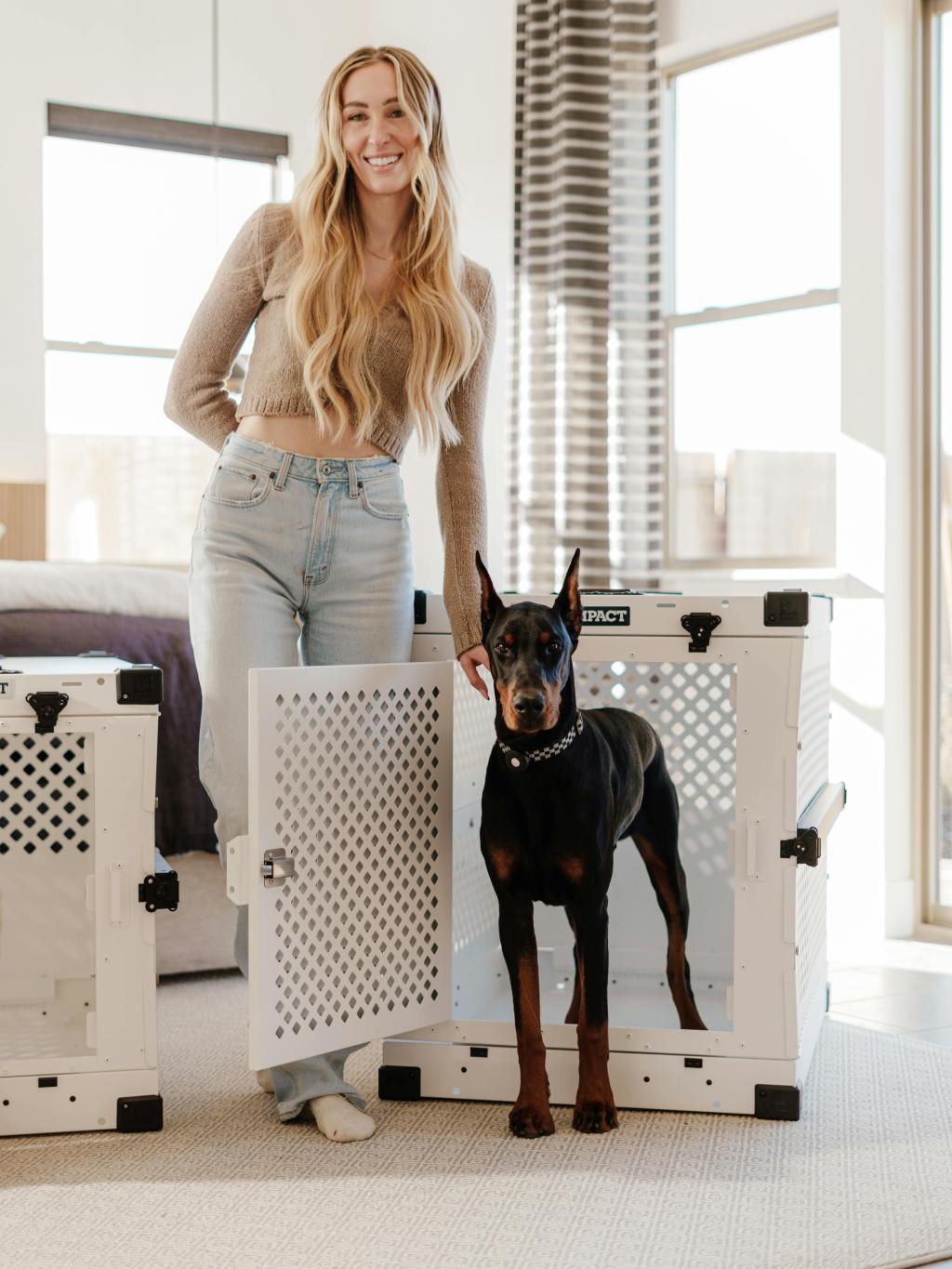
House training a new dog can feel like a daunting task, especially if you’re dealing with stubborn puppies or rescue dogs with bad habits. However, using a high-quality crate like those from Impact Dog Crates can make the entire process quicker and significantly less stressful. Not only do these crates provide a safe and secure space, but they also play a crucial role in reinforcing positive behaviors and promoting routine.
Let’s explore why Impact Dog Crates are the ultimate tool for efficient and stress-free house training.
The Role of Crate Training in Housebreaking
Crate training is one of the most effective methods for house training dogs because it taps into their natural instincts. Dogs naturally avoid soiling their sleeping area, so a crate that’s just the right size encourages them to hold their bladder until they’re let out.
According to the American Kennel Club (AKC), crate training also helps establish a routine and provides structure, which is essential when teaching a dog where and when to go potty.
Why Impact Dog Crates Are Ideal for House Training
Not all crates are created equal, and choosing the right one can make or break your training efforts. Impact Dog Crates stand out from the rest due to their unique features designed with both safety and comfort in mind.
1. Durable and Escape-Proof
Impact Dog Crates are built tough, designed to withstand even the most determined escape attempts. This means you won’t come home to a mess because your pup managed to break free. The robust construction ensures that your dog remains safely contained while you establish a reliable house training routine.
2. Perfectly Sized for Success
Sizing is crucial when it comes to crate training. A crate that’s too big allows room for accidents, while one that’s too small causes discomfort. Impact Dog Crates come in a variety of sizes, making it easy to find the perfect fit.
When a crate is just the right size, it naturally discourages dogs from eliminating inside since they don’t want to sleep near their mess. This intuitive design promotes faster potty training and helps establish good habits from the start.
3. Ventilation and Comfort
Proper airflow is essential to keep your dog comfortable while crated. Impact Dog Crates are designed with ample ventilation, ensuring your pup stays cool and calm. Plus, adding a soft, washable bed inside makes the space even more inviting, encouraging your dog to relax rather than stress out.
Step-by-Step Guide to House Training with Impact Dog Crates
Follow these simple steps to make house training with an Impact Dog Crate both effective and efficient:
Step 1: Introduce the Crate Positively
Make the crate a happy place from day one. Place treats and favorite toys inside to encourage exploration. Allow your dog to enter and exit freely without pressure.
Step 2: Establish a Routine
Routine is essential for house training. Take your dog outside to potty as soon as they come out of the crate—especially after meals, naps, or play sessions. Consistency helps them learn that going outside is the expectation.
Step 3: Gradually Increase Crate Time
Start with short intervals and gradually extend the time as your dog becomes more comfortable. Use the crate for naps and quiet time to reinforce that it’s a safe, cozy space.
Step 4: Monitor and Reward
Keep a close eye on your dog when they’re out of the crate. If you notice signs that they need to go, guide them outside immediately. Praise and reward them every time they eliminate outdoors to reinforce the positive behavior.
Step 5: Clean Accidents Properly
If an accident does happen in the crate, clean it thoroughly with an enzymatic cleaner to eliminate odors. Lingering smells can encourage repeat accidents.
Overcoming House Training Challenges
While Impact Dog Crates make house training easier, it’s still important to be patient and consistent. Here are a few common challenges and how to address them:
1. Whining or Barking in the Crate
If your dog whines or barks, it might be a sign of discomfort or anxiety. Make sure the crate isn’t too small or too isolated from the family. Gradually increase crate time to build confidence.
2. Accidents in the Crate
If your dog continues to eliminate inside the crate, it could be due to an oversized crate or a lack of routine. Consider using a divider to reduce the space or tightening your potty schedule.
3. Reluctance to Enter the Crate
Make the crate more appealing by using high-value treats and interactive toys. Never force your dog inside, as that can create negative associations.
The Long-Term Benefits of Crate Training
House training is just the beginning. A well-crated dog is generally calmer, more confident, and less prone to destructive behavior. Whether you’re at home or traveling, a dog that’s comfortable in their crate feels secure and relaxed.
Research from the National Library of Medicine (NIH) highlights that consistent, structured environments significantly reduce anxiety in dogs, making crate training an invaluable practice for long-term well-being.
Final Thoughts: Invest in Quality Crate Training
House training doesn’t have to be a frustrating process. With the right approach and the right tools, like an Impact Dog Crate, you can set your dog up for success from the start. These durable, well-ventilated crates are designed to keep your pup safe and comfortable while reinforcing positive behavior.Ready to make house training easier and faster? Discover the unbeatable quality of Impact Dog Crates and give your dog the best possible start on their training journey. You’ll be amazed at how quickly they adapt and thrive!
 Top Dog Training Tips
Leave a comment