
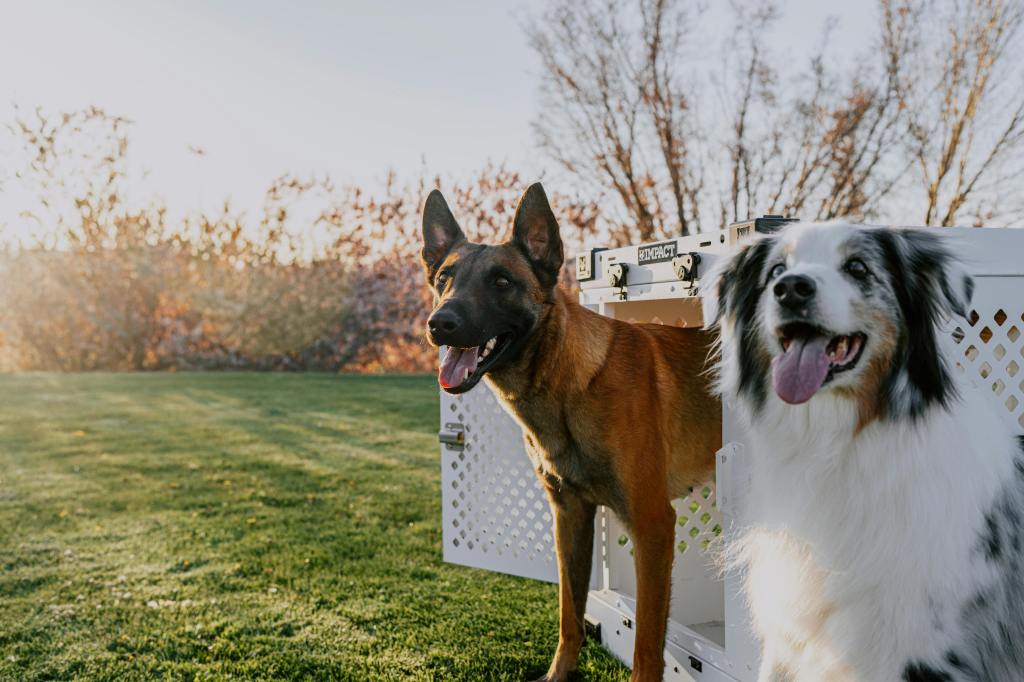
Crate training is one of the most valuable skills you can teach your dog, whether they’re a playful puppy or a seasoned adult. While some may view crates as restrictive, they actually offer a safe, secure space where your dog can relax and feel at ease. When introduced properly, a crate becomes your dog’s personal sanctuary, helping to manage behavior, reduce anxiety, and promote a sense of routine.
In this article, we’ll dive into why crate training is essential for both puppies and adult dogs and how it can make life easier for you and your furry friend.
Why Crate Training Works
Crate training taps into a dog’s natural instinct to seek out small, enclosed spaces for comfort and security. Dogs are den animals by nature, and when a crate is used correctly, it mimics that instinctive behavior.
According to the American Kennel Club (AKC), crate training not only helps with housebreaking but also fosters a sense of safety and stability. Whether you’re raising a puppy or adopting an adult dog, crate training lays the groundwork for a well-behaved and confident companion.
The Benefits of Crate Training for Puppies
Puppies thrive on routine and structure, making crate training an essential part of their development. Here’s how it benefits them:
1. Housebreaking Made Easy
One of the primary reasons new puppy owners choose crate training is for housebreaking. Dogs naturally avoid soiling their sleeping area, so a crate encourages your puppy to hold their bladder until it’s time to go outside.
2. Establishing Boundaries
Puppies are naturally curious and prone to getting into mischief. A crate helps keep them safe when you can’t supervise them directly. Whether it’s chewing on cords or getting into the trash, a crate minimizes the risk of accidents and injuries.
3. Reducing Separation Anxiety
Introducing a crate early on helps puppies learn to be alone without feeling abandoned. This skill is crucial for preventing separation anxiety as they grow older.
4. Creating a Routine
Routine is crucial for puppies, and crate training helps establish predictable patterns. Regular crate time followed by outdoor breaks creates a sense of order and security.
The Benefits of Crate Training for Adult Dogs
Many people think crate training is just for puppies, but adult dogs can benefit just as much. Whether you’ve adopted a rescue or are helping your dog adjust to a new environment, crate training offers several advantages:
1. Reinforcing Positive Behavior
Adult dogs with behavioral issues, such as chewing or digging, can benefit from crate training. By creating a safe, confined space, you reduce the chances of destructive behavior when you’re not around.
2. Managing Anxiety
Many adult dogs struggle with anxiety, especially in unfamiliar situations. A crate offers a consistent, secure environment where they can retreat and feel safe. Using a high-quality crate like those from Impact Dog Crates ensures durability and comfort, even for the most anxious pets.
3. Easing Transitions
Whether you’re moving to a new home or introducing your dog to new family members, crate training helps your dog feel grounded amid change. Having a familiar crate during transitions provides a sense of stability.
4. Travel and Safety
Crate training makes traveling safer and more comfortable. Whether by car or plane, a crate prevents your dog from roaming or getting into trouble during the journey. It also helps your dog feel secure in new environments.
How to Start Crate Training
No matter the age of your dog, crate training follows the same basic principles:
1. Choose the Right Crate
Selecting the right crate size is crucial. Your dog should be able to stand up, turn around, and lie down comfortably. Impact Dog Crates offer durable, escape-proof designs that suit dogs of all sizes.
2. Introduce the Crate Gradually
Never force your dog into the crate. Instead, leave the door open and let them explore at their own pace. Use treats and praise to encourage them to step inside.
3. Make It Comfortable
Add soft bedding and a favorite toy to create a cozy atmosphere. You can also place a blanket over part of the crate to create a den-like feel.
4. Practice Short Sessions
Start with brief intervals, leaving the door open at first. Gradually increase the time your dog spends inside, always rewarding calm behavior with treats or praise.
Common Crate Training Mistakes to Avoid
Crate training works best when done correctly. Avoid these common pitfalls:
- Using the Crate as Punishment: Your dog should see the crate as a safe space, not a consequence for bad behavior.
- Rushing the Process: Building positive associations takes time, so don’t push your dog to stay crated too long at first.
- Leaving Your Dog Crated Too Long: Extended confinement can lead to anxiety and restlessness. Give your dog plenty of breaks and exercise.
How Impact Dog Crates Make a Difference
Investing in a durable, reliable crate makes training significantly more effective. Impact Dog Crates are designed to withstand the most determined escape artists, providing peace of mind and safety. With features like reinforced construction and excellent ventilation, these crates are perfect for both puppies and adult dogs.
When your dog feels secure and comfortable in a high-quality crate, they’re more likely to view it as a positive space. This association makes training smoother and helps establish lifelong good habits.
Final Thoughts: A Happy, Well-Adjusted Dog
Crate training is not just a training method—it’s an investment in your dog’s well-being and happiness. Whether you’re raising a puppy or working with an adult dog, crate training fosters security, builds confidence, and minimizes behavioral issues.Ready to get started? Choose a reliable, escape-proof crate from Impact Dog Crates and set your dog up for success from day one. With the right approach and quality equipment, you’ll create a calm, happy environment where your dog thrives!
 Top Dog Training Tips
Leave a comment